
Introduction
When it comes to maintaining a clean and clear swimming pool, choosing the right filtration system is crucial. Two of the most popular options for pool owners are sand filters and cartridge filters. But which one is truly the best for your pool? In this article, we’ll compare sand and cartridge filtration systems in terms of water cleanliness, cost-efficiency, and compatibility with different pool types.
A pool filter is essential for removing debris, dirt, and contaminants from your pool water, ensuring a safe and enjoyable swimming experience. Sand filters, known for their durability and simplicity, use sand as a medium to trap particles. They are typically favoured for their low maintenance and longer lifespan. On the other hand, cartridge filters provide finer filtration and are praised for their easy setup and minimal backwashing requirements. But how do these two stack up when it comes to performance and ongoing costs?
In the sections that follow, we’ll explore the pros and cons of sand and cartridge filters, helping you understand which is better suited for your pool needs. Do you want a filter that requires less maintenance but may need occasional backwashing? Or is a finer filtration system a priority for you, despite slightly higher operational costs?
By the end of this article, you’ll have a clear understanding of which filtration system is best for your pool, ensuring that you can make an informed decision on the right filter to keep your pool sparkling clean year-round. Whether you’re upgrading your current system or installing one for the first time, this guide will help you weigh your options and choose the filtration system that works best for you.
What is the purpose of a pool filter?
The purpose of a pool filter is to keep your pool water clean, clear, and safe by removing dirt, debris, and contaminants. It works by circulating water through a filtration system, trapping particles like leaves, sand, and algae that can compromise water quality. Regular filtration helps maintain proper water chemistry, reducing the need for excessive chemicals. A well-functioning filter ensures efficient water circulation, preventing stagnant areas where bacteria can grow. Whether using a sand, cartridge, or DE filter, a pool filter is essential for maintaining a healthy, pleasant swimming environment and prolonging the life of your pool equipment.
What Is a sand filter?
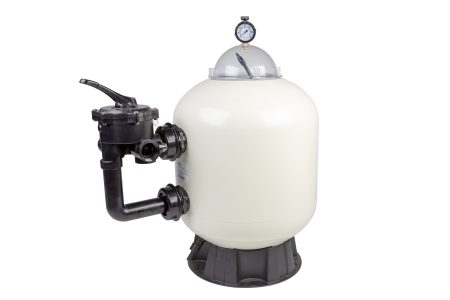
A sand pool filter is a popular and efficient filtration system designed to keep your pool water clean and clear. Using a bed of specially graded sand as the filtering medium, this system works by trapping dirt, debris, and other particles as the water flows through the sand. Sand filters are known for their simplicity, durability, and low maintenance requirements, making them a top choice for pool owners. Ideal for larger pools, sand filters offer reliable performance with minimal effort, requiring only occasional backwashing to remove trapped debris. This easy-to-use filtration option ensures that your pool remains free of contaminants while maintaining optimal water quality.
Pros of a Sand Pool Filter
Easy Maintenance – Sand pool filters are simple to maintain. Regular backwashing of the pool is usually sufficient to clean the pool filter sand, flushing out debris and restoring the filter’s performance.
Cost-Effective – A sand pool filter is relatively inexpensive, and the filter itself tends to have a lower initial cost compared to other types of pool filtration systems.
Durable – Sand filters lasts for 3-5 years before needing replacement, making it a long-lasting option for pool filtration.
Efficient for Larger Pools – Sand pool filters are great for larger swimming pools and can handle high water volumes with ease.
Low Operating Costs – Once installed, a sand pool filter is inexpensive to run, as it requires minimal power and infrequent maintenance.
Cons of a Sand Pool Filter
Less Fine Filtration – While effective at removing larger particles, sand pool filters may not capture very fine debris as efficiently as cartridge or DE filters.
Requires Frequent Backwashing – To maintain optimal filtration, you need to backwash your swimming pool regularly, which can waste water.
May Clog Over Time – The pool filtration sand can become clogged with oils and fine debris, reducing its effectiveness, and requiring occasional replacement.
Limited Particle Removal – Sand filters may struggle with fine particles like algae or very small dirt, which can affect water clarity.
Products For Sand Filters
To maintain your sand pool filter and ensure optimal performance, it’s important to use the right products that help extend the life of your system and keep your pool water clean and clear. Below are some key products that are essential for maintaining a sand pool filter:
Clarke Rubber Pool Filter Sand – For efficient pool filtration, using high-quality pool filter sand like Clarke Rubber pool filter sand is crucial. This sand is specifically designed to trap debris and contaminants effectively, ensuring clean water and preventing clogging of the filter.
Filter Sand 15kg Bunnings – If your sand pool filter needs a sand refill or replacement, Filter Sand 15kg Bunnings offers a convenient and reliable option. This sand is perfect for use in sand filters, providing excellent filtration and keeping your sand pool free of debris. Make sure to follow the manufacturer’s guidelines for sand replacement to maintain proper filtration.
Pool Filter Sand – Regularly replenishing the pool filter sand in your sand filter ensures the system runs efficiently. Over time, the sand can wear down, becoming less effective at trapping particles. Use sand filter sand designed for pool filters to maintain peak performance.
Backwash Pool Hose – After using your sand swimming pool filter, you’ll need to backwash pool regularly. A backwash swimming pool hose allows you to direct dirty water away from your pool while flushing debris from the filter. Regular backwashing ensures your pool filter sand stays clean and maintains optimal filtration.
Swimming Pool Sand Filter Cleaner – Over time, sand filters can accumulate oils and fine particles that clog the sand. Using a pool filtration cleaner designed for sand filters will help break down these contaminants, restoring the filter’s efficiency and preventing clogging.
By using these products, you can ensure your sand pool filter continues to operate at peak efficiency, keeping your pool water crystal clear and clean throughout the swimming season. Regular maintenance with the right products, including Clarke Rubber pool filter sand and filter sand 15kg Bunnings, will help you enjoy a well-maintained swimming pool with minimal effort.
What Is a cartridge filter?
A cartridge filter is a highly effective and low-maintenance pool filtration system that uses a replaceable cartridge to trap dirt, debris, and contaminants from your pool water. Unlike traditional sand filters, which use sand as a filtration medium, cartridge filters rely on a pleated fabric material that provides finer filtration for cleaner water. Ideal for both in-ground and above-ground pools, cartridge filters are known for their ease of use and efficiency. They require less frequent backwashing, which helps conserve water and reduces maintenance time. If you’re looking for a reliable and eco-friendly pool filtration option, a swimming pool cartridge filter offers a great balance of performance and convenience.
Pros of a Cartridge Pool Filter:
Fine Filtration – Cartridge pool filters are known for their ability to trap smaller particles compared to other filtration systems, providing cleaner water with better filtration efficiency. This results in a clearer pool with fewer chemicals needed.
Low Maintenance – Compared to sand filters, cartridge filter cleaning is relatively simple. You don’t need to backwash the filter, which saves water. Periodic cleaning of the pool filter cartridge is sufficient to maintain optimal performance.
Longer Lifespan – Swimming pool filter cartridges typically last longer than other filter media. With proper care, a high-quality replacement cartridge filter can last up to 3-5 years, reducing the frequency of replacements.
Water Conservation – Since there’s no need for backwashing, a cartridge pool filter uses less water, making it an eco-friendly and cost-effective option for pool owners.
Easy Installation and Use – Pool filters with cartridge systems are simple to install and require minimal effort to operate. Their user-friendly design makes them an excellent choice for both beginners and experienced pool owners.
Cons of a Cartridge Pool Filter:
Frequent Cleaning – While they don’t require backwashing, pool filter cartridge cleaning is still necessary every 4-6 weeks, depending on pool usage. Dirty cartridges may clog, reducing filtration efficiency.
Limited Particle Removal – While cartridge filters do a good job of capturing smaller particles, they might not be as effective as DE filters for extremely fine debris or algae, requiring occasional chemical treatments.
Higher Initial Cost – Cartridge pool filters can have a higher upfront cost compared to sand filters. However, this can be offset by the reduced need for water usage and backwashing.
Replacement Costs – Although the cartridges last a long time, replacing the pool filter cartridge can be costly over time, especially if you have a large pool.
Space Requirements – Some cartridge pool filters can be bulky and require adequate space for installation, which may not be ideal for smaller pool setups.
In summary, a cartridge pool filter is a highly efficient and eco-friendly option for pool filtration. While it requires regular cleaning and occasional cartridge replacement, it provides excellent water clarity and requires less water for maintenance than sand filters. Choosing the right swimming pool filter cartridges and performing regular maintenance ensures your cartridge filter continues to perform at its best.
Products For Cartridge Filters
To keep your pool filtration system running smoothly and efficiently, it’s essential to use the right products for regular maintenance. Here are some key items you’ll need to maintain your sand pool filter and ensure your pool stays clean and clear:
Replacement Cartridge Filter – If you use a hybrid filtration system that combines sand and cartridge filtration, it’s important to replace your pool filter cartridge when it shows signs of wear. Over time, cartridges can become clogged with debris and oils, reducing filtration efficiency. Choosing the right replacement cartridge filter ensures proper water flow and maintains high filtration standards.
Pool Filter Cleaner – For maintaining your sand filter and any additional cartridges, a high-quality pool filter cleaner is essential. It helps remove oils, minerals, and debris from the sand and filter cartridges, ensuring maximum efficiency and prolonging the life of your filtration system.
Backwash Pool Hose – If you have a sand pool filter, a backwash pool hose is crucial for cleaning. This hose directs the dirty water away from the pool during the backwashing process, allowing you to remove debris from the sand filter and keep the system running efficiently.
Pool Filtration Sand – If your sand filter requires a sand replacement, always use pool filtration sand designed specifically for pool filters. It helps trap dirt and debris effectively, ensuring clear water and preventing clogging.
Swimming Pool Filter Cartridges – For systems that incorporate swimming pool filter cartridges, make sure to replace them when they become worn or damaged. Regular cartridge filter cleaning and timely replacements ensure your pool filtration system remains efficient and your pool water stays sparkling clean.
By using these essential products, you can maintain your sand filter and any additional filtration components like pool filter cartridges. Regular maintenance will help keep your pool water clean, save on water and chemical costs, and ensure your pool filter system operates efficiently year-round.
How to identify if my pool is a sand or cartridge filter?
Identifying whether your pool uses a sand filter, or a cartridge filter is simple once you know what to look for. Sand filters typically have a large, round tank made of fiberglass or metal, with a multiport valve on top that allows you to control functions like filtering, backwashing, and rinsing. If your pool filter requires periodic backwashing to clean the sand, it is a sand pool filter.
On the other hand, a cartridge filter is usually smaller and cylindrical, and it does not have a multiport valve. Instead of backwashing, you will need to clean the pool filter cartridge by removing it and hosing it down or soaking it in a cleaning solution. Another way to differentiate is by checking the filter’s label or manual, which will specify the type of pool filtration system.
Understanding whether your pool uses a sand filter, or a cartridge filter will help with proper maintenance and ensure optimal filtration performance.
Which is more affordable Sand or Cartridge?
After comparing the cost of sand filters and cartridge filters, sand filters generally are more affordable both in terms of initial setup and ongoing maintenance. The cost of a sand pool filter is typically lower than that of a cartridge filter, making it a popular choice for budget-conscious pool owners. Additionally, pool filter sand is inexpensive and lasts several years, reducing the need for frequent replacements. In contrast, cartridge filters have a higher upfront cost, and the pool filter cartridge needs to be replaced every 1-3 years, depending on pool usage. Although cartridge filter cleaning is easy and doesn’t require backwashing, which saves water, the cost of replacing swimming pool filter cartridges can add up over time. Overall, sand filters are usually more affordable in the long run, especially for larger pools, while cartridge filters offer finer filtration but may incur higher maintenance and replacement costs.
Is Sand or Cartridge filters harder to maintain?
The maintenance of sand filters and cartridge filters, sand filters are generally easier to maintain but require more frequent backwashing. Sand filters typically need backwashing to clean the sand filter sand, a process that reverses the water flow to remove debris. While this is simple, it consumes water and requires occasional attention. On the other hand, cartridge filters do not require backwashing, but they need regular cartridge filter cleaning to remove dirt, oils, and debris. Cleaning a pool filter cartridge can be more time-consuming, as you need to remove and clean it by hand. Additionally, cartridge filters need to be replaced every 1-3 years, which can add to maintenance costs. In summary, while sand filters require more frequent backwash pool filter maintenance, cartridge filters demand regular cleaning and periodic cartridge replacements, making them slightly more labor-intensive in the long run.
Which will last longer Sand or Cartridge?
When it comes to maintenance, sand filters and cartridge filters each have their own requirements, but sand filters generally involve more frequent maintenance. Backflushing pool filter systems, such as backwash sand filters, require regular backwashing to clean the sand and remove trapped debris. This process can be time-consuming and wastewater, as it involves reversing the flow of water through the filter. In contrast, cartridge filters don’t require backflushing, but cartridge filter cleaning is necessary to ensure the system runs smoothly. You’ll need to remove the pool filter cartridge periodically, rinse it, and sometimes use a filter cartridge cleaner to break down oils and stubborn dirt. While cleaning a cartridge filter is generally less labour-intensive than backwashing a sand pool filter, the cartridge filter cleaning process must be done regularly, and replacing the filter cartridge can be costly over time. Overall, sand filters require more effort in terms of backwashing, but cartridge filters may need more frequent cleaning and cartridge replacements, making both systems manageable depending on the pool owner’s needs.
Does the Sand or Cartridge filter provide cleaner water?
Sand filters and cartridge filters both provide a water cleaning service; although cartridge filters generally offer superior filtration. Cartridge filters are designed to trap finer particles, including small dirt, debris, and even some algae, which makes them more efficient at producing cleaner, clearer water. This is because the pool filter cartridge is made from a pleated material that has a higher surface area and is capable of filtering out smaller particles compared to the coarser media used in sand filters. In contrast, while sand filters are effective at removing larger debris, they typically do not capture fine particles as efficiently. Although sand pool filters do a good job at general filtration, they often miss smaller particles, leading to water that may not be as crystal clear as that filtered by a cartridge filter.
Another factor to consider is the need for regular cartridge filter cleaning, which helps maintain the efficiency of the pool filtration system. While sand filters do require backwashing to clean the sand filter sand, this process may not restore the filter’s effectiveness to the same degree as a properly cleaned cartridge filter. In conclusion, if your primary concern is achieving the cleanest water possible, a cartridge filter is the better option for your pool.
Which is cheaper to run Sand or Cartridge filter?
When comparing the operational costs of sand filters and cartridge filters, sand filters are typically cheaper to run. Sand pool filters require less frequent maintenance, mainly needing backwashing to clean the sand filter sand, which reduces water usage and maintenance costs. In contrast, cartridge filters require regular cartridge filter cleaning and need pool filter cartridge replacements every 1-3 years, which can be costly over time. Although cartridge filters are more water-efficient, the higher cost of replacing swimming pool filter cartridges makes sand filters the more affordable option in the long run.
Can both sand or cartridge filters be used on all pools?
Both sand filters and cartridge filters can be used on most pools, but the best choice depends on your pool size, type, and filtration needs. Sand filters are highly versatile and commonly used on both in-ground and above-ground pools. They are particularly effective for larger pools due to their higher flow rates and lower maintenance requirements. On the other hand, cartridge filters can also be used on both types of pools, offering more precise filtration for smaller pools or those requiring fine water clarity. Cartridge filters are ideal for pools where frequent backwashing of a sand pool filter is less practical or desired. While both filters are adaptable, the choice depends on factors such as pool size, desired water quality, and maintenance preferences. Whether you opt for a sand filter or cartridge filter, both systems can provide excellent pool filtration, as long as they match your pool’s requirements.
Which is overall better Sand or Cartridge filter?
The overall better option between sand filters and cartridge filters depends on your specific pool needs, priorities, and budget. However, for most pool owners, sand filters tend to be the more practical and cost-effective choice for the following reasons:
Lower Operating Costs: Sand filters are generally more affordable to run. They don’t require frequent replacements like cartridge filters do. The sand filter sand lasts 3-5 years, and maintenance typically only involves backwashing the filter, which is a simple and low-cost task. In contrast, cartridge filters need regular cartridge filter cleaning, and the pool filter cartridge needs to be replaced every 1-3 years, which can add to ongoing expenses.
Ease of Maintenance: Sand filters are relatively easy to maintain. Backwashing is a straightforward process that doesn’t require removing or cleaning components like the cartridge filter does. While cartridge filters provide finer filtration, they require more regular attention to keep the pool filter cartridge clean, which can be labour-intensive and time-consuming.
Durability and Long-Term Cost-Effectiveness: While cartridge filters provide finer filtration and may improve water clarity, the higher upfront cost and regular cartridge replacement make them more expensive in the long run. Sand filters, on the other hand, offer a durable, reliable filtration solution with minimal recurring costs, making them a better option for many pool owners, especially those with larger pools or those looking to minimize maintenance efforts.
Other pool cartridges
For inflatable pools, the most commonly used pool filters are cartridge filters and manual filters. These filters are specifically designed for smaller, less complex filtration needs. Here’s a breakdown of the most common types:
Cartridge Filters: Many inflatable pools use cartridge filters because they are easy to use, affordable, and efficient for smaller pools. These filters use a replaceable cartridge to trap dirt and debris. The cartridge can be easily cleaned or replaced as needed. They provide effective filtration without requiring complex setup or maintenance, making them ideal for inflatable pools.
Manual Filters: Some smaller inflatable pools, especially budget-friendly options, use basic manual filters or pump filters. These are often simpler filtration systems where the water is filtered through a basic pump and a disposable or reusable mesh filter. While not as powerful as a cartridge filter, they are sufficient for maintaining clean water in small pools.
Pump and Filter System: For larger inflatable pools, you may also find pump systems with integrated filtration, which may include either cartridge or sand filters. These systems circulate water through the filter to remove debris, providing a more robust filtration option for larger inflatable pools.
In conclusion, cartridge filters are the most commonly used and convenient choice for inflatable pools, as they offer efficient filtration with minimal maintenance. However, the filter type depends on the pool size and intended usage.
Pingback: Save Time and Energy: When to Run Your Pool Filter - Pool and Spa Group