
The dilemma about creating an exclusive leisure oasis in your backyard hinges generally around the question, Which is better, a swimming pool or a Spa? Each adds charm and value to any house. And weighing in between both, you get the feeling of entering waters you’ve never tried before. While you’re imagining a boring summer afternoon basking poolside or relaxed nights in a portable inflatable spa under the starlit sky, both formats promise relaxation and fun! Let this guide help you decide for you. So you can select the best for you according to your lifestyle. If you’re ready to make waves, then let’s find out in our next chapter!
- What is a swimming pool?
- What is a spa?
- Is a Spa easier to maintain than a pool?
- Which costs less to operate: a spa or a pool?
- Which is easier to install: pool or spa?
- Are the safety standards the same for a spa and a pool?
- Which is more family-friendly: pool or spa?
- Is a spa safer than a pool?
- Overall which has more benefits swimming pool or spa?
- Conclusion
What is a swimming pool?
A great backyard addition will be the swimming pool. It helps entertain and relax This indicates a built structure used to swim, dive, or simply cool off.
Swimming pools are, designed in different styles. In-ground swimming pools are supposed to be the most premium-looking and durable form of swimming pools, versus above-ground swimming pools, which happen to be easier and more budget-friendly to install. The cascade of plunge pools offers a refreshing solution for limited space.
Free-form pools are what to go for innovative design blending with the landscape. Inflatable pools meet family requirements through a short-term, no-obligation solution.
All pools entertain activities like water sports and basking in the sun. No matter the form, they also become a fusion point where families get together to build memories that last with proper maintenance, such as straightforward swimming pool maintenance techniques, and an aquatic oasis remains inviting throughout the year.
What is a spa?
A Place of relaxation and healing, spas are the main centers for hydrotherapy. They use warm water for their calming treatment of the body and mind. Spa structures can differ greatly.
These facilities can often be placed onto personal properties or day spas and provide all the amenities one might expect of a luxurious staycation or trip to one’s favorite retreat to vacation. Clear and backed up with jet massages designed to serve sore muscles, they create a comforting, relaxing, and invigorating experience.
A spa can cater specifically and personally to one’s health needs or fun preferences. Whether you are an above-ground spa seeker or a dynamic acrylic model lover, everyone can find something that fits the bill.
Spas impart a certain ambiance that enhances inherent characteristics— imagine very soft lighting and serene sounds that lull you out of daily life. It’s not just the soaking but an opportunity to relax and have that one-on-one moment with yourself in an essential aspect of any individual well-being routine.
Is a Spa easier to maintain than a pool?
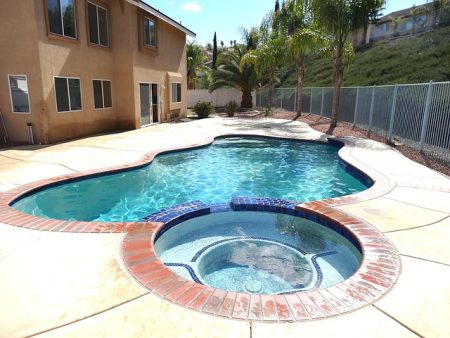
The larger volume of water in pools would demand daily vigorous cleaning and chemical balance maintenance. With spas, the maintenance responsibility is minor.
Meanwhile, the built-in filtration systems often require less frequent provider calls due to their size but still need regular attention so they function well.
However, they have distinctly different patterns of usage. Typically, spas gather user debris more quickly since they are only used in small time bursts mostly at higher temperatures, which could lend themselves to supporting algae growth if not in check.
Practically, your day-to-day habits are going to determine what would be better for you. If you enjoy spending leisure time swimming on your own or having a group of people over every once in a while, then an easy-to-maintain pool may be worth the effort!
Which costs less to operate: a spa or a pool?
When it comes to running costs, pools, and spas are different. A traditional pool uses more water and electricity for filtration and heat. The size of the pool determines these costs.
A spa uses less water and energy because it’s smaller. It also heats up better than a larger body of water.
However ongoing maintenance costs can vary greatly between the two. Pools need regular chemical balancing with cheap pool chemicals to stay healthy, spas need specific spa maintenance practices that may include expensive supplies.
So, it comes down to how often you use it. If you use it often, a well-maintained spa will be cheaper in the long run than an in-ground or above-ground pool.
Which is easier to install: pool or spa?
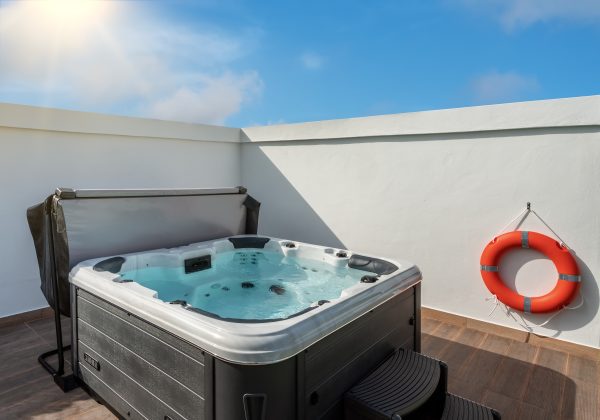
In terms of installation, spas are usually at an advantage. An average pool requires heavy excavation and landscaping, which makes the whole process lengthy and cumbersome.
By contrast, many spas are quick set-up affairs. Above-ground versions may take just a few hours to get up and running, assuming little to no preparation of the site. An inflatable pool or portable spa can be ready in just minutes.
Those who opt for an in-ground spa find that while digging is necessary, it’s usually not as involved as it is when digging for a full-sized pool.
Besides, permits and inspections may be easier or possibly not required for smaller spa installations compared to larger family pools. This convenience makes them especially appealing for homeowners who want fewer hassles in setup.
Are the safety standards the same for a spa and a pool?
Do the spa and pool operate under the same safety? Or are there specifics on the safety standard of the spa and that of the pool which makes the two points unique to a degree? This is so as the safety requirement as per the legal requirement ensures that these amenities are good for use and usually differ in standards.
Swimming/In-ground and above-ground pools are subject to certain safety regulations that include the installation of a barrier, such as a fence, around the pool. These devices are especially important in preventing young children from gaining unsupervised access to a pool. Even the size and minimum depth of the pool are factors in the regulations set for safety.
Spas are however smaller and have fewer barriers required for such things as protection and safety. They do though have certain codes concerning electrical equipment and the quality of the water that must be met.
Supervision is another area: Both children and adults are not allowed to use the deck while unsupervised, however since a spa is usually a compact device, it should be easier to supervise. Homeowners should take the time to understand local codes and standards, such as those for inflatable pools or acrylic spas, to ensure that they do not push the legal limits of these relaxing havens.
Which is more family-friendly: pool or spa?
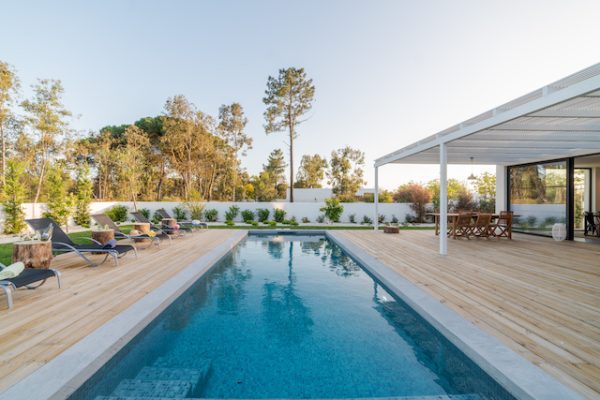
When it comes to family-friendly options, pools win. In-ground or above-ground pools have plenty of room for kids to play and swim. Multiple kids can be in the pool at once, perfect for family gatherings.
Spas are smaller and may not have enough room for everyone to enjoy together. While they are relaxing, kids will get bored quickly in a small space.
Plus most families want to do fun activities like diving or splash games that a pool can support. Shallow ends make it easier for younger swimmers to get in with supervision.
Hot tubs can be nice after a long day of being outside. Parents who to unwind while keeping an eye on their kids in the pool find this combo appealing. But overall engagement levels are higher with bigger aquatic spaces for active play.
Is a spa safer than a pool?
When it comes to safety, both pools and spas have their pros and cons. Spas are smaller and more contained so supervision is easier. Their small size means a more controlled environment.
However, the warm water in a spa can be dangerous if not monitored correctly. High temperatures can cause overheating or dehydration, for kids or people with certain health conditions.
Pools require more attention due to their size. Drowning is always a risk without proper supervision. Fencing and pool alarms are important but need to be maintained regularly to be effective.
Both offer relaxation benefits but have different safety challenges. Choose based on your family’s needs and lifestyle and safe use of either space.
Overall which has more benefits swimming pool or spa?
When it comes to pool vs spa benefits it’s all about your lifestyle and preferences. A pool has plenty of space for family fun and exercise. Whether in-ground or above-ground pool, everyone can splash around.
But a spa offers relaxation and therapeutic benefits that are hard to resist. With jets and warm water, it’s great for unwinding after a long day.
Plus pools are social spaces where gatherings can happen. Spas are intimate spaces for unwinding alone or with loved ones.
Think about your priorities—recreation or relaxation—as both have different benefits for different needs.
Conclusion
Ultimately it comes down to your lifestyle, preferences, and budget. If you have a big family or like to host parties an in-ground or above-ground pool might be for you. They have plenty of space to swim and play with family-friendly pool toys. But if relaxation is your thing then a spa might be the way to go for health benefits like stress reduction and improved circulation.
Consider the maintenance costs too; both require maintenance but some people find easy pool maintenance is achievable with the right products. Affordable pool chemicals can keep your water clean without breaking the bank. Spas have lower running costs because of their size but still require regular maintenance to stay safe and enjoyable.
Installation varies too—spas are quicker to set up than pools which may require excavation work if you’re going for an in-ground model.
Safety standards apply to both. Whatever you choose should comply with local regulations to make it safe for all users.
The choice between these two retreats comes down to how you see yourself using them—and what fits into your daily life. Whether it’s splashing around in the best pool or soaking away stress in an acrylic spa after a long day at work, either way, has its charm and functionality for you!