
Maintaining a swimming pool goes beyond skimming the leaves or vacuuming the surface—it requires careful chemical management to keep the water clean, safe, and inviting. To achieve the right balance, pool owners must regularly monitor and adjust various chemicals that help regulate water quality. These chemicals play vital roles in maintaining proper pH levels, preventing algae growth, sanitizing the water, and protecting pool surfaces and equipment from corrosion or scaling. Understanding which chemicals to use, their functions, and when to apply them is crucial for preserving a healthy and safe swimming environment.
In this article, we’ll explore the essential chemicals required for effective pool maintenance. You’ll learn about key chemicals such as chlorine, pH adjusters, alkalinity boosters, calcium hardness, cyanuric acid, and salt for saltwater pools. Each chemical serves a specific purpose, whether it’s sanitizing, balancing pH, stabilizing chlorine, or protecting surfaces from mineral buildup. We’ll also guide you on how to interpret pool water test results, helping you determine which chemicals are needed at any given time.
Additionally, we’ll cover when to use each chemical based on your pool’s test readings and offer tips on handling chemicals safely. Regular water testing is essential for maintaining proper water balance, preventing issues, and ensuring a healthy swimming environment. Whether you’re a new pool owner or an experienced one, this guide will equip you with the knowledge to keep your pool in top shape, ensuring clear, fresh water free of harmful bacteria, while also protecting your pool investment.
Understanding Pool Water Testing
Before diving into the specifics of pool chemicals, it’s crucial to understand the importance of regular pool water testing. Pool water testing helps determine the current levels of various chemicals, so you know which adjustments need to be made.
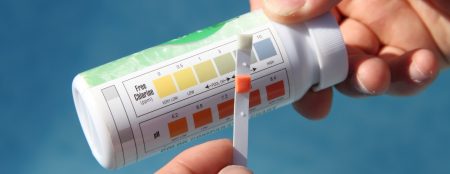
Always have a local pool shop professionally test your pool water before adding any chemicals. This helps ensure you use the right products in the correct amounts. You can also perform basic tests at home with a pool testing kit. Monitor the primary chemical components: pH, alkalinity, calcium hardness, chlorine, and cyanuric acid.
With a clear understanding of your pool’s chemistry, you can proceed with the appropriate chemical adjustments to keep the water clean and balanced.
Key Pool Chemicals and Their Functions
pH Levels
The pH level of your pool water determines how acidic or alkaline the water is. Ideally, the pH level should be between 7.4 and 7.6, as this range is ideal for both swimmers and pool equipment.
Low pH (< 7.4): When the pH level is too low, the pool water becomes acidic. This can cause irritation to the skin and eyes, and can also damage pool surfaces, equipment, and plaster. To raise the pH, you can add baking soda or an alkalinity increaser.
High pH (> 7.6): If the pH level is too high, the water becomes too alkaline. This promotes scaling and calcium buildup in your pool and plumbing system. You can lower the pH by adding muriatic acid or sodium bisulfate.
Alkalinity
Alkalinity refers to the water’s ability to resist pH changes. Ideal alkalinity levels are between 80 and 120 ppm. Maintaining proper alkalinity levels is important because it acts as a buffer to stabilize the pH levels in the pool.
Low Alkalinity (< 80 ppm): Low alkalinity can lead to pH fluctuations and difficulty in stabilizing pH levels. Add an alkalinity increaser to raise the alkalinity.
High Alkalinity (> 120 ppm): This is less common but can happen if too much alkaline product has been added to the pool. Consult with a pool specialist to discuss solutions for lowering high alkalinity levels.
Calcium Hardness
Calcium hardness measures the amount of dissolved calcium in the water. The ideal range for calcium hardness depends on the type of pool you have:
Tiled/Concrete Pools: 200-300 ppm
Vinyl/Fiberglass Pools: 100-250 ppm
Low Calcium Hardness (< 200 ppm): Low calcium hardness can lead to damage to your pool’s surface and equipment, especially for concrete pools. To correct this, you can add calcium chloride.
High Calcium Hardness (> 300 ppm): High calcium levels can cause scaling and cloudy water. If calcium levels exceed 400 ppm, it’s recommended to dilute the pool water by adding fresh water or use a calcium down chemical to lower the levels.
Chlorine
The purpose of chlorine is to Chlorine for sanitizing and disinfecting the pool water. It is the most widely used pool chemical. Chlorine kills bacteria, algae, and other harmful pathogens to keep the pool water safe for swimming. The ideal chlorine levels are between 2-4 ppm.
Low Chlorine (< 2 ppm): If chlorine levels are too low, it may not effectively kill harmful microorganisms. Low chlorine can result from insufficient salt, dirty salt cells, or improper chlorinator settings. To address this, check the settings and add more chlorine.
High Chlorine (> 4 ppm): High chlorine levels can lead to skin and eye irritation. It may also indicate overuse of chlorine or an excessively high chlorinator setting. To lower chlorine levels, check the settings and add a chlorine neutralizer.
Cyanuric Acid (Chlorine Stabilizer)
Cyanuric acid helps stabilize chlorine by preventing it from breaking down too quickly under sunlight. The ideal level of cyanuric acid is between 30-50 ppm.
Low Cyanuric Acid (< 30 ppm): If cyanuric acid is too low, the chlorine will break down quickly in the sun, reducing its effectiveness. Add cyanuric acid to the pool to maintain proper chlorine levels.
High Cyanuric Acid (> 50 ppm): Too much stabilizer can cause chlorine to lose its effectiveness. If levels exceed 50 ppm, you may need to dilute the pool water or consult a pool professional for further options.
2.6 Salt (For Saltwater Pools)
For saltwater pools, salt levels should be maintained between 2700-3400 ppm.
Low Salt (< 2700 ppm): If the salt level is too low, the saltwater chlorinator will not function properly. Add salt to the pool water to bring the levels back into range.
High Salt (> 3400 ppm): Too much salt can cause corrosion and staining. To correct high salt levels, dilute the water by lowering the water level and adding fresh water.
Types of Pool Chemicals and When to Use Them
Chlorine
Chlorine is the most effective way to sanitize pool water and prevent bacteria and algae buildup. It is available in liquid, tablet, and granular forms. Always consult with a pool professional to determine the best type of chlorine for your pool.
Precautions: Always handle chlorine with care, wear gloves, and avoid mixing it with other chemicals. Mixing chlorine with certain substances can lead to dangerous chemical reactions, including fires and toxic fumes.
Bromine
Bromine is similar to chlorine in its sanitizing properties but is more suitable for pools that are used less frequently or indoor pools. It is odorless and less irritating to swimmers than chlorine, making it ideal for sensitive individuals.
Precautions: Like chlorine, bromine should be handled with care. Always wear gloves and add the recommended amount to your pool.
Calcium Chloride
Calcium chloride is used to raise calcium hardness levels in pools, especially for concrete and tile pools. If the water is too soft, calcium chloride helps prevent surface damage and staining.
Precautions: Always dissolve calcium chloride in water before adding it to the pool to prevent undissolved particles from damaging the pool surface.
Shock Treatments
Shocking the pool is a powerful method for killing bacteria and algae. Shock treatments are usually performed when the pool has a heavy build-up of organic matter or after heavy pool usage.
Precautions: Always follow the instructions provided by a pool professional when adding shock treatments to the pool.
Algaecide
Algaecide is used to prevent algae growth, especially in pools that are prone to algae problems. While not always necessary, it can be used as a preventive measure or in pools with poor water quality.
Precautions: Algaecide should be used according to the manufacturer’s instructions to avoid pool damage.
Conclusion
Maintaining the right chemical balance in your pool ensures clean, safe, and clear water. Regular water testing helps determine the necessary chemicals and their correct quantities. By understanding the roles of pH, alkalinity, calcium hardness, chlorine, cyanuric acid, and other chemicals, you can effectively manage your pool’s water chemistry. Always follow safety guidelines when handling chemicals and consult with pool professionals if you’re unsure about the best course of action for your pool.
With the right chemicals and proper maintenance, your pool will remain a refreshing, healthy place for everyone to enjoy.