
Maintaining the right balance of the spa water is a very crucial part for a spa owner. Maintaining the PH levels, Alkalinity, calcium hardness and sanitiser will define a healthy or unhealthy spa. Always have a professional test the spa water before adding any chemicals.. The local pool/spa shop specialist will recommend the correct product for the spa’s needs. Maintaining the right chemical balance in the spa is crucial for ensuring a clean, safe, and comfortable spa This is for the safety of the swimmers but also the protection of the spa.
Spa Water Sanitizer
Chlorine
Chlorine is one of the most used and known pool and spa chemicals. Add Chlorine to the spa water to sanitize it, eliminating bacteria and preventing algae buildup.
Always read the instructions and follow the manufacturer’s directions for use before handling chlorine. precautions to consider are wearing gloves when handling, keeping out of reach of children and never mixing with other chemicals. Mixing chlorine has the potential to cause a chemical fire, release toxic fumes or explosion. This can cause damage to the spa and any other items it may encounter. If chlorine comes into contact with your skin wash off with clean water to prevent any skin irritations.
Chlorine is available in liquid, tablet, and granular form. Each form of spa chlorine serves a different purpose. Seek recommendations from your local spa supplier to know which chlorine is best suited for your spa.
Chlorine is less commonly used in spas compared to bromine as it is more stable in warmer waters.
Chlorine levels to be between 1.5-3PPM
Levels below 1.5PPM- Add more chlorine to the water, this is a very common result.
Levels above 3PPM- Not a major concern, just be aware of skin allergies or red eyes. The level can be lowered by adding fresh water.
Bromine
Bromine is a similar product to chlorine, with the purpose to sanitise the spa water preventing the build-up of bacteria and algae. However, its benefits are it is odorless and non-irritating to the swimmer.
Bromine is safer than chlorine however is still a chemical and should be handled accordingly. Before use it is recommended to read the instructions on the back of the container as follow as directed. Wearing gloves is also recommended when handling bromine and adding the required amount to the spa. If overdosing occurs in the spa, it can cause skin irritation to the swimmers.
Bromine is more commonly used in spas than chlorine as it is more stable in warmer waters.
Bromine levels to be between 3-5PPM
For levels below 3PPM simply add more Bromine to the spa water to correct levels
Levels above 5PPM- Not a major concern, the level can be lowered by adding fresh water.
Spa PH Levels
The PH levels are the most important test in the spa. This will test the acidic and alkaline levels in the water. The recommended PH level for a spa is between 7.4 and 7.8. If the PH level is below 7.4 your spa is too acidic, this will cause red irritated eyes and skin. If the PH level is above 7.8 the water has too much alkaline, this will promote scaling and calcium formation in the filtration system.
Spa pH Levels

pH levels to be between 7.4 and 7.8
The level below 7.4 – your spa is too acidic; this will cause red irritated eyes and skin. Add baking soda.
A level above 7.8- the spa water has too much alkaline; this will promote scaling and calcium formation in the spa and spa filtration system. Recommend adding pH decrease.
Alkalinity
Alkalinity levels to be between 80 to 120 ppm
Level below 80 – your spa may be getting too much fresh water added to keep up. Add baking soda or an alkalinity increaser
Level above 120- This is very rare unless too much alkaline was manually added. You can add a pH decrease or speak to a pool and spa specialist for alternate options to lower.
Calcium Hardness
Calcium Chloride is also known as calcium increaser or hardness increaser. Is a salt compound that is added to the spa water when the water test results show low alkalinity.
When handling calcium chloride, it is recommended to follow the instructions given by your local pool and spa professionals and read the product instructions before use. The calcium chloride needs to be pre dissolved, in a bucket of spa water before pouring it into the spa. Prevent putting any undissolved calcium chloride in the spa as it will settle on the bottom of the spa and leave marks on the bottom of the spa. If you do notice any undissolved calcium chloride on the bottom of the spa, use the soft bristle brush on the pole to lightly brush the product and assist in dissolving.
Calcium hardness to be between 150-250PPM.
Levels below 150PPM – Caused by frequent water top-ups. Add calcium to the spa to prevent any damage. If the calcium levels are too low, it will need to be added to the water. It is very important not to let the calcium levels go below 150PPM in concrete and tiled spas as the spa water will eat away the calcium in the concrete, tiles, and spa grout.
Levels above 250PPM – too much calcium added to spa water. Adding fresh water to your spa will lower the calcium levels over time or add a chemical called calcium down which will provide quicker results.
Cyanuric Acid (stabilizer)
Chlorine stabilizer also known as Cyanuric Acid is a product used to help chlorine last longer in the spa. Most people do not realize that chlorine breaks down in the UV sunlight, this being the biggest factor in low chlorine levels. This is generally a known issue for concrete spa owners as most other spas will have a cover protecting it from UV. Adding chlorine stabilizer to the water will help the chlorine stay in the water for longer keeping your spa sanitized and algae-free.
Cyanuric Acid levels to be between 30 – 50PPM
Levels below 30PPM- The UV in the sunlight will dissolve the chlorine in your spa. Add Cyanuric Acid to the water. A simple sign that your cyanuric acid levels are low is your spa has a strong chlorine smell.
Levels above 50PPM- Too much cyanuric Acid in the water will reduce the effectiveness of chlorine in the water. It will dissolve on its own, however it may take several months to go back to the recommended levels. Discuss options with pool and spa professionals.
Shock Treatments
Spa Shock (Oxidizers) treatment is a one-off treatment used to break down organic contaminants and boost the effectiveness of sanitizers. The organic contaminants are caused by sweat, oil, sunscreen, and body fluids. Spa shock (oxidizers) treatment breaks down organic contaminants and boosts sanitizer effectiveness in a one-time application. Sweat, oil, sunscreen, and body fluids cause these contaminants. Types include chlorine-based shock (calcium hypochlorite) and non-chlorine shock (potassium monopersulfate). Shocking the spa regularly helps maintain clear water and prevent odours.
Before shock treatment, you must follow strict instructions from your pool and spa professional.
Algaecides
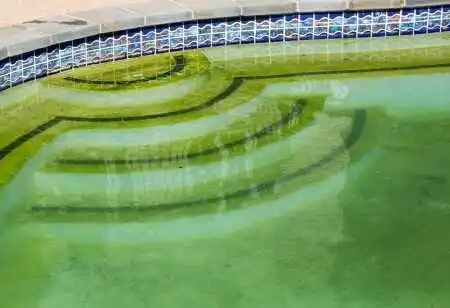
Add algaecide to the pool water Helps prevent and control algae growth. It is especially useful if you have a problem with algae. Regularly adding a preventative algaecide to the pool is recommended especially during warmer months when algae growth is more likely. Follow the manufacturer’s instructions for dosage and application
Defoamers
It is good to add a form of defoamer to your spa if you notice it starting to bubble. The foaming can occur due to contaminants from soap found on skin, hair and clothing or excessive air in the water. Defoamer is a product that is available to purchase from pool and spa shops. Alternately a DIY home defoamer to add to the spa is 10:1 vinegar and baking soda. This helps keep the spa water looking clean and clear.
Defoamer is only a temporary solution to the root cause. If the spa becomes foamy, an imbalance in pH may exist. Complete a water test to check the levels.
By using these chemicals appropriately, maintaining routine cleaning and keeping your spa’s water chemistry balanced, will ensure a safe, clean, and enjoyable experience every time you use your spa. If fail to fulfill the spa’s requirements you are not only putting the users at risk, but you are also putting the integrity of your spa at risk. Make sure you prioritize the spa maintenance to ensure you can enjoy it for many years to come.
Conclusion
Maintaining the right balance of spa water is essential for every spa owner. Proper management of pH levels, alkalinity, calcium hardness, and sanitizers determines the health of your spa. It’s advisable to have your spa water professionally tested before adding any chemicals. Local pool and spa specialists can recommend the right products tailored to your spa’s needs. Achieving the correct chemical balance ensures a clean, safe, and enjoyable experience for swimmers while also protecting your spa.