
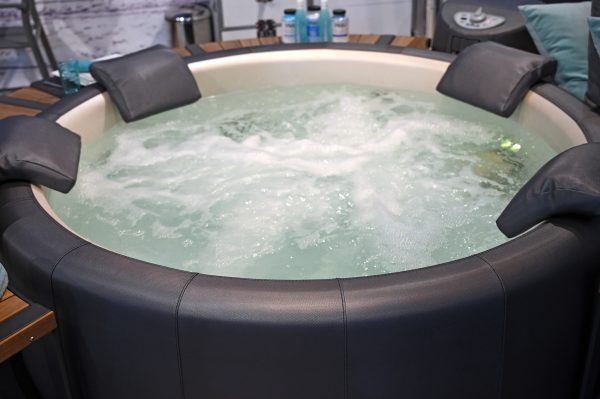
Dealing with foam in your spa can be frustrating, but with the right approach, you can prevent and manage it for a more relaxing experience. In this guide, we’ll cover simple strategies to avoid spa foam and identify common products that cause it, like oils, soaps, and bath additives. Understanding these culprits will help you make better choices about what you bring into your spa.
We’ll also introduce products designed to tackle foam, such as defoamers and clarifiers, which help keep your water clear and reduce foam buildup for a more enjoyable soak. Plus, we’ll share tips on how to use these products effectively, from the right dosage to the best application methods, so your spa stays clean and inviting.
Whether you’re new to spa care or a seasoned pro, this guide will help you manage foam easily, so you can focus on relaxation and enjoy a clearer, foam-free spa experience!
What is Spa Foam?
Spa foam is the bubbly, frothy substance that can accumulate on the surface of spa water. It often results from a combination of factors, including the presence of contaminants such as oils, lotions, and soaps, as well as chemical imbalances in the water. When jets or movement agitate the water, these contaminants create bubbles that form foam.
While foam is not harmful, it can be unsightly and detract from the overall spa experience. Regular maintenance, proper water chemistry, and using specific products can help prevent and manage foam effectively.
What Causes Spa Foam?
Spa foam is usually caused by a mix of organic contaminants, chemical imbalances, and water movement. When people enter the spa, personal care products like lotions, oils, and soaps often leave behind residues that act as surfactants. These surfactants lower the surface tension of the water, making it easier for bubbles to form and get trapped. Over time, these residues build up, leading to persistent foam, especially if the water is out of balance or the filtration system isn’t working properly.
Water movement from the spa jets can make the problem worse by agitating the water and creating more bubbles.
High levels of total dissolved solids (TDS) can also contribute to foaming. TDS is the buildup of contaminants like body oils, lotions, and dirt, which can affect the water’s chemical balance and make it more likely to foam. According to experts at Australian Spa and Pool Maintenance, TDS levels above the recommended range make it harder for the water to break down these contaminants, leading to more foam.
Organic matter like bacteria and other microorganisms can also make foam worse by stabilizing it and preventing it from dissipating. This makes foam harder to clear, especially if the water isn’t properly maintained.
To reduce foam, it’s important to keep TDS levels in check, maintain proper filtration, and balance the water chemistry. Regular maintenance, including using defoaming agents, will also help control foam and keep your spa clean and enjoyable. Understanding these factors will make it easier for spa owners to manage foam and maintain a clearer, more relaxing experience.
How to prevent Spa Foam?
1. Limit Contaminants
One of the primary causes of spa foam is the presence of organic contaminants, such as lotions, oils, and soaps. To prevent foam, it’s essential to minimize these residues before entering the spa. Encourage users to shower before use, thoroughly washing off any personal care products. This simple step significantly reduces the amount of surfactants that can contribute to foaming. Additionally, using fragrance-free or spa-specific products can help limit the introduction of foam-forming agents into the water.
2. Maintain Proper Water Chemistry
Chemical imbalances, particularly elevated total dissolved solids (TDS), can lead to increased foam formation. Regularly test your spa water for pH, alkalinity, and sanitizer levels. Keeping pH levels between 7.2 and 7.8 and maintaining adequate chlorine or bromine levels helps ensure a balanced environment. If TDS levels rise, consider partially draining the spa and refilling it with fresh water to dilute contaminants. Regular water changes can also help maintain overall water quality.
3. Use Specialized Products
Incorporating specific products designed to combat foam can be effective. Defoamers and clarifiers help break down existing foam and prevent new formation by targeting surfactants in the water. Following the manufacturer’s instructions for these products is crucial to achieving the best results. Regularly adding these treatments, especially after heavy usage, can keep foam at bay.
4. Routine Maintenance
Establishing a routine maintenance schedule is vital for long-term foam prevention. Regularly clean filters and surfaces to remove accumulated contaminants. By addressing these issues proactively, you can significantly reduce the chances of foam developing, ensuring a more enjoyable spa experience. By combining these strategies, spa owners can effectively manage and prevent foam, leading to clearer and more inviting water.
What is a defoamer?
A spa defoamer is a specialized chemical additive that reduces or eliminates foam in spa water. Foam can form due to the presence of oils, soaps, and other contaminants, which can affect the overall cleanliness and aesthetic appeal of the spa experience. By using a defoamer, spa owners can maintain clear, inviting water while ensuring a more enjoyable and relaxing atmosphere for users.
These products work quickly to break down surface tension, allowing bubbles to collapse and disappear. Regular use of a defoamer not only enhances the visual quality of the spa but also contributes to better water chemistry, promoting a healthier environment for bathers. To achieve optimal results, choose a defoamer specifically formulated for spa use to ensure compatibility with other chemicals and equipment.
Using a Spa Defoamer
When choosing a spa defoamer, pick products designed specifically for spa use. The best options are silicone-based defoamers, which break down foam quickly, and polymer-based defoamers, which offer long-lasting foam control. Both are effective and safe for your spa’s water and equipment.
To use spa defoamer correctly:
- Prepare the Spa: Make sure your spa is filled and heated to the desired temperature. Check the water’s pH to ensure it’s balanced.
- Shake the Bottle: Shake the defoamer well to mix the active ingredients.
- Measure the Dose: Follow the manufacturer’s instructions, usually about one ounce per 100 gallons of water.
- Apply the Defoamer: Pour the defoamer directly into the water while the jets are running to help mix it evenly.
- Circulate the Water: Let the spa run for 15-30 minutes for the best results.
Use the defoamer regularly, especially after heavy use or chemical treatments, to keep your water clear and prevent foam buildup. Store the defoamer in a cool, dry place to keep it effective.
How Spa Defoamer Works
Spa defoamers work by using special chemicals to break down and disperse foam in your spa water, making your experience cleaner and more enjoyable. Foam usually forms due to oils, soaps, and other contaminants that affect the water’s surface tension. A defoamer lowers this tension, causing the bubbles to collapse quickly and break down the foam.
Once the foam breaks down, the defoamer spreads the remaining particles throughout the water, preventing them from forming new bubbles. This helps keep the water clear and inviting, which is important for maintaining a relaxing atmosphere.
Spa defoamers also neutralize residues left behind by oils and soaps, improving water quality. By removing these residues, defoamers help maintain balanced water chemistry, which is essential for both bather comfort and the longevity of your spa equipment. Regular use of a defoamer not only enhances the look of your spa but also supports better hygiene and extends the life of your spa’s components. Using a high-quality defoamer in your maintenance routine is key to enjoying a clean and welcoming spa.
Benefits of Using Spa Defoamer
Using spa defoamer offers a range of benefits that significantly enhance the overall spa experience. One of the primary advantages is the improved aesthetics; defoamers effectively eliminate unsightly bubbles and froth, ensuring that your spa water remains crystal clear and visually appealing. This creates a more inviting atmosphere for relaxation and enjoyment.
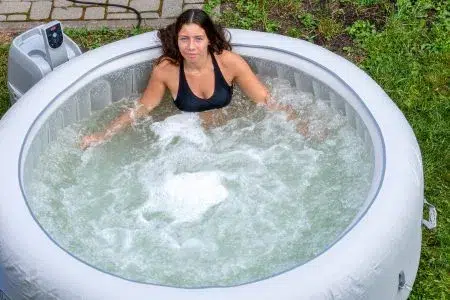
In addition to enhancing aesthetics, spa defoamers also boost comfort for bathers. Foamy water can lead to an uncomfortable experience, but by using a defoamer, you can create a smoother, more pleasant bathing environment. This is particularly important for those looking to unwind after a long day.
Another crucial benefit is the prevention of equipment failure. Excessive foam can clog filters and pumps, leading to costly repairs or replacements. By incorporating a defoamer into your maintenance routine, you can help extend the life of your spa equipment, reducing downtime and saving money.
Lastly, spa defoamers play a vital role in maintaining optimal water quality. They help minimize the accumulation of oils, soaps, and other contaminants, contributing to better water chemistry. This ensures a healthier environment for bathers, making spa defoamers an essential addition to any spa maintenance regimen.
How to Use Spa Defoamer
Using spa defoamer effectively is key to maintaining clear and inviting water in your spa. To begin, ensure your spa is properly filled and heated to the desired temperature. Before adding the defoamer, check your water chemistry; ideally, pH levels should be balanced. Next, shake the defoamer bottle well to ensure even distribution of the product. Measure the appropriate amount according to the manufacturer’s instructions, typically around one ounce for every 100 gallons of water. Slowly pour the defoamer directly into the spa water while the jets are running to promote thorough mixing.
Allow the spa to circulate for at least 15-30 minutes to see optimal results. Regular application, especially after heavy use or after adding chemicals, will help prevent foam buildup and enhance your overall spa experience. Always store the defoamer in a cool, dry place and keep it away from direct sunlight for maximum shelf life.
Important Considerations
When using a spa defoamer, keep a few key points in mind to ensure it works well and safely. First, choose a defoamer that matches your spa’s water type—whether it’s chlorine, bromine, or saltwater—since different defoamers are made for specific water chemistries. Also, check the ingredients; silicone-based defoamers are popular for their effectiveness, but non-silicone options might be better for spas with sensitive equipment.
Pay attention to the correct dosage. Using too much defoamer can create more foam, while too little may not control it properly. Always follow the manufacturer’s instructions for how and when to use the defoamer to avoid upsetting your spa’s chemical balance.
Finally, choose defoamers that are non-toxic and safe for bathers to prevent skin irritation and harm to the environment. By selecting and using a defoamer carefully, you can keep your spa clean, safe, and enjoyable.
What is defoamer does not work?
If foam persists in your spa and the spa defoamer isn’t working, it may be time to consider draining, cleaning, and refilling your spa to restore optimal water quality. Foam can be caused by a buildup of oils, lotions, soaps, or contaminants that are not easily eliminated by defoamers. Start by draining the spa completely, ensuring that all water is removed from the system, including the pipes and jets. Once drained, thoroughly clean the spa’s surfaces, including the walls, floor, and filter, using a non-abrasive cleaner to remove any debris or residue.
Pay special attention to the filter, as it can trap oils and organic matter that contribute to foam. After cleaning, refill the spa with fresh water and carefully balance the water chemistry, including pH, alkalinity, and sanitizer levels. Once the water is balanced, the likelihood of foam reappearing is greatly reduced. Regularly maintaining your spa and cleaning the filter can prevent future foaming issues, ensuring a clear and enjoyable spa experience. For a full step by step procedure with required equipment read our spa cleaning page.
Is it bad to use to much defoamer?
If you’ve used too much defoamer in your spa, it can cause cloudy or overly foamy water, which can be hard to fix. First, stop adding more defoamer, as this can make the problem worse. Check the water’s chemical balance—too much defoamer can affect pH, alkalinity, and sanitizer levels. Adjust these to the recommended ranges, as an imbalance can make the water less clear.
Next, run your spa’s filtration system to help filter out the excess defoamer.
If foam or cloudiness doesn’t clear up, do a partial water change to dilute the defoamer. Cleaning the filter can also remove any trapped residue. To avoid this issue in the future, regularly test and adjust your water chemistry and always follow the manufacturer’s instructions when using defoamers. By taking these steps, you can restore your spa to clear, foam-free water.
Conclusion
In conclusion, managing and preventing foam in your spa is key to keeping it clean, safe, and enjoyable. Foam can form from oils, lotions, soaps, and organic matter that build up over time. To tackle foam, it’s important to first understand its causes, such as imbalanced water chemistry or poor filtration.
Regularly test and adjust your spa’s water chemistry—especially pH, alkalinity, and sanitizer levels—to reduce foam buildup. Also, make sure your spa filter is clean and working properly. A dirty or clogged filter can prevent defoamers from working effectively and let contaminants accumulate.
If foam appears, using a good spa defoamer can solve the problem quickly. Just follow the manufacturer’s instructions to avoid overusing it, which could cause other issues like cloudy water. If foam keeps coming back, a more thorough solution may be needed. This could involve draining the spa, cleaning it, and refilling with fresh, balanced water to remove built-up contaminants and restore water quality.
By staying on top of regular water testing, cleaning, and careful use of defoamers, you can prevent most foam problems. If foam persists, be ready to drain and refill your spa to keep it clear and inviting. With these strategies, you’ll enjoy a smooth, relaxing spa experience every time.