
Pool plaster is the beautiful, smooth canvas of your backyard oasis. But when unsightly stains appear, that perfect blue canvas can quickly become a source of frustration. Mineral staining, particularly from copper and iron, is a common issue for pool owners. These stains don’t just look bad; they can be a sign of deeper water chemistry problems.
This comprehensive guide will walk you through everything you need to know about identifying and treating mineral stains in your pool plaster. We’ll cover the tell-tale signs of different stains, the causes behind them, and a step-by-step approach to pool stain removal and long-term prevention.
Understanding Mineral Stains: The Culprits
Before you can treat a stain, you have to know what you’re dealing with. The two most common mineral culprits are iron and copper, and they leave very distinct marks.
Iron Stains
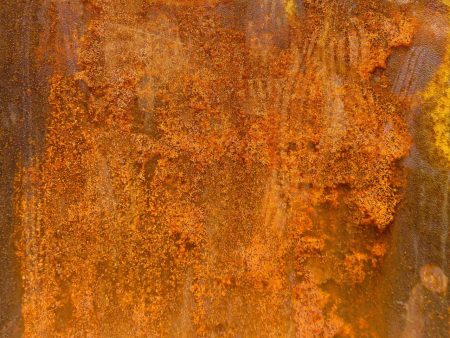
How they look: Iron stains typically present as reddish-brown, rust-coloured, or dark brown splotches. They can also appear as a green-brown or dark yellow hue. If you see a stain that looks like a rust spot from a dropped bolt or a trail of rust from a rebar in the concrete, it’s almost certainly iron.
The causes:
- Well water: If you fill your pool with well water, it’s very likely to contain high levels of dissolved iron. When this water is chlorinated, the iron oxidizes and “drops out” of solution, sticking to your plaster.
- Rusted metal objects: A forgotten nail, a dropped piece of rebar, a rusted ladder, or a metal toy left on the pool floor can quickly create a concentrated iron stain.
- Corroding equipment: Rusted pipes, heater cores, or other metal components in your pool system can also introduce iron into the water.
- Runoff: Heavy rainfall can wash iron-rich soil or runoff from rusted landscape features into your pool.
Copper Stains

How they look: Copper stains are often blue-green, aqua, or even black. They can also manifest as dark blue or purple crystals, particularly around the waterline or in crevices. A classic sign is a blue-green stain that looks similar to an algae bloom but won’t brush away or respond to chlorine shock. In fact, adding chlorine can make a copper stain turn even darker, as it oxidizes the copper.
The causes:
- Low pH/Alkalinity: This is one of the most common causes. When your pool water’s pH is too low (acidic), it becomes corrosive. This corrosive water can eat away at the copper components in your pool’s plumbing, particularly in older heaters with copper heat exchangers. The dissolved copper then falls out of solution and stains the plaster.
- Copper-based algaecides: Many pool owners use algaecides with copper sulphate to combat algae. If too much is used or if the water chemistry is off, the copper can “plate out” onto the plaster.
- Source water: Like iron, some municipal water or well water supplies can contain high levels of dissolved copper.
- Ionizers: Pool sanitizing systems that use copper and silver ions can cause staining if not properly maintained or if the ion levels get too high.
The Definitive Stain Identification Test
Knowing the colour of the stain is a great start, but the best way to confirm the type of mineral stain is with a simple, at-home test. This pool stain test is a crucial first step before you buy any expensive chemicals.
The Vitamin C Test (for iron):
- Take a vitamin C tablet (ascorbic acid).
- Place the tablet directly on a small, inconspicuous part of the stain.
- Hold it in place with a pool pole or brush head for about 30 seconds to a minute.
- If the stain begins to lighten or disappear, you have an iron stain. Ascorbic acid is a powerful chelating agent that bonds with the iron, pulling it off the plaster surface and back into a suspended form in the water.
The Muriatic Acid Test (for copper):
- Put on proper safety gear, including gloves and eye protection.
- In a small, plastic bucket, mix a weak solution of muriatic acid and water (1 part acid to 10 parts water).
- Carefully use a pool pole or brush to apply a small amount of the solution directly to a stained area.
- If the stain lightens or disappears, it’s likely a copper stain. Be extremely careful with this test, as muriatic acid is highly corrosive and can damage your plaster if used improperly.
The “Test Sock” Method (for both):
For an even safer and more targeted test, you can use a “test sock” or a small, porous bag.
- Fill the sock with a granular stain remover. Use a product containing ascorbic acid for iron or one with a copper-specific formula.
- Tie the sock to your pool brush.
- Hold the sock directly on the stain for 3-5 minutes, allowing the granules to dissolve.
- If the stain fades, you’ve confirmed the type of stain and the chemical needed to remove it.
Step-by-Step Pool Stain Treatment
Once you’ve identified the stain, it’s time to treat it. The following steps are for a whole-pool stain treatment, as spot treating can sometimes leave clean patches that look even worse than the original stains.
Crucial Step: Prepare Your Pool Water
- Lower Chlorine Levels: This is the most critical step. Most stain removers, especially those for iron, will be rendered ineffective by high chlorine. Lower your chlorine level to below 1.0 ppm. You may need to stop adding chlorine for a few days or use a chlorine neutralizer.
- Balance pH and Alkalinity: For the treatment to be effective, and to prevent future stains, your pH should be between 7.2 and 7.6. A balanced pH helps the stain remover work optimally.
Treatment for Iron Stains
- Use a Granular Stain Remover: Purchase a high-quality pool stain remover with a high concentration of ascorbic acid. Brands like Jack’s Magic Stain-Free, Natural Chemistry Stain Free, or various generic ascorbic acid products are widely available.
- Dosage and Application: Follow the manufacturer’s instructions, as the dosage will depend on your pool’s size. For a whole-pool treatment, you’ll typically broadcast the granules evenly over the pool surface. For stubborn stains, you can do a direct application as a spot treatment.
- Wait and Observe: Allow the product to circulate for 24-48 hours. Most iron stains will begin to disappear almost immediately, and the results can be dramatic.
- Rebalance Your Water: After the stains are gone, you’ll need to re-chlorinate and re-balance your pool. This is also when you should perform the next critical step: adding a sequestrant.
Treatment for Copper Stains
- Choose a Copper-Specific Remover: Select a stain remover formulated for copper. These products often contain citric acid or other specific chelating agents.
- Lower Chlorine and Balance pH: Just like with iron, a low chlorine level is essential for the treatment to work. Ensure your pH is balanced.
- Apply the Product: Broadcast the stain remover across the pool surface, following the product’s directions.
- Wait and Filter: Allow the product to work for up to 48 hours. You may need to run your pump continuously to ensure the product circulates and removes the copper from the plaster.
- Add a Sequestrant: Once the stains are gone, it’s critical to add a copper-specific sequestrant to your water. This will prevent the copper from re-staining the plaster.
The Secret Weapon: Sequestering Agents
A sequestrant, or chelating agent, is a chemical that binds with mineral ions like iron and copper. It keeps them suspended in the water, preventing them from “plating out” and forming a stain on the plaster. Think of it as a protective shield for your pool’s surface.
Why are they so important?
- Post-Treatment: After you successfully remove a stain, the minerals are still in your pool water. Without a sequestrant, they will simply re-stain your plaster. Adding a sequestrant immediately after a stain treatment is the most important step in the entire process.
- Prevention: The best way to deal with mineral stains is to prevent them from ever happening. If your source water contains metals, or if you have older equipment, a maintenance dose of a quality sequestrant every month can save you a world of trouble. Look for products that specifically mention sequestering iron, copper, and manganese.
When to Call a Professional: Acid Washing
If your stains are extensive, have been there for a long time, or cover a significant portion of your pool, a simple chemical treatment may not be enough. In these cases, a pool acid wash performed by a professional may be the only solution.
An acid wash involves draining the pool and applying a solution of muriatic acid directly to the plaster. The acid etches away a very thin top layer of the plaster, taking the stain with it. This is a very aggressive procedure that should only be done by a trained professional, as it can be dangerous and can damage the plaster if not done correctly.
Long-Term Prevention: The Ultimate Goal
Treating stains is a reactive measure; true pool maintenance is proactive. Here’s how to prevent mineral stains from ever returning:
- Test Your Source Water: Before you fill or top up your pool, have your local pool store test your source water for metals. This will tell you if you need to use a pre-filter on your hose or start a regular sequestrant regimen.
- Regular Water Chemistry Management: A balanced pool is a healthy pool. Maintain your pH between 7.4 and 7.6, total alkalinity between 80-120 ppm, and calcium hardness between 200-400 ppm. Proper chemical balance is your first line of defence against both mineral stains and algae.
- Use a Metal Sequestering Agent: Make this a regular part of your pool care routine. A monthly maintenance dose will keep any metals that enter your pool in solution, where they can’t cause harm.
- Check Equipment: Periodically inspect your heater, pump, and other plumbing for any signs of corrosion. Address leaks or corrosion issues promptly.
- Be Mindful of Algaecides: If you choose to use an algaecide, select one that is metal-free.
Conclusion: A Pristine Pool is Possible
Mineral stains can be a serious eyesore, but they are not a life sentence for your pool plaster. By correctly identifying the type of stain and applying the right chemical treatment, you can restore your pool’s pristine appearance. The key is to be methodical: test, treat, rebalance, and then protect. With the right knowledge and a proactive pool maintenance plan, you can ensure your pool remains a sparkling and beautiful centrepiece for years to come.