
Athletes constantly push their bodies to the limit, and recovery is a crucial part of their training regimen. Hydrotherapy, a form of therapy that utilizes water to promote relaxation and healing, has become an essential tool for athletes seeking to enhance their recovery.
By incorporating hydrotherapy into their routine, athletes can experience a range of benefits, from reduced muscle soreness to improved flexibility. Hydrotherapy can be a valuable addition to an athlete’s recovery routine, enhancing their overall performance.
Key Takeaways
- Hydrotherapy aids in athlete recovery by reducing muscle soreness.
- Incorporating hydrotherapy into a training regimen can improve flexibility.
- Hydrotherapy is a valuable tool for enhancing overall athletic performance.
- Athletes can benefit from regular hydrotherapy sessions.
- Hydrotherapy promotes relaxation and healing.
The Science Behind Hydrotherapy for Athletic Recovery
Hydrotherapy has emerged as a crucial component in athletic recovery, leveraging the therapeutic properties of water to aid athletes in regaining peak performance. This form of therapy utilizes water’s unique properties to create an environment that fosters healing and relaxation.
Understanding the Physiological Effects of Water Therapy
Water therapy, or hydrotherapy, exerts several physiological effects that are beneficial for athletes. The hydrostatic pressure exerted by water immersion helps reduce swelling and improves circulation. Additionally, the buoyancy of water reduces the body’s weight, minimizing stress on joints and muscles.
How Hydrotherapy Affects Muscle Recovery at the Cellular Level
At the cellular level, hydrotherapy influences muscle recovery by enhancing blood flow and reducing lactic acid buildup. Improved circulation facilitates the delivery of oxygen and nutrients to damaged muscle tissues, promoting repair. Furthermore, the warmth of the water can increase the elasticity of connective tissues, reducing muscle spasms.
Research-Backed Evidence for Hydrotherapy Effectiveness
Numerous studies have demonstrated the effectiveness of hydrotherapy in aiding athletic recovery. Research has shown that hydrotherapy can significantly reduce muscle soreness and improve recovery times. For instance, a study on the benefits of hydrotherapy for muscle recovery found that athletes who used hydrotherapy experienced faster recovery and reduced muscle soreness compared to those who did not.
By understanding the science behind hydrotherapy, athletes and coaches can make informed decisions about incorporating this therapy into their recovery regimens, ultimately enhancing performance and reducing the risk of injury.
Benefits of Spa Hydrotherapy for Post-Workout Recovery
Hydrotherapy in a spa setting provides a range of advantages for athletes seeking to enhance their recovery. By leveraging the therapeutic properties of water, athletes can experience significant improvements in their post-workout recovery process.
Improved Blood Circulation and Nutrient Delivery
One of the primary benefits of spa hydrotherapy is its ability to improve blood circulation. Warm water therapy causes blood vessels to dilate, enhancing blood flow to the muscles. This increased circulation delivers more oxygen and nutrients to the muscles, facilitating faster recovery.
Reduction of Lactic Acid Buildup
Hydrotherapy can help reduce lactic acid buildup, a common cause of muscle soreness after intense exercise. By improving circulation and promoting the removal of metabolic waste products, hydrotherapy aids in reducing DOMS (Delayed Onset Muscle Soreness).
Decreased Inflammation and Swelling
The hydrostatic pressure of water helps reduce inflammation and swelling in the muscles and joints. This is particularly beneficial for athletes with injuries or those who have engaged in high-impact activities. By minimizing inflammation, hydrotherapy promotes a faster return to training.
Enhanced Muscle Relaxation Through Hydrostatic Pressure
The hydrostatic pressure exerted by the water during hydrotherapy also promotes muscle relaxation. This pressure helps reduce muscle spasms and promotes a sense of well-being, further contributing to the recovery process.
In conclusion, incorporating spa hydrotherapy into a post-workout routine can significantly enhance an athlete’s recovery. By improving blood circulation, reducing lactic acid buildup, decreasing inflammation, and promoting muscle relaxation, hydrotherapy offers a comprehensive approach to post-workout recovery.
Hot Water Therapy: Optimal Temperatures and Duration for Athletes
Optimal recovery is crucial for athletes, and hot water therapy plays a significant role in achieving this. Hot water therapy, commonly experienced through hot tubs or jacuzzis, offers a relaxing and therapeutic environment that can significantly enhance an athlete’s recovery process.
Temperature Guidelines for Different Recovery Needs
The temperature for hot water therapy can vary based on the athlete’s specific recovery needs. Generally, temperatures between 100°F and 104°F are recommended for most athletes. Those with more intense muscle soreness may benefit from temperatures at the higher end of this range.
Recommended Session Lengths Based on Training Intensity
The duration of a hot water therapy session can depend on the intensity of the athlete’s training. For most athletes, a session lasting between 15 to 20 minutes is sufficient. Athletes who have engaged in strenuous activities may benefit from longer sessions.
Precautions and Contraindications for Heat Therapy
Athletes should be aware of the risks of dehydration and overheating during hot water therapy. Individuals with certain medical conditions should consult with a healthcare professional before engaging in hot water therapy to ensure safe usage.
Cold Water Immersion: When and How to Incorporate It
Cold water immersion is recognized for its ability to aid in the recovery of athletes by reducing inflammation and muscle soreness. This technique involves immersing the body in cold water to stimulate physiological responses that can accelerate recovery.
Benefits of Cold Therapy for Acute Injuries
Cold therapy is particularly effective for managing acute injuries by reducing inflammation and numbing pain. The cold water causes blood vessels to constrict, which can help minimize swelling.
- Reduces inflammation
- Numbness to reduce pain perception
- Constriction of blood vessels to minimize swelling
Proper Techniques for Cold Water Recovery
To effectively use cold water immersion, athletes should follow specific guidelines. The water temperature should be between 50°F to 55°F (10°C to 13°C), and immersion duration can range from 10 to 20 minutes.
Managing Delayed Onset Muscle Soreness (DOMS) with Cold Therapy
Cold water immersion can be an effective tool for managing DOMS, which occurs after strenuous exercise. Regular use can help reduce the severity of muscle soreness.
By incorporating cold water immersion into their recovery routine, athletes can potentially enhance their performance and reduce downtime due to injury or soreness.
Contrast Hydrotherapy: Alternating Hot and Cold for Enhanced Recovery
Contrast hydrotherapy, a technique involving the alternation between hot and cold water, has gained popularity among athletes seeking enhanced recovery. This method leverages the benefits of both heat and cold therapy to create a powerful recovery protocol.
The Science Behind Contrast Therapy
Contrast hydrotherapy works by exploiting the physiological responses to temperature changes. When an athlete alternates between hot and cold water, they stimulate blood flow and reduce muscle soreness. The hot water causes vasodilation, increasing blood flow to the muscles, while the cold water induces vasoconstriction, reducing inflammation.
Step-by-Step Guide to Contrast Bath Protocols
To implement contrast hydrotherapy effectively, follow these steps:
- Begin with 3-4 minutes in hot water (around 104°F).
- Immediately switch to cold water (around 50°F) for 1-2 minutes.
- Repeat the cycle 3-5 times, ending with cold water.
Recovery Timeline and Expected Results
The recovery timeline for contrast hydrotherapy can vary based on individual factors and the specific protocol used. However, athletes can generally expect both short-term and long-term benefits.
Short-Term Benefits
In the short term, contrast hydrotherapy can reduce muscle soreness and improve recovery after intense exercise. Athletes often report feeling more relaxed and experiencing reduced muscle tension.
Long-Term Performance Improvements
Over time, regular use of contrast hydrotherapy can lead to improved overall performance. By enhancing recovery, athletes can train more frequently and at higher intensities, leading to better results.
By incorporating contrast hydrotherapy into their recovery routine, athletes can experience significant improvements in both recovery and performance. As with any recovery technique, it’s essential to tailor the protocol to individual needs and consult with a healthcare professional.
Types of Spa Facilities for Athletic Recovery
Incorporating spa facilities into training routines can be a game-changer for athletes looking to optimize their recovery and performance. Various types of spa facilities cater to different aspects of athletic recovery, providing athletes with a range of options to choose from.
Hot Tubs and Jacuzzis for Targeted Relief
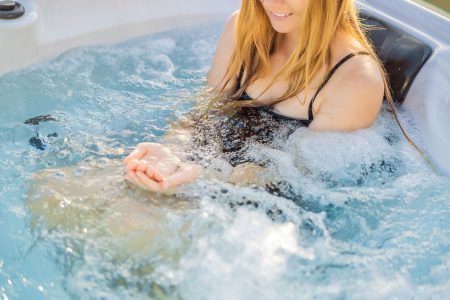
Hot tubs and jacuzzis are popular choices among athletes due to their ability to provide targeted relief. The warm water and jets help relax muscles, improve circulation, and reduce muscle soreness. “Hydrotherapy is a valuable tool for athletes,” notes Dr. John Smith, a sports medicine specialist. “It can significantly aid in the recovery process by reducing inflammation and promoting relaxation.”
- Relaxation of muscles through warm water immersion
- Improved circulation due to jet massage
- Reduction in muscle soreness
Swim Spas for Active Recovery
Swim spas offer a unique combination of swimming and hydrotherapy. They allow athletes to engage in low-impact exercise while benefiting from the therapeutic effects of water. This makes them ideal for active recovery days or for maintaining cardiovascular fitness during injury rehabilitation.
Specialized Athletic Recovery Spas
Specialized athletic recovery spas are designed with the specific needs of athletes in mind. These facilities often incorporate advanced technology and features tailored to enhance recovery.
Features to Look For
When selecting a spa facility, athletes should consider several key features:
- Adjustable jet configurations for targeted massage
- Temperature control for optimal hot or cold therapy
- Ergonomic seating designs for comfort
Cost Considerations
The cost of spa facilities can vary widely based on features, size, and technology. Athletes and teams should weigh the benefits against the costs, considering factors such as frequency of use and potential long-term health benefits.
By understanding the different types of spa facilities available and their respective benefits, athletes can make informed decisions about incorporating hydrotherapy into their recovery routines.
Spa Features That Maximize Athletic Recovery
When it comes to athletic recovery, the right spa features can make all the difference. Spas designed for athletes incorporate various elements that work together to enhance the recovery process.
Jet Configurations for Targeted Muscle Relief
One of the key features that can significantly impact recovery is the jet configuration within the spa. Jets can be strategically placed to target specific muscle groups, providing relief to areas that are typically overworked during intense athletic training.
- Adjustable jet directions allow for personalized massage therapy.
- Multiple jet settings enable varying levels of intensity for different recovery needs.
Ergonomic Seating Designs for Athletes
Ergonomic seating is another crucial aspect of a recovery-focused spa. Seating that is designed with the athlete’s body in mind can help ensure that they are comfortable and supported during their recovery sessions.
Additional Features Worth Investing In
Beyond the basics, there are several additional features that can further enhance the recovery experience. These include:
- Aromatherapy options, which can promote relaxation and reduce stress.
- LED light therapy, known for its ability to reduce inflammation and promote healing.
- Salt systems, which can provide a natural and therapeutic environment.
Aromatherapy Options
Aromatherapy can be integrated into the spa experience through scented oils or essences. Certain scents, such as lavender and eucalyptus, are known for their calming and restorative properties.
LED Light Therapy
LED light therapy involves the use of specific wavelengths of light to achieve therapeutic benefits. It can be used to reduce pain and inflammation, making it a valuable tool for athletes recovering from intense training.
Salt Systems
Salt systems create a saline environment that can be beneficial for athletes. The salt can help reduce inflammation and promote a sense of well-being.
Hydrotherapy Protocols for Specific Sports Injuries

Hydrotherapy has emerged as a crucial component in the recovery process for athletes with specific injuries. By leveraging the therapeutic properties of water, athletes can accelerate their healing and return to peak performance more effectively.
Recovery Plans for Runner’s Knee and Shin Splints
Runner’s knee and shin splints are common issues for athletes involved in running sports. Hydrotherapy can help alleviate these conditions through gentle water-based exercises and controlled temperature therapy. Warm water therapy, in particular, can help relax the muscles around the knee and shin, reducing pain and inflammation.
A typical hydrotherapy session for runner’s knee might include water jogging, leg swings, and knee bends performed in a warm water environment. For shin splints, athletes can benefit from calf raises and toe curls done in the water to strengthen the muscles without excessive strain.
Hydrotherapy for Shoulder and Rotator Cuff Issues
Shoulder injuries, including rotator cuff strains, are prevalent among athletes in sports that involve throwing or overhead movements. Hydrotherapy offers a low-impact method for rehabilitating these injuries. Buoyancy-assisted exercises in water can help improve range of motion and strengthen the rotator cuff muscles without the high-impact stress associated with land-based exercises.
Treating Lower Back Pain with Targeted Spa Therapy
Lower back pain is a frequent complaint among athletes due to the physical demands of their sports. Hydrotherapy can provide significant relief by using the water’s buoyancy to reduce spinal loading and promote relaxation. Gentle stretching and core strengthening exercises performed in the water can also help stabilize the lower back and prevent future injuries.
Joint Pain Management for Contact Sport Athletes
Contact sports athletes often experience joint pain due to the high-impact nature of their activities. Hydrotherapy can be an effective tool for managing this pain. Contrast water therapy, which involves alternating between hot and cold water, can help reduce inflammation and promote healing in the affected joints.
By incorporating these hydrotherapy protocols into their recovery regimens, athletes can more effectively manage their sports injuries and maintain peak performance levels.
Integrating Spa Sessions Into a Training Schedule
Effective integration of spa therapy into training schedules can enhance recovery and performance. Athletes can benefit from hydrotherapy at various stages of their training cycle.
Pre-Competition Hydrotherapy Strategies
Before a competition, athletes can use hydrotherapy to prepare their bodies for the upcoming event. Warm water therapy can help increase blood flow and reduce muscle tension. A pre-competition hydrotherapy session should be conducted 24-48 hours before the event to allow for optimal recovery and preparation.
Post-Event Recovery Protocols
After an event, the focus shifts to recovery. Cold water immersion or contrast hydrotherapy can be effective in reducing muscle soreness and inflammation. Post-event recovery protocols should be implemented as soon as possible after the competition to maximize the benefits of hydrotherapy.
Weekly Maintenance Plans for Ongoing Performance
During the training week, athletes can use hydrotherapy to maintain their performance levels. Regular hydrotherapy sessions can help manage muscle soreness and improve overall recovery. A weekly maintenance plan should be tailored to the athlete’s specific training schedule and needs.
Seasonal Adjustments to Hydrotherapy Routines
As the training season progresses, athletes may need to adjust their hydrotherapy routines. During periods of intense training, more frequent hydrotherapy sessions may be necessary. Conversely, during rest periods, the frequency of hydrotherapy sessions can be reduced. Seasonal adjustments ensure that hydrotherapy remains effective throughout the training cycle.
By incorporating these strategies into their training schedule, athletes can maximize the benefits of hydrotherapy and improve their overall performance.
Conclusion: Making Hydrotherapy a Core Component of Athletic Recovery
Hydrotherapy has emerged as a vital component in the realm of athletic recovery, offering a multifaceted approach to rehabilitation, stress reduction, and improved sleep quality. By incorporating hydrotherapy into their training regimens, athletes can significantly enhance their overall performance and reduce the risk of injury.
The benefits of hydrotherapy are backed by scientific evidence, demonstrating its effectiveness in reducing muscle soreness, improving circulation, and promoting relaxation. As athletes continue to push their bodies to the limit, hydrotherapy provides a valuable tool for recovery, allowing them to return to their training and competition with renewed vigor.
By integrating hydrotherapy into their routine, athletes can experience improved rehabilitation outcomes, reduced stress levels, and enhanced sleep quality, all of which are critical components of athletic recovery. As the sports industry continues to evolve, hydrotherapy is poised to play an increasingly important role in helping athletes achieve their full potential.
FAQ
What is hydrotherapy and how does it aid in athletic recovery?
Hydrotherapy, also known as water therapy, is a form of therapy that uses water to promote relaxation, relieve pain, and improve overall well-being. For athletes, hydrotherapy can be a valuable addition to their recovery routine, enhancing their overall performance by reducing muscle soreness, inflammation, and improving blood circulation.
How does hot water therapy help with muscle recovery?
Hot water therapy helps with muscle recovery by increasing blood flow to the affected areas, reducing lactic acid buildup, and promoting relaxation. The optimal temperature for hot water therapy varies, but it’s typically between 100°F to 104°F.
What are the benefits of contrast hydrotherapy for athletes?
Contrast hydrotherapy involves alternating between hot and cold water to stimulate recovery. The benefits include enhanced circulation, reduced inflammation, and improved muscle function. This technique can be particularly effective for managing DOMS and improving overall athletic performance.
Can hydrotherapy help with joint pain management for contact sport athletes?
Yes, hydrotherapy can be beneficial for managing joint pain associated with contact sports. The buoyancy of water reduces stress on joints, while the warmth can help reduce pain and inflammation. Hydrotherapy protocols can be tailored to address specific joint pain issues.
How often should athletes use a hot tub or swim spa for recovery?
The frequency of using a hot tub or swim spa for recovery depends on the athlete’s training intensity and schedule. Generally, 2-3 times a week is a good starting point, but this can be adjusted based on individual needs and recovery goals.
Are there any precautions or contraindications for using hydrotherapy for athletic recovery?
Yes, there are precautions to consider. Athletes should be aware of their own health conditions, such as high blood pressure or pregnancy, which may require special considerations. It’s also important to follow proper hygiene and safety guidelines when using hot tubs or swim spas.
Can hydrotherapy be used in conjunction with other recovery techniques?
Absolutely. Hydrotherapy can be used alongside other recovery methods such as stretching, foam rolling, and compression garments to enhance overall recovery. Combining these techniques can lead to improved performance and reduced injury risk.
How does hydrostatic pressure in a hot tub or swim spa aid in recovery?
Hydrostatic pressure, the pressure exerted by water on the body, helps reduce swelling and promotes blood flow. This can be particularly beneficial for athletes recovering from intense exercise or injury, as it aids in reducing inflammation and promoting healing.
What features should athletes look for in a hot tub or swim spa for recovery?
Athletes should look for features such as jet configurations that target specific muscle groups, ergonomic seating for comfort, and options for temperature control. Additional features like aromatherapy, LED light therapy, and salt systems can also enhance the recovery experience.