
Water has an undeniable magic. It can soothe, invigorate, and even challenge us. Learning to swim is more than just a fun activity; it’s an essential life skill that opens up a world of possibilities. Whether you’re splashing around in the shallow end or conquering open waters, mastering swimming brings both joy and confidence.
From infants to adults, everyone can benefit from learning how to navigate through water safely. Imagine the thrill of gliding effortlessly across the surface or feeling your worries wash away as you float freely—these experiences are within reach for anyone willing to dive into this journey.
In this guide, we’ll explore everything from choosing the right approach for different age groups to mastering various strokes like freestyle and butterfly. So grab your goggles and get ready! Let’s embark on an adventure that could change lives forever—and maybe save some too along the way.
- Learning to Swim: A Comprehensive Guide for Every Age and Environment
- Dive In! Why Swimming is a Vital Skill for All Lifespans
- Your Learning Pathway: Choosing the Right Approach for You
- Conquering Different Waters: From Pools to Open Seas
- The Relaxing Retreat: Adapting Skills for Spas and Hot Tubs
- Mastering the Strokes: A Journey Through Swimming Styles
- Staying Safe and Enjoying the Lifelong Gift of Swimming
Learning to Swim: A Comprehensive Guide for Every Age and Environment

Swimming is a skill that transcends age and environment. From the moment we splash in our first pool to mastering the waves at the beach, every experience shapes our relationship with water.
For infants, gentle exposure helps build comfort. With playful activities and floating techniques, even toddlers can learn basic skills while having fun. As they grow into young swimmers, structured lessons refine their abilities.
Adults seeking to conquer fears or enhance fitness find swimming an accessible choice too. Whether through private swim lessons or group sessions, learning becomes both effective and enjoyable.
Each setting offers unique challenges—backyard pools provide safety for beginners while open waters demand respect for nature’s unpredictability. Adapting your approach based on age and surroundings ensures everyone can embrace this vital life skill confidently.
Dive In! Why Swimming is a Vital Skill for All Lifespans
Swimming is more than just a leisure activity; it’s an essential life skill. From infants to seniors, the ability to swim opens doors to countless opportunities for fun and fitness.
For kids, swimming lessons provide a foundation of water safety. It empowers them with confidence and teaches vital skills that can save lives.
Adults benefit from swimming too. It’s an excellent way to stay fit while being gentle on the joints. Regular pool workouts can enhance cardiovascular health and reduce stress levels.
Seniors find joy in swimming as well. The buoyancy of water eases movement and promotes flexibility, making exercise enjoyable rather than daunting.
Plus, knowing how to swim fosters independence during vacations or outings near bodies of water—whether at the beach or lakeside retreats. Embracing this skill nurtures not only physical wellness but also mental fortitude across all stages of life.
Your Learning Pathway: Choosing the Right Approach for You
Choosing the right approach to learn to swim can make all the difference. Your personal comfort level and learning style play key roles in this decision.
If you prefer a self-paced environment, consider self-taught swimming methods. You might start with basic techniques at home, utilizing online tutorials or instructional videos.
For those who thrive on collaboration, group swim lessons offer social interaction and encouragement from peers. This supportive atmosphere often helps reduce anxiety around water.
Alternatively, guardian-assisted swimming provides a unique blend of guidance and familiarity for younger learners. Having a trusted adult nearby fosters confidence during initial experiences in the water.
Lastly, private swim lessons cater to individuals seeking personalized attention from an experienced swimming teacher. Tailored instruction ensures you progress at your own pace while honing specific skills effectively.
Explore these options carefully to find what resonates with you best on your journey into the aquatic world!
The Independent Learner: Mastering the Basics at Home

For those eager to learn to swim on their own, mastering the basics at home can be a rewarding journey. With determination and a bit of creativity, you can set up your personal training regimen in shallow water or even in bathtubs.
Start by getting familiar with floating techniques. Practice lying back and letting the water support you. This foundational skill is essential for building confidence.
Next, focus on basic arm movements. Use an inflatable pool toy as resistance while mimicking strokes like freestyle swimming or backstroke swimming. Visual aids like videos can help guide your technique.
Breath control is vital too. Spend time blowing bubbles in the water; this simple exercise helps ease anxiety and prepares you for submerging your head later.
Set small goals each session, whether it’s improving your float or perfecting kicks. Celebrate these milestones—they’re key to becoming self-taught swimmers ready for deeper waters!
Learning Together: The Benefits of Guardian-Supported Swimming
Learning to swim can be a fun and bonding experience when shared with a guardian or parent. Having someone supportive beside you builds confidence, especially for beginners.
Guardian-supported swimming allows for immediate feedback. A caring companion can encourage and correct techniques on the spot, making learning smoother. This dynamic creates an environment where questions are welcomed and fears are addressed together.
Additionally, it fosters trust between the learner and their guide. Children often feel more at ease in water when they know a familiar face is watching over them. This security is invaluable in overcoming any initial anxieties about swimming.
Moreover, engaging in this activity strengthens relationships while promoting physical health through exercise. The laughter and joy shared during lessons transform what could be daunting into delightful memories that last a lifetime.
The Expert’s Touch: Enrolling with a Qualified Swim Instructor
Finding the right swim instructor can transform your learning experience. A qualified teacher brings expertise and a structured approach to swimming lessons, whether for adults or kids.
With personalized attention, instructors can address specific needs. They assess your skills and tailor lessons accordingly. This targeted strategy fosters faster progress.
Safety is paramount in any aquatic setting. An experienced swim teacher emphasizes water safety practices while ensuring you feel confident in the water.
Group classes offer camaraderie, but private lessons provide focused guidance. Both options have their merits; choose what suits your comfort level best.
A good instructor also nurtures a positive mindset towards learning. They encourage you to overcome fears and celebrate small victories along the way.
Investing in expert instruction not only sharpens techniques but helps build lifelong habits around swimming safely and confidently.
Conquering Different Waters: From Pools to Open Seas
Transitioning from the controlled environment of a pool to the unpredictability of open water can be both exhilarating and daunting. Each setting presents unique challenges that require different skills.
In a swimming pool, you’re met with clear boundaries and predictable conditions. Here, you can focus on mastering strokes like freestyle or backstroke without worrying about currents or waves.
Open water brings a thrill unlike any other. The vastness can feel intimidating but also liberating. Practice is key—learn to read currents and adapt your techniques for safety.
Consider starting in shallow areas where you can gradually build confidence. Familiarize yourself with floating techniques to ease anxiety while navigating deeper waters.
Whether it’s ocean waves or lake ripples, embracing these environments will enhance your swimming experience immensely. Every stroke taken in nature adds another layer to your journey as a swimmer.
The Controlled Environment: Building Confidence in Swimming Pools

Swimming pools offer a perfect setting for building confidence in water. Their controlled environment allows new learners to focus on essential skills without the unpredictability of open waters.
Start by getting comfortable in shallow areas. This familiarity helps ease anxiety and fosters a sense of security. Gradually, you can experiment with floating and basic movements.
Use poolside features like steps or ledges to practice safe entries and exits. These simple actions promote confidence as you learn how to navigate your surroundings effectively.
Engaging in fun activities, such as games or family swim time, makes learning less intimidating. When swimming feels enjoyable, it becomes easier to progress through various techniques.
Encourage frequent visits to the pool. Consistency is key when developing comfort with swimming skills. As you spend more time practicing, you’ll notice improvement and grow eager for new challenges ahead.
The Relaxing Retreat: Adapting Skills for Spas and Hot Tubs
Spas and hot tubs offer a tranquil environment for relaxation, making them ideal places to adapt your swimming skills. While they may not require the same techniques as pool or ocean swimming, they provide an opportunity to enhance comfort in water.
The warm temperature can help ease tension and improve flexibility. Practice floating on your back or side while enjoying the soothing jets of a hot tub. These gentle movements can build confidence without feeling overwhelmed.
Focus on breathing techniques too. Inhale deeply and exhale slowly, allowing yourself to sink into serenity while mastering basic flotation principles.
Introduce fun activities like gentle treading water or simple strokes if space allows it. This playful approach keeps you engaged and makes learning enjoyable even in a more confined setting such as this.
Whether solo or with friends, spas are perfect for reinforcing water safety habits while embracing leisure at its finest.
The Open Water Challenge: Navigating Beaches and Natural Bodies of Water
The allure of open water swimming is undeniable. It offers a refreshing escape from the confines of pools and introduces you to nature’s vastness. However, navigating beaches and natural bodies of water requires distinct skills.
Before diving in, familiarize yourself with currents, tides, and local wildlife. Each beach has its own character; some may have gentle waves while others can be unpredictable. Always check conditions before venturing out. If you are unsure you can find this information on Tide Predictions for Australia, South Pacific and Antarctica
Visibility can be limited in murky waters or during overcast days. Use brightly colored swim gear to increase your visibility to boats or other swimmers.
With every stroke, stay conscious of your surroundings. Spot landmarks on shore that guide your return journey. Swimming alongside a buddy enhances safety—never underestimate the power of companionship when facing the unexpected challenges presented by open waters.
Mastering the Strokes: A Journey Through Swimming Styles
Swimming strokes are the heart of every swimmer’s journey. Each style has its own rhythm and technique, inviting you to explore new ways to glide through water.
Freestyle swimming, or front crawl, is often the first stroke many learn. It’s fast and efficient, making it perfect for races or leisurely swims alike.
Backstroke offers a unique perspective as you float on your back. The sensation of looking at the sky while propelling yourself forward can feel liberating.
Breaststroke emphasizes timing and coordination—it’s all about that smooth gliding motion combined with powerful kicks.
Then there’s the butterfly stroke, demanding strength and precision but rewarding those who master it with grace in movement.
Each stroke builds confidence in different elements: speed, endurance, or relaxation. As you navigate this diversity, you’ll find comfort in adapting techniques to various environments like pools or open waters.
Foundational Skills: Essential Movements for All Strokes
Building a solid foundation is key for every swimmer. Mastering essential movements sets the stage for all strokes. Start with floating; it’s crucial for comfort in water.
Next, practice kicking. Strong kicks propel you forward and help balance your body. Try using a kickboard to isolate this skill.
Arm movements are equally important. Each stroke requires specific techniques—think of reaching out and pulling back through the water effectively.
Breathing techniques can’t be overlooked either. Knowing when to inhale and exhale ensures you maintain rhythm without choking on water.
Finally, learn how to streamline your body position. A streamlined shape reduces drag, making every stroke more efficient.
These foundational skills not only boost confidence but also pave the way for mastering advanced techniques later on.
The Core Competitive Strokes
Competitive swimming showcases four primary strokes, each with its unique techniques and flair. Freestyle, or front crawl, is the fastest stroke. Swimmers alternate their arms while kicking vigorously to propel themselves forward.
Backstroke offers a refreshing twist as swimmers lie on their backs. With alternating arm movements and a flutter kick, it requires coordination and rhythm to maintain speed without losing direction.
Breaststroke is characterized by its distinctive frog-like movement. The hands sweep outwards before pulling back in sync with the powerful leg kicks. This stroke emphasizes timing and efficiency for optimal performance.
Finally, there’s butterfly—often regarded as the most challenging due to its simultaneous arm movements and dolphin kick. It demands strength and endurance but rewards those who master it with incredible speed through water’s surface tension. Each stroke contributes uniquely to competitive swimming success, showcasing technique versatility among athletes.
Freestyle (Front Crawl)
Freestyle, also known as the front crawl, is often considered the fastest swimming stroke. Its efficiency makes it a favorite among competitive swimmers.
To master freestyle, focus on body position. Keeping your body streamlined reduces drag and enhances speed. Your head should be in line with your spine to maintain balance in the water.
Arm movements play a crucial role too. Alternate your arms in a windmill motion, fully extending each arm before entering the water again. This technique maximizes propulsion.
Breathing can be tricky for beginners. Turn your head to one side while keeping it low to minimize disruption of your stroke rhythm. Practice this until it feels natural.
Leg kicks add power but shouldn’t be overly aggressive. A steady flutter kick helps propel you forward without tiring you out quickly.
With practice and persistence, mastering freestyle opens up opportunities for faster swimming and improved stamina.
Backstroke

Backstroke is one of the four competitive swimming styles and stands out for its unique position. Swimmers lie on their backs, using a flutter kick while their arms alternate in a windmill motion above the water.
This style offers an excellent way to breathe easily since your face stays above water. It allows you to relax and focus on your movements without the anxiety that sometimes accompanies other strokes.
For beginners, mastering backstroke can build confidence in the water. The feeling of floating on your back provides comfort as you learn proper body alignment and breathing techniques.
Practicing drills like arm pulls or kicks can enhance speed and efficiency over time. As with any skill, consistency is key; regular practice will lead to improvement. Embrace this enjoyable stroke as both a competitive technique and a fun way to unwind in the pool!
Breaststroke
Breaststroke is one of the most recognizable swimming styles. Its rhythmic movement mimics a frog’s kick, making it both efficient and graceful.
To start, you’ll want to master the arm technique. Your arms should make a sweeping motion in an outward circle before pulling back towards your chest. This helps create propulsion while maintaining stability.
Next up is the leg action. The unique frog kick involves bending your knees and bringing your feet toward your rear before extending them backward in a powerful thrust. Timing is crucial; synchronize this with your arm movements for optimal speed.
Breaststroke also emphasizes breath control. Inhale quickly as your arms pull inward, then exhale underwater as they extend. This rhythm keeps you fluid and reduces drag.
Whether you’re learning breaststroke for competition or fitness, practice makes perfect! It’s a fantastic way to build strength while enjoying time in the water.
Butterfly

Butterfly swimming is one of the most challenging strokes but also among the most exhilarating. With its graceful movements, it showcases both power and fluidity in the water.
To master butterfly, swimmers must synchronize their arms and legs flawlessly. The key element is the dolphin kick—an undulating motion that propels you forward while your arms slice through the water. Timing is everything; a well-timed stroke can create an effortless glide.
Breathing techniques are crucial as well. Swimmers lift their heads above water during arm pulls to inhale quickly before submerging again. This rhythm builds endurance and skill over time.
Practicing butterfly drills helps develop strength and coordination. Regularly engaging with this style not only boosts stamina but also adds variety to your swimming routine. As you grow more confident, you’ll find joy in conquering those waves with every powerful stroke.
Beyond the Basics: Recreational and Survival Swimming Styles
Once you’ve mastered the fundamental strokes, it’s time to explore swimming styles that extend beyond competition. Recreational and survival swimming techniques are invaluable for leisure and safety.
Sidestroke is a classic style that combines relaxation with efficiency. Ideal for long distances, it allows you to maintain your energy while keeping your head above water—perfect for those sunny beach outings.
For situations where flotation is crucial, treading water becomes essential. This technique involves using your arms and legs in a rhythmic motion to stay afloat without expending too much energy.
Elementary backstroke offers another option for beginners wanting comfort under the surface. With its gentle movements, this stroke enables swimmers of all ages to maintain visibility while enjoying their surroundings.
Embracing these styles not only enhances enjoyment but also builds confidence in various aquatic environments. Whether you’re floating on vacation or navigating through waves, these skills ensure you’re ready for any challenge.
Sidestroke
Sidestroke is a classic swimming technique that combines efficiency with ease. It’s often recommended for beginners, as its gentle movements can be less intimidating than more advanced strokes.
To perform the sidestroke, you lie on your side in the water. Your body should be elongated and streamlined. One arm glides through the water while the other rests along your side or helps provide balance above the surface.
Legs play a crucial role here too. A scissor kick enhances propulsion while keeping your body stable. This stroke allows swimmers to breathe easily by turning their heads towards the air without disrupting their rhythm.
Moreover, sidestroke offers a relaxed alternative for those looking to enjoy leisurely swims or cover longer distances without tiring quickly. It’s perfect for enjoying quiet moments in pools and open waters alike, making it an excellent choice for people of all ages and skill levels.
Elementary Backstroke
Elementary Backstroke is a beginner-friendly swimming style that offers both comfort and efficiency. It’s perfect for those who may feel uneasy in the water but want to build their confidence.
To perform this stroke, lie on your back with your arms at your sides. The movement begins with a simple frog kick. As you kick, sweep your arms out to the side and then bring them together above your chest. This motion creates a gentle rhythm that helps maintain balance.
Breathing comes naturally with Elementary Backstroke; just keep your face above the water while you glide along.
This stroke allows swimmers to relax as they float effortlessly, making it ideal for practicing basic swimming skills or enjoying leisurely time in the pool.
With practice, you’ll find yourself mastering this technique while enhancing overall body awareness in aquatic environments.
Treading Water
Treading water is a vital skill that every swimmer should master. It allows you to stay afloat while conserving energy, which can be crucial in an emergency situation.
To tread water effectively, start by keeping your body vertical. Kick your legs gently behind you, alternating between up and down movements. Use a scissor kick or a flutter kick—whatever feels most comfortable for you.
Your arms play an essential role too. Move them in circular motions alongside your body to provide stability and balance. This helps keep your head above water as you maintain control of your position.
Practice this technique regularly to build confidence and improve endurance. Treading water not only enhances safety but also prepares swimmers for various aquatic environments—from pools to open waters.
Safe Water Entries and Exits: Techniques for Various Environments
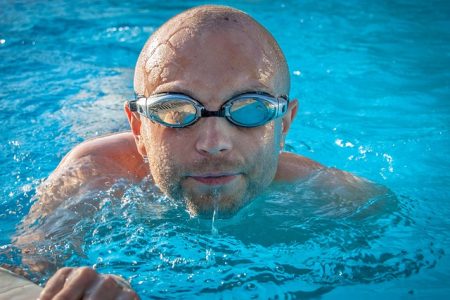
Entering and exiting the water safely is essential, no matter where you are. Different environments call for specific techniques to ensure a smooth transition.
At pools, the most common entry method involves using a ladder or simply stepping in from the side. Always check your surroundings first. Make sure there’s enough space and that the surface isn’t slippery.
In natural settings like lakes or oceans, walk slowly into shallow waters before diving in deeper. Use your hands to feel any changes in depth or obstacles below.
For spas or hot tubs, it’s best to lower yourself carefully while holding onto the edge for support. This prevents slips on slick surfaces.
When navigating beach areas, look out for waves and currents. Timing your entry with smaller waves can give you safe access without being knocked over unexpectedly.
These simple strategies enhance safety and boost confidence as you enjoy all that water has to offer!
Staying Safe and Enjoying the Lifelong Gift of Swimming
Swimming is more than just a skill; it’s a gateway to adventure, relaxation, and health. Whether you’re immersing yourself in pool swimming or navigating the open sea, safety must always be your priority. Understanding water safety tips for all ages can significantly enhance your experience.
For kids swim lessons and infant swimming classes, supervision is crucial. Ensure that toddlers are never left unattended near water. Teaching them essential skills like floating and treading water can build their confidence while they enjoy splashing around.
Adults learning to swim should also prioritize safety measures. Establish clear boundaries regarding where you feel comfortable swimming, especially if tackling outdoor environments like beaches or lakes. Knowing how to enter and exit safely will minimize risks during your practice sessions.
As you progress through various strokes—whether it’s freestyle swimming or mastering the backstroke—remember that patience is key. Each individual learns at their own pace, so embrace every small victory along the way.
The journey of learning how to swim doesn’t have an endpoint; it’s an ongoing process filled with joy and fulfillment. By embracing safe practices from the start, you’re setting yourself up for years of enjoyable aquatic experiences ahead—a true gift that keeps on giving!