
Introduction
As the sun shines bright and the temperature rises, there is nothing quite like a refreshing splash in the pool, especially for our furry friends. If you have ever watched as your dog delightedly leaps in the water, then you understand they can be natural swimmers. Are swimming pools safe for dogs? Even though many canines love getting into the water for a much-needed cool-off, there are few basics that every pet owner should keep in mind.
From hair floating on the surface to safety measures, we will cover all that is essential to make your dog’s pool experience an amusing and healthy one. Whether you have your own backyard oasis or are considering portable options designed for canines, understanding the current risks and benefits will help keep the water fun for both of you! So get your floaties on, and let’s focus on everything about doggy swimming pools!
- Are pools safe for dog
- Dogs and swimming pool chemicals
- Dog swimming safety
- Health risks associated with dogs swimming in the pool
- Special pool chemicals dog-friendly pool maintenance
- Tips for swimming with dogs in the pool
- Common Questions
- Do I need to wash my dog after swimming in the pool?
- How long can my dog swim in the pool?
- What is the best type of swimming pool for dogs?
- What are the benefits for a dog swimming?
- How can I teach my dog to swim in a pool?
- Do dogs need a ramp or steps to get out of the pool?
- Can I bring my dog to a public swimming pool?
- How do I protect my dog’s ears and eyes from pool water?
- Why does my dog drink pool water?
- How do I know if my dog enjoys swimming?
- How often should I clean my pool if my dog swims in it regularly?
- Preventing dog hair from getting stuck in the pool skimmer?
- How do I clean dog hair from my pool?
- Will my dog’s fur clog the pool filter?
- How do I remove dog odor from the pool water?
- Will a robotic pool cleaner to pick up dog hair?
- Chlorine levels after dogs swimming in pool
- Conclusion
Are pools safe for dog

Swimming pools can provide fun for dogs but safety should always be the top priority. Some pools offer better conditions for dogs than others. Ensuring that the pool environment meets the specific requirements of dogs represents the main priority.
Begin by inspecting the pool’s perimeter for sharp edges or slippery surfaces. Hazardous pool areas may cause injuries when dogs play or leave the water.
Chlorinated pools pose additional considerations. A large number of dogs can handle this chemical without issue but too much exposure may cause skin irritation and eye problems. Observing your dog’s behavior consistently enables you to assess its comfort in the pool environment.
Supervision is key while your dog swims. All swimmers require someone to observe them to ensure they have assistance if fatigue sets in or they face unforeseen difficulties while swimming in deep water.
Knowledge of these elements enables you to build a secure environment for your pet during summer activities and playtime in the water.
Dogs and swimming pool chemicals
A swimming pool typically uses a variety of chemicals for water sanitation and clarity. While these chemicals are necessary for the health and well-being of human swimmers, they can pose risks to dogs as well.
One of the most common pool sanitizers is chlorine. It keeps the pool free from bacterial attack but can cause irritation on the skin and eyes of a dog. Prolonged exposure could cause allergy, seizures, or respiratory effects in sensitive dogs.
The level of bromine, algaecides, and pH regulators present in the pool hover around the same consideration for the furry friend. Keeping tabs on how long your dog plays in a chlorinated pool is pertinent.
To minimize any potential health risks, consider rinsing the chemicals off of your pet with freshwater following their swimming experience. A mere rinse could wash off residues absorbed in their fur and skin.
The creation of a ‘dog zone’ is where dogs can enjoy themselves to their heart’s content without being fully exposed to chemical waters. This is a good way, dogs can play in flowing water while still being kept safe. To find out more information on pool chemicals, click the link to our pool chemicals page.
Dog swimming safety
One of the essential safety measures for your dog while swimming calls for your careful monitoring. Always keep an eye on your dog, while they are quickly splashing through the water. In fact, some dogs are at a risk of going down despite the water being not deep.
The first step is to assess how well the dog can swim. Begin by bringing the dog near the water to help them get familiar with it, then encourage them to take the first plunge.
You may consider hooking the dog using one of the dog life vests as a measure on the safety chart. Staying close to the edge while you encourage this puppy to venture to the other side of the pool is another good way to tell how far his willingness goes.
Before the precious pet befalls a series of disasters resulting from the above, the owner must pay attention to the water temperature. He needs to have his thirty-second rest, quite adequately scattered in haste for some water, and then go back to take a nice break at the doggy swim in good spirits.
This is another must; the potential roaming dog in and around the pool because of which he might get knocked down by a car-like connection to pet grief.
Health risks associated with dogs swimming in the pool
Dog pool swimming possesses an assortment of health risks that one may want to look out for. Just as chlorinated water is perfectly welcome for human beings, it disagrees with one other: Your pet may suffer from skin irritation and dryness from a chlorinated pool. Prolonged exposure does develop allergic reactions or even worsen pre-existing skin conditions.
In addition to chemical-related concerns, instances of ear infections are likely to develop through sugary swimming occasions.In the late evenings, after the dog finishes swimming, water in the ears creates an environment that allows bacteria and yeast to proliferate. By keeping the ears as dry as possible after swimming, one reduces the risk of infection.
Harmful substances in pool water might cause gastrointestinal distress. While swimming, many dogs tend to consume more water than recommended for their size, which can lead to vomiting or diarrhea.
On a final note, keep an eye out for physical fatigue: It disgusts one how pooped-out one of those dogs must feel to end up being left alone in laborious breaths…
Special pool chemicals dog-friendly pool maintenance
Certainly, using pet-rated pool chemicals is really necessary if one is keen on keeping a pet pool. The chemicals used in the regular pool cleaning process may overly irritate the skin or eyes of the pool dog. Utilize dog-friendly objects every time.
The most common alternative is a salt or mineral-based sanitizer, which offers a chlorine-free option. These chemicals are among the best choices because they are gentle on your precious pet while effectively cleaning and killing microbes.
Firstly, as pools begin to accumulate debris from the dogs: hair and dander specifically, destroying these with an enzyme-based remedy that has minimal negative results will be more advantageous rather than the other methods. The enzyme removes the organic matter quickly and ensures the pool remains clear of the debris apart from being the best with pet care.
Above all, it is important to thoroughly read product labels provided with the chemical products for pet safety. For this reason, it is crucial that the product label should at least be declared to be safe for pets during playtime swimming escapades. There is nothing more important than keeping your dog happy and healthy.
Tips for swimming with dogs in the pool
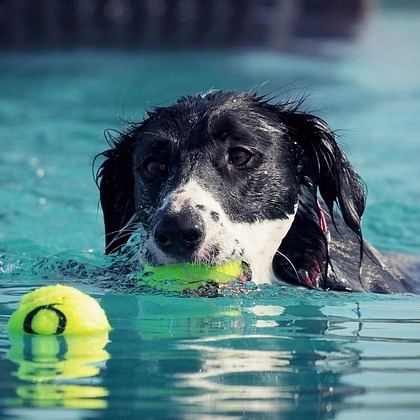
Quite some preparation is needed when planning for the swimming activity with your dog in the pool. You should thus take up the job of gradually introducing your furry friend to water. Begin by perhaps allowing them to acquaint themselves with the shallows before easing into the greater depths.
To cater to different circumstances—and much more importantly—life jackets designed to fit dogs are one such option. These will give your furry friend that added buoyancy while giving you great peace of mind as you see them exploring the water.
Watch over your pooch throughout the whole experience. Dogs can easily tire or become disoriented when in a not-so-familiar environment.
Bond with your furry friend during the swim by doing some positive reinforcement. Use treats and heaps of praise to instill confidence in your furry friend, thereby making the experience rather recreational for the both of you.
Set up the ramp, steps or boat to provide your dog with two clearly defined entry and exit routes, ensuring your dog can concentrate on having fun rather than the physical method of entry and exit.
Do not forget the role of temperature! This goes hand in hand with the fact that you have to avoid very long swims during the hottest part of the day because overheating from such an activity can be dangerous. Consequently, ensure that playtime is scrupulously combined with the notion of safety!
Common Questions
Do I need to wash my dog after swimming in the pool?
A quick rinse is a sound idea for dogs after a swim; chlorine or other chemicals in pool water may make the skin and eyes of dogs irritated. You would only be unable to get rid of less burden to yourself in giving your dog a quick shower.
Fresh water will keep your animals’ coat clean and free of residues that may be irritating. Be sure that the ears have a proper dry, as any moisture trapped inside can lead to infection.
If your dog raced around the sun having fun, consider shampoo gently designed for the dog. The shampoo will not only cleanse but will also promote the healthy condition of the skin, feeling soft and grow.
Fabric the drying! It is crucial to assure that the ears and feet are satisfactorily dry after bath. This simple care will ensure that your furry friend remains in good health using the best experiences of dog pools.
How long can my dog swim in the pool?
The length of time your dog can spend swimming in the pool varies with several factors. Generally, most dogs can handle swimming for 30-60 minutes at a session; that would normally qualify as a good workout without straining anybody.
Age and breed must be considered; while some breeds might have a natural swimming ability, some may just get tired. Puppies and geriatric dogs might have to keep their sessions shorter to prevent fatigue.
Observe your dog closely during swimming sessions. If you notice signs of fatigue or struggling after a while, it’s a clear sign that playtime is over, and they need a break. Make sure to offer fresh water for hydration between swims.
Weather is a factor in determining the amount of time to keep them in there; on hot days, time in the pool might provide kids with refreshment but will need extra care to prevent overheating.
The only thing that matters in the end should be how long can you let your dogs swim so that it becomes more peaceful and with them.
What is the best type of swimming pool for dogs?
When deciding the very best type of swimming pool for dogs, numerous factors come into play. Shallow water targeting the paws is the best environment where your darling dog can mess around and get a stray feet doused.
In terms of materials, looking for items that are safe & non-slip is essential. Inflatable pools or toughened plastic options can provide a soft landing in case the dog decides to leap in joyously.
If space allows, getting a dog-friendly pool in the backyard specifically created for pets is a grand plan. They usually have gentle slopes and easy exits.
Portable pools are also next in line. They are perfect for use while traveling or for setting up at other locations in backyards.
Lastly, always consider their level of access through ramps or steps. Giving your pets an easy in-and-out conquers any other fun options you have in mind while keeping them safe during the swim.
What are the benefits for a dog swimming?
Swimming presents several physical and mental benefits to dogs. It is a unique exercise for dogs in that it is a low-impact exercise and, hence, helps to tone muscles while minimizing loads on joints. This, of course, is a good alternative for seniors or those very recently coming out of any injury.
Moreover, swimming is also a refreshing experience to a dog’s mental regeneration. The water can inflame their senses, which no doubt is enjoyed as much as it is further motivated by the fun.
Furthermore, swimming under hot weather will surely cool down the body temperature of your furry best friend. Dog swimming frequently would, in addition to feeling well, be wholeheartedly happy with cardiovascular health.
Also, socialization is a benefit to enjoy for the contest. Many dogs really love to be outdoors with their pet friends or loved ones. Intellect and private folder provided to them throughout the whole of every experience.
Although swimming is bound to be calming nervous dogs in specific cases, it can still safely drain out the energy and stress that needs an escape mechanism.
For more information on the benefits of dogs swimming follow the link to Summer Dogs Blog.
How can I teach my dog to swim in a pool?
Teaching your dog how to swim/be a professed swimmer in a pool is so rewardable for both of you. Starting with some introduction to the water in quite gradual measures is one way forward. Use limited zones where they cannot feel scared.
Positive reinforcement is a strong condition. Consider bringing along their toys or treats to coerce them into the water. Allow them to explore at their own speed without being pressured.
Once they are at ease, assist them into paddling gently, supporting their belly; this kind of activity helps to build confidence and establish some heart muscle to pump them for swimming later.
During the lessons, keep a watchful eye on your hairy friend. Short sessions will give better and more effective lessons. Do not let their swimming lessons water-log.
If possible, try bringing in another dog that knows how to swim as a model. Many dogs can learn just by watching others! Patience and encouragement will go very far in making this a fun activity for your pup.
Do dogs need a ramp or steps to get out of the pool?
Using a water ramp is a place to start in getting a small dog out of a pool. In all instances, ramps may provide small or old dogs with a gentle incline out of the water, allowing them to exit the water with comfort. Steps can also be used if wide enough, with non-slippery materials ensuring that the dog has proper footing while leaving the water surface.
The choice between a ramp and steps totally depends on the dog’s size and health. Pay close attention to how they react and use different provisions, as it is an individual decision. Increased safety and an entertaining swimming experience for your collie is what these access points are all about.
Can I bring my dog to a public swimming pool?
It can be tempting to take your furry dog for a swim at a public pool on a sunny afternoon. However, many pools have strict rules against dogs to protect against germs and ensure hygiene and security.
Dogs might introduce dirt, bacteria, and cheerfulness into the pool that disrupts the balance of chemicals needed to maintain cleanliness. Moreover, not every dog is comfortable around large groups of human beings but are great companions and safe wherever water is involved.
If you are game for such an event with your pet then look out for dog friendly swimming spots. In fact, some parks have areas where pups can take a dip.
Always check out the nearby local laws before going on a run like this so as to be sure that it is fun for you and your pet without any downsides.
How do I protect my dog’s ears and eyes from pool water?
Protect your dog’s ears and eyes from pool water to prevent irritation. Chlorine and other pool chemicals can dry out their skin and cause soreness, while ear infections may develop depending on the breed.
To give your buddy protection, you may want to consider these safety goggles designed to protect their furry eyes from the chemicals. In addition to the irritation factor issue, such goggles will prevent the water from entering the eyes on joyful swim adventures.
While at it, do look into getting waterproof ear plugs specially designed for dogs because they also provide protection from water filling their ears, thereby minimising the risks of ear infection – which is a common malady of dogs who like to swim.
Whenever the dog is done swimming in the pool, remember to gently dry off the ears with a soft towel. This gesture, just as simple, keeps the ear Moisture free, and so further impedes issues that may appear due to longstanding exposures to pool water.
Why does my dog drink pool water?
Dogs are naturally curious animals. When observing a pool, they will almost follow their basic instincts to explore everything associated with water, including taking a sip of it.
This chlorinated pool water might be alluring to your pet, maybe due to the scent or wavelets worked up by the breeze, which it may consider as another form of water to sip at. Moreover, they eat everything. The water may feel cool and taste different from regular tap water.
In any case, it is not good for your pet to drink too much chlorinated water in your pool or in general. So you need to keep an eye on how much your dog is gulping while swimming there and, if at all possible, have a nice, fresh container of water serving as an alternate option nearby.
By keeping an eye on what they do near the pool, the threat of them becoming deprived by doing themselves any bodily harm will be reduced tremendously.
How do I know if my dog enjoys swimming?
Watching your dog paddle in the water could be such a fun activity. You can easily tell if your pup enjoys swimming or is feeling uneasy.
Watch for clues in your pet’s body language. If they have a relaxed body and wagging tail, along with playful splashes, they’re likely enjoying their play. Excited barking or playful paddling means they’re having a great time.
Check out how they interact with other humans in the swim. A dog that likes swimming will want to engage with human beings by fetching, playing, or jumping through waves.
Is your dog willing to enter with you to the pool, or is everything foot-drugged and unwilling? Hesitancy in such behavior could suggest weariness.
You should create good associations with water for your dog from the very beginning.
Last thing to watch now is how much energy they have after your pool. Normally, happy dogs will be more satisfied than tired or pressured.
How often should I clean my pool if my dog swims in it regularly?
Think about adjusting your pool chemistry for the more frequent hair, dirt, and dander brought in by a water-loving pet. For instance, if Fido takes frequent swims, consider cleaning the pool weekly. Doing so can prevent the debris load and create a cleaner, healthy pool for swimming.
Don’t forget to check the skimmer baskets regularly as many dog hairs tend to get lodged there.
You can also opt to buy a good pool vacuum which is designed to accommodate pets. This option will make your pool maintenance a lot easier to do.
Keep an eye on the water, too. Dogs can wreak havoc on the water balance with just a quick paddle around. Regular testing of the water chemistry will help to manage these levels effectively, while Fido enjoys himself safely!
Preventing dog hair from getting stuck in the pool skimmer?

Dog hair that gathers in your pool’s skimmer quickly makes maintenance a chore. To stop it from doing this, you should consider equipping a skimmer sock. This very fine-mesh bag fits over the skimmer basket and traps the hair in the mesh before it enters the system at all.
The regular brushing of your dog’s coat is also necessary. Still brush them before entering the pool, and you will reduce greatly the fur going into the water.
One thing you might start doing is allocate specific swimming hours just for your dog. If left unsupervised, then make sure that your dog doesn’t swim in the pool always, which will interfere somewhat with the amount of hair entering the water.
Keep up with your dog’s swimming habits. If they are obsessed swimmers, it might now become logical to consider a stronger filtering system to manage the additional debris.
How do I clean dog hair from my pool?
If you know the right approach, removing dog hair from your pool can be very easy. Use a skimmer net, for instance, for a fast removal of the visible fur floating on the surface. A classical basic tool for recovery.
Now, for the hair that sinks to the bottom, using a pool vacuum can come to mind; a machine made specifically for pools that can vacuum up every single petty thing and piece of hair.
No automatic pool cleaners lying around? Maybe a smart investment to do a run-through as many models were manufactured to handle such messes, namely use and, most of the time, disregard.
Keep in mind to give Fido a good brush down before launching him to the pool. Doing so will significantly reduce floating hair collection in water, reducing your cleanup work.
Finally, since even the smallest fiber is capable of causing granulation of hair within the pool filter, check, clean, and maintain your pool’s filter with great continuity so that dog hair and other dirt materials will not block it. Keep it clean for optimal filtration and extended life.
Will my dog’s fur clog the pool filter?
Oh yes, the fur of your dog can certainly crowd your pool filtration system. Larger shedding breed with longer or thicker coats is guilty as charged. Quite a bit of hair from swimming dogs will come loose and be process-circulated through the water system.
A lock jam of the filter may lead to decreased efficiency and increasing strain in the pump. If you detect the water slowing down significantly, that could be due to dog hair having caught in the filter.
Regular care for pool maintenance does the trick here. If the skimmer basket is commonly rinsed and the filter cleaned out, then this earns you an early chair in the maintenance span.
To avoid such hair-screw-up, it is also good to add a prefabricated hair filter or pool skimmer sock to the mix, which pre-catches before going through your main filtration system. Easy straightway prevention measures of this sort will run the pool system smoother alongside some good old furry bonding time.
How do I remove dog odor from the pool water?
Getting rid of dog stink from pool water may turn out to be difficult. But, it can be done if you take it as a challenge and handle it right. The first step may be to consider the use of a pool or enzyme treatment specifically formulated to decompose different biomass materials that may be causing the smell.
Another thing you must do is to already check the scaling present in the filtration system. Any foreign objects will be entrapped in this mesh, making the water comparatively fresher than okay.
Baking soda is another very beneficial addition when it comes to neutralizing odors in the pool water with gentle chemicals that slightly increase the pH and back against acid pollutants responsible for bad smells.
Keep your chlorine levels clean as well, use it to sanitize the water, and help clean up any residual scent linked to pets.
And last, don’t forget to ask your dog to please use the hose before jumping in the pool. Doing this little trick will considerably lessen dirty oily stains caused by skin on the fur.
Will a robotic pool cleaner to pick up dog hair?
If you have pets that love the pool, a touch of wit emanates with robotic cleaners as the ideal pet-accompanied swimming buddies, keeping it running smoothly. They possess suction capacity so great; a class C hurricane or perhaps molten metal would happily be sucked down. Thus, for messes commonly stirred up by furry friends, they are essential. While they alone will not be able to see the pet hair off to the last strand, pet versions do come with various additional facilities.
Some have incredible filters that would gather the small particles right out of the water. Less time is spent skimming for you, and you enjoy the sun and warmth with your dog by your side. A AIPER Seagull Pro Cordless Pool Cleaner Robot, is just what you need in your pool to keep it crystal clean and pet hair free. It is advised that you read the reviews of most customers or ask those who already with pets at home.
Bring about a good level of maintenance from your robotic cleaner, and it will, in turn, maintain that amazing performance with flying colours. By emptying out the filter every week, the resulting clog issues from dog hair will never materialize, while maintaining swimming in safe water becomes easier.
Featuring dog hair removal processes- investing in a robotic pool cleaner will make your pool easier to maintain, reducing the cleaning work for your family and your adorable furry best buddy as they take their best swimming spot!
Chlorine levels after dogs swimming in pool
Remember to check your chlorine levels while your furry friends enjoy the pool. Once their hairs and dander come in contact with water, it becomes loaded with the organic matter that would disrupt water chemistry. This demand for chlorine shoots up as the doggy’s activity oxidizes and purges fine contaminants from the pool. You may find that you need to check chlorine as an off and on situation while the dog is in the water.
Chlorine at the tune of 1-3 ppm should keep your pool sanitized without choking anyone with ugly chemicals. At the smallest sign of any flare-up, the addition of stabilizers will prevent nature from righting itself over time.
It is easy to be faithful in using a water treatment set and testing your water regularly. In keeping everything in check, you ensure not only your doggie’s well-being but you intend to persist in the enjoyment of a clean, fresh pool for everyone too.
Conclusion
Swimming with your furry friend can be an enjoyable experience that strengthens the bond between you and your dog. Understanding the safety precautions and health considerations is crucial to ensure a positive pool experience for both of you. From monitoring chemical exposure to ensuring easy access in and out of the water, taking these steps will help create a safe environment.
By providing proper training and equipment, like ramps or portable dog pools, you can enhance their swimming experience while minimizing risks. Keep an eye on how your dog reacts to swimming; not all dogs are natural swimmers! With careful planning, incorporating fun into this activity is entirely possible.
Creating a dog-friendly pool area can lead to countless summer memories filled with splashes and laughter. Remember that regular maintenance of pool chemicals also plays a significant role in keeping your pet safe during playtime. Enjoy those sunny days by the poolside together while maintaining vigilance over their well-being!

Written By Guest Host Summer Dogs- www.summerdoggo.com