
Introduction: The Unspoken Question of Pool Hygiene

Picture this: it’s a hot summer day, the sun is shining, and you’re lounging by the pool. The water sparkles invitingly, but amidst all that fun lies an often-unspoken question that many swimmers ponder—can I wee in the pool? While it may seem harmless to some, this casual act can have serious implications for both individual health and overall pool hygiene.
Many people might shrug off their concerns about public pools or backyard retreats, thinking everyone does it. But what are the real ramifications of mixing urine with chlorinated water? Let’s dive into the science behind swimming environments and uncover everything you need to know about maintaining cleanliness while enjoying those refreshing splashes. From potential health risks to crucial sanitation practices, it’s time to shed light on an issue that affects us all!
- The Science of Urine: What's Actually in It?
- Is It Safe? Understanding the Immediate Health Risks
- The Chemical Reaction: Urine and Chlorine's Unhealthy Byproducts
- Eye Irritation and Respiratory Issues: The Hidden Dangers
- Water Quality Degradation: How Urine Impacts Pool Chemistry
- Can You Test for Urine? The Reality of Detection
- Public Pool vs. Private Pool: Different Considerations
- Hygiene Best Practices: Maintaining a Clean and Healthy Pool
- Debunking Myths: Separating Fact from Fiction About Pool Urine
- The Etiquette of Swimming: Respecting Shared Spaces
- Conclusion: The Importance of Responsible Pool Behaviour
The Science of Urine: What’s Actually in It?
Urine is often viewed as a waste product, but it holds fascinating components. Primarily composed of water, it also contains urea, creatinine, and various nitrogen compounds. Urea itself results from protein metabolism and serves as an essential marker in medical tests.
Moreover, urine includes electrolytes such as sodium and potassium. These substances play vital roles in bodily functions. When we swim or exercise, the body’s need for hydration increases, affecting urine concentration.
Interestingly enough, urine’s composition can change based on diet and health status. Foods like asparagus can give it a distinct odour due to specific metabolites.
While many may overlook these details when splashing around in public pools, understanding what comprises these liquid sheds light on its potential impact on pool hygiene and overall water quality.
Is It Safe? Understanding the Immediate Health Risks
Swimming pools are meant for fun, but is it safe to pee in them? The immediate health risks associated with urine in water can vary depending on several factors.
Urine itself is mostly water. However, it’s not just harmless H2O. It contains urea and nitrogen compounds that can react negatively when mixed with chlorine. This reaction leads to the formation of chloramines, which are known irritants.
These byproducts don’t only compromise pool hygiene; they might also lead to eye irritation and respiratory issues for swimmers. For those with asthma or allergies, even a small amount can trigger symptoms.
Moreover, public pools often see high volumes of bathers—introducing more contaminants than private ones. This crowded environment increases the likelihood of negative health effects from any unwanted substances present in the water.
Understanding these risks helps highlight why maintaining proper sanitation practices is crucial for everyone’s safety while swimming.
The Chemical Reaction: Urine and Chlorine’s Unhealthy Byproducts
When urine mixes with chlorine in swimming pools, it creates some concerning byproducts. The primary culprit is urea, a major component of urine composition. When urea meets chlorine, it doesn’t just vanish; instead, it transforms into chloramines.
Chloramines are the source of that unmistakable pool odour many people notice. While they signal the presence of contaminants, their formation can also lead to eye irritation and respiratory problems for swimmers.
These unhealthy byproducts can disrupt pool chemistry significantly. A buildup of chloramines not only affects water quality but may also become asthma triggers for sensitive individuals.
Understanding this chemical reaction highlights why maintaining proper sanitation levels is crucial in any public or private pool setting. Regular testing and appropriate chemical adjustments help prevent these unwanted reactions from compromising swimmer safety and comfort.
Eye Irritation and Respiratory Issues: The Hidden Dangers
Swimming pools can be a source of fun and relaxation, but they also harbor hidden dangers related to eye irritation and respiratory issues. When urine mixes with chlorine, it creates chloramines—unpleasant byproducts that can lead to discomfort.
Chloramines are notorious for causing red, itchy eyes. This irritation often surfaces long after the swim is over. Swimmers may not realize that lingering symptoms could stem from chemical reactions in the water rather than just being tired or having dry eyes.
Respiratory problems can arise too, especially for those with asthma or sensitivities. Inhalation of chloramine fumes can trigger coughing fits, wheezing, and even shortness of breath. Enclosed pools make these risks more pronounced as ventilation struggles to keep pace with swimmer activity.
Awareness about these issues is key to enjoying your swimming experience while prioritizing health and safety.
Water Quality Degradation: How Urine Impacts Pool Chemistry
Urine in pools can significantly affect water quality. When swimmers relieve themselves, they introduce various nitrogen compounds, primarily urea, into the water.
This addition disrupts pool chemistry. Increased nitrogen levels react with chlorine used for disinfection. The result? A formation of chloramines—chemical byproducts that not only reduce chlorine’s effectiveness but also contribute to unpleasant odours.
These chloramines are known irritants and can lead to eye irritation and respiratory issues for swimmers. They create a hazardous environment where both relaxation and safety are compromised.
Moreover, urine acts as a nutrient source for bacteria. This encourages bacterial growth, which can further degrade water quality and elevate health risks associated with recreational swimming.
Keeping these factors in mind underscores the importance of maintaining proper hygiene practices in any swimming setting.
Can You Test for Urine? The Reality of Detection
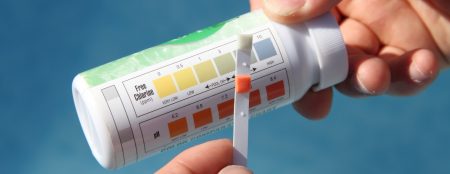
Testing for urine in pools isn’t as straightforward as one might think. While there are methods to detect its presence, they aren’t routinely used in everyday pool maintenance.
Most public facilities rely on a combination of water chemistry testing and visual inspections. The telltale signs of poor hygiene often manifest through changes in chlorine levels or the emergence of unpleasant odours.
Some advanced tests can measure specific nitrogen compounds associated with urine, such as urea. However, these tests aren’t commonly employed due to cost and practicality concerns.
Even if you can’t see it or smell it, urine may still be lurking below the surface. This highlights the importance of regular water quality assessments rather than solely focusing on detecting urine specifically.
Maintaining proper sanitation practices is crucial for all swimmers’ health and safety—urine detection should be just one part of overall pool hygiene strategies.
Public Pool vs. Private Pool: Different Considerations
When it comes to pool hygiene, public and private pools present distinct challenges. Public pools are high-traffic areas where many swimmers come together. This increases the likelihood of contaminants like urine entering the water. Pool staff typically monitor chemical levels, yet maintaining consistent sanitation can be tough.
On the other hand, private pools offer more control over cleanliness. Homeowners can establish strict rules for guests, promoting better swimming etiquette. However, they also bear full responsibility for pool maintenance and hygiene practices.
Understanding these differences helps swimmers make informed choices about their health and safety in various aquatic environments. The presence of pathogens is a risk factor in both settings; however, personal vigilance plays a crucial role at home since fewer people use these facilities daily.
Ultimately, awareness of proper hygiene practices improves overall swimming experiences whether you’re splashing around at a community facility or taking a dip in your backyard oasis.
Hygiene Best Practices: Maintaining a Clean and Healthy Pool
Maintaining a clean and healthy pool goes beyond just adding chemicals. Regular maintenance is key to ensuring swimmer safety and water quality.
Start by checking chemical levels frequently. Aim for balanced pH, chlorine, and alkalinity levels. This helps prevent the growth of harmful pathogens and reduces eye irritation caused by chloramines.
Skimming debris off the surface daily keeps your pool inviting. Leaves, insects, or dirt can introduce bacteria that compromise hygiene standards.
Don’t forget about vacuuming! Regularly cleaning the bottom of the pool removes sediment that could harbor contaminants.
Encourage swimmers to shower before entering the water. This simple practice significantly reduces impurities like sweat or urine in pools.
Lastly, consider implementing a schedule for professional deep cleaning services at least once a season. This ensures all aspects of your swimming space stay pristine and safe for everyone involved.
Debunking Myths: Separating Fact from Fiction About Pool Urine
Many swimmers believe that urine is harmless when mixed with chlorine. This is a common myth. In reality, urine reacts with chlorine to form chloramines—unpleasant byproducts that can cause eye irritation and respiratory issues.
Another misconception is the idea that everyone does it, so it’s acceptable. While it’s true that some may pee in pools, this doesn’t make it safe or hygienic.
Some people think small amounts of urine won’t affect water quality. However, even tiny quantities can introduce nitrogen compounds into the pool, disrupting its chemical balance and leading to potential health risks.
Lastly, there’s belief surrounding the notion of “urine detection.” The truth? There are no reliable tests for detecting urine specifically in pools yet; maintaining hygiene relies heavily on good practices rather than testing for contaminants like urea or other pathogens.
The Etiquette of Swimming: Respecting Shared Spaces
Swimming is often a communal activity, and with that comes the responsibility of respecting shared spaces. Whether you’re in a public pool or at a friend’s house, understanding swimming etiquette enhances everyone’s experience.
First, always shower before entering the water. This simple act helps remove dirt and oils from your body, contributing to better hygiene.
Next, be mindful of others around you. Avoid splashing excessively or engaging in disruptive behaviour that could ruin someone else’s relaxation.
If you’re using floaties or toys, ensure they don’t obstruct lanes meant for serious swimmers. Sharing space means being considerate of everyone’s enjoyment.
Lastly, keep personal belongings organized and out of walkways to prevent accidents. A little awareness can go a long way in maintaining peace and harmony in any aquatic environment.
Conclusion: The Importance of Responsible Pool Behaviour
Maintaining pool hygiene is crucial for everyone’s safety and enjoyment. Responsible behaviour around shared swimming spaces ensures that all swimmers can relax without worrying about potential health risks. Understanding the impact of urine in pools, especially how it interacts with chlorine to form harmful byproducts like chloramines, underscores why it’s essential to prioritize sanitation.
Proper hygiene practices not only enhance water quality but also minimize bacterial growth and reduce the chances of recreational water illnesses (RWIs). By respecting communal spaces and following basic etiquette—such as using restroom facilities before getting into the pool—you contribute positively to swimmer safety.
Let’s work together to keep our public pools clean and enjoyable for everyone. Whether you’re a frequent visitor at local aquatic centres or prefer private pools, being mindful of your actions plays a significant role in maintaining healthy water conditions. The next time you’re tempted to ask yourself if it’s okay to pee in the pool, remember that good habits lead to better swimming experiences for all.