
As the sun shines bright and temperatures soar, pools become a summer sanctuary for families and friends. However, behind the splashes of joy lurks a silent danger that we must confront pool safety. With drowning being one of the leading causes of accidental deaths among children, it’s vital to understand the risks associated with backyard retreats and public aquatic areas alike.
Are we doing enough to protect our loved ones from potential hazards? From proper fencing and alarms to swimming lessons and vigilant supervision, every layer counts when it comes to ensuring water safety. Dive into this essential guide on pool safety as we explore critical measures for preventing drownings, understanding regulations, navigating home versus public standards, and empowering ourselves with lifesaving skills like CPR. Let’s make each splash count while keeping safety at the forefront of our minds!
- The Silent Danger: Understanding Pool Risks
- Child Pool Safety: Protecting Our Most Vulnerable Swimmers
- Beyond the Fence: Layered Pool Safety Measures
- Home Pool Rules: Creating a Safe Backyard Oasis
- Public Pool Regulations: What You Need to Know Before You Dive In
- Navigating the Differences: Home vs. Public Pool Safety Standards
- Are Current Pool Safety Regulations Enough?
- Pool Safety Inspections: What They Look For and Why They Matter
- Maintaining a Safe Pool Environment: Chemical Handling and Equipment Checks
- Implementing Effective Pool Alarms and Barriers
- Swimming Proficiency: Ensuring Everyone is Water-Safe
- The Importance of Swimming Lessons: Building Confidence and Skills
- Supervision Readiness: Are You Prepared to Watch the Pool?
- CPR: A Lifesaving Skill Every Pool User Should Learn
- Emergency Response: What to Do in a Pool Accident
- Addressing Common Pool Safety Myths and Misconceptions
- Seasonal Pool Safety: Tips for Every Time of Year
- Staying Informed: Resources for Pool Safety Education
The Silent Danger: Understanding Pool Risks
Many people underestimate the risks associated with pools. While they may seem like a haven for fun, hidden dangers lurk beneath the surface. Drowning can happen in seconds, often silently and without warning.
In addition to drowning, pool hazards include slips and falls on wet surfaces. These accidents can lead to serious injuries that mar a perfect day at the pool. It’s crucial to recognize these potential threats before tragedy strikes.
Chemical exposure also poses significant risks. Mismanagement of pool chemicals can result in harmful reactions or unsafe water conditions, impacting both swimmers’ health and safety.
Understanding these silent dangers is essential for every pool owner and user alike. Awareness becomes our first line of defence against preventable tragedies that could disrupt lives forever.
Child Pool Safety: Protecting Our Most Vulnerable Swimmers

Children are naturally curious, which makes them particularly vulnerable around water. Every year, countless incidents remind us of the importance of child pool safety.
To protect our little swimmers, constant supervision is crucial. Never leave children unattended near pools, even for a moment. Designating a responsible adult as the “water watcher” can significantly enhance safety.
Another vital measure is teaching kids about pool rules early on. Simple guidelines like no running or diving in shallow areas can prevent many accidents and instil respect for water environments.
Adding physical barriers enhances security too. Pool fencing should be at least four feet high with self-closing gates to restrict unsupervised access effectively.
Incorporate alarms and covers into your home’s swimming area to add an extra layer of protection against potential dangers lurking when you’re not watching closely. These precautions combined create a safer environment for young swimmers eager to make memories by the poolside.
Beyond the Fence: Layered Pool Safety Measures
A fenced pool is a good start, but it’s just one layer of protection. To truly prioritize pool safety, consider adding multiple barriers and measures.
Start with self-closing gates that lock automatically. This prevents unsupervised access when the pool isn’t in use.
Next, invest in pool alarms that alert you if someone enters the water unexpectedly. These can be lifesavers during those moments when distraction occurs.
Pool covers also offer an additional layer of safety, keeping children and pets out while providing protection from debris.
Using anti-entrapment devices is essential as well. They help prevent swimmers from being trapped by suction drains – a hidden danger often overlooked.
Education plays a crucial role too; teaching children about potential hazards empowers them to understand risks associated with swimming pools better. Each measure adds up to form a comprehensive approach to safety around your backyard oasis.
Home Pool Rules: Creating a Safe Backyard Oasis
Establishing clear home pool rules is essential for a safe backyard oasis. Start with simple guidelines that everyone understands. No running, diving, or horseplay near the pool can prevent many accidents.
Designate adult supervision during swim time. This ensures someone is always watching and ready to respond if needed. Regularly remind guests about these rules to maintain awareness.
Consider implementing a buddy system for children swimming together. It encourages teamwork while promoting safety in numbers.
Also, restrict access when the pool isn’t in use by securing gates and installing proper fencing. A self-closing latch adds an extra layer of protection.
Don’t forget about maintaining cleanliness too! Keep toys out of the water when not in use to avoid distractions or hazards during swimming sessions.
Finally, be open to revisiting and adjusting your rules as necessary. Keeping safety at the forefront creates a welcoming environment where everyone can enjoy fun moments by the water.
Public Pool Regulations: What You Need to Know Before You Dive In
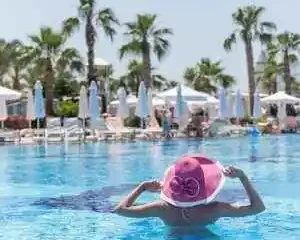
Public pools are more than just a place to cool off. They come with specific regulations designed to keep everyone safe.
Firstly, ensure that the pool complies with local health and safety standards. This includes proper sanitation practices, water quality checks, and regular maintenance schedules.
Lifeguard presence is often mandatory in larger facilities. Their role is crucial for monitoring swimmers and responding swiftly to emergencies.
Look out for signage regarding depth markings, diving restrictions, and pool rules. These guidelines help prevent accidents like diving into shallow water or overcrowding.
Accessibility features should also be checked. Ramps or lifts may be available for individuals with disabilities, promoting inclusivity in swimming activities.
Finally, you should familiarize yourself with any emergency protocols posted around the facility. Knowing how to respond can make all the difference in critical moments when seconds count.
Navigating the Differences: Home vs. Public Pool Safety Standards
When it comes to pool safety, the standards can differ significantly between home and public pools. Homeowners often have more freedom in design and maintenance but bear the ultimate responsibility for safety.
Public pools are typically subject to strict regulations set by local health departments. These rules cover everything from water quality to lifeguard staffing levels.
Home pools may not always adhere to such rigorous checks, leading some homeowners to overlook essential safety measures like proper fencing or alarms.
In contrast, public facilities frequently undergo routine inspections ensuring compliance with established safety protocols.
Both settings require effective strategies for drowning prevention and injury reduction. However, understanding their unique challenges is crucial in fostering safer swimming environments everywhere.
Are Current Pool Safety Regulations Enough?
When it comes to pool safety regulations, the question remains: are they truly sufficient? Many experts argue that while existing rules provide a framework, gaps still exist.
For instance, compliance with fencing standards is often inconsistent. Some homeowners overlook essential features like self-closing gates or latches out of reach of children. This can lead to devastating accidents.
Moreover, public awareness about drowning prevention is lacking. Even with laws in place, many people aren’t fully informed on best practices for child pool safety and supervision techniques.
Regulations around anti-entrapment devices also need scrutiny. While some pools have them installed, others do not comply or even know they should be compliant according to Australian Pool Compliance guidelines.
It’s imperative we rethink existing policies and advocate for stricter enforcement alongside continuous education efforts. A proactive approach could significantly reduce preventable drownings year after year.
Pool Safety Inspections: What They Look For and Why They Matter
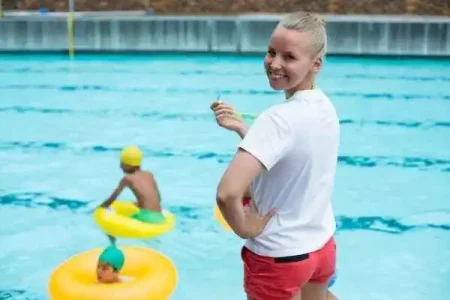
Pool safety inspections are crucial for ensuring a safe swimming environment. Inspectors focus on various aspects, from structural integrity to equipment functionality.
They examine pool fencing to confirm it meets height and gate standards. A secure barrier is vital in preventing unauthorized access, especially by children.
Another key area of inspection includes pool drains and suction outlets. Anti-entrapment devices must be in place to avoid serious injuries or drownings caused by powerful currents.
Chemical safety is also assessed during these inspections. Proper storage and handling can prevent dangerous reactions or contamination that might harm swimmers.
Additionally, inspectors check emergency equipment like life rings and first aid kits, ensuring they’re accessible when needed.
Regular inspections not only maintain compliance with local regulations but also encourage public awareness about drowning prevention strategies. By addressing potential hazards proactively, we can create a safer aquatic experience for everyone involved.
Maintaining a Safe Pool Environment: Chemical Handling and Equipment Checks
Maintaining a safe pool environment hinges on proper chemical handling and regular equipment checks. Chlorine, pH balancers, and algaecides are essential for keeping water clear and free of harmful bacteria.
Ensure that chemicals are stored in a cool, dry place away from children’s reach. Always follow the manufacturer’s instructions when adding them to your pool. Wearing protective gear is a smart choice during this process.
Regularly inspect your pool equipment as well. Look out for leaks or signs of wear in filters, pumps, and heaters. A malfunctioning pump can lead to stagnation, increasing the risk of algae growth.
Make it a habit to check skimmers too clogged skimmers decrease circulation efficiency. Consistent maintenance helps ensure both safety and enjoyment year-round while preventing avoidable hazards around the water’s edge.
Implementing Effective Pool Alarms and Barriers
When it comes to pool safety, alarms and barriers are vital. They act as the first line of defence against unexpected accidents.
Pool alarms can detect movement in or around the water. These devices alert you immediately if someone enters the pool without supervision. With options ranging from surface wave detectors to wearable alarms for kids, there’s something for every situation.
Barriers like fences should be at least four feet high and self-closing with a latch out of reach of small children. Consider installing mesh fencing that is difficult to climb but allows visibility into your yard.
Combining both measures creates an effective safety net around your pool area. Regularly check these systems to ensure they function correctly and don’t neglect any maintenance needs.
By investing in robust alarm systems and proper barriers, you’re taking significant steps towards preventing drownings and ensuring peace of mind all summer long.
Swimming Proficiency: Ensuring Everyone is Water-Safe
Swimming proficiency is a vital skill that can significantly reduce the risk of drownings. Being comfortable in the water isn’t just about splashing around; it’s about understanding safety and developing essential techniques.
Children should be introduced to swimming lessons early on. This builds their confidence and equips them with skills needed to navigate various aquatic environments. The more they practice, the better prepared they become for unexpected situations.
Adults also benefit from improving their swimming abilities. Many think they’ve mastered basic strokes but may lack knowledge on how to react in emergencies or unfamiliar settings.
Consider enrolling in local classes or workshops focused on different aspects of water safety. From breath control to diving basics, every lesson counts toward becoming a proficient swimmer.
No matter age or experience level, investing time in learning can lead to safer pool experiences for everyone involved.
The Importance of Swimming Lessons: Building Confidence and Skills
Swimming lessons are essential for building confidence in the water. They provide children and adults with the skills needed to navigate pools safely. When individuals learn how to swim, they develop a sense of independence.
Structured lessons introduce proper techniques that boost safety awareness. Participants learn about pool hazards, diving safety, and how to respond in emergencies. This knowledge is crucial for preventing drownings.
Moreover, swimming lessons foster social connections. Classes often involve groups where friendships blossom as participants share experiences and challenges together.
As swimmers progress through various levels, their self-esteem grows alongside their abilities. Mastering new strokes or overcoming fears transforms hesitation into enjoyment.
Investing time in swimming education also prepares individuals for recreational activities like boating or beach outings. The ability to swim opens doors to countless aquatic adventures while promoting overall health and fitness.
Supervision Readiness: Are You Prepared to Watch the Pool?
Supervision is the cornerstone of pool safety. It’s not just about being present; it’s about being vigilant and engaged. Are you ready to watch the water?
Distractions can arise in an instant phones, conversations, or even a good book. The key is to remain focused on your swimmers at all times. This means positioning yourself strategically for a clear line of sight.
Assigning designated supervisors can also help share the load during gatherings. Everyone should know their role, especially in larger groups with multiple children around the pool.
Understanding how quickly accidents can occur will enhance your readiness as well. Drowning often happens silently and swiftly, making prompt recognition essential.
Consider practicing scenarios where swift action is needed. Knowing what to do when things go wrong prepares you far better than simply hoping nothing will happen.
Stay alert, stay informed, and make watching over your loved ones a priority whenever they’re near water.
Recognizing Distress: How to Spot a Swimmer in Trouble
Recognizing distress in the water can be lifesaving. Swimmers often exhibit subtle signs that indicate they’re struggling. It’s crucial to stay vigilant, especially with children.
Look for erratic movements or unusual behaviours. A swimmer who is having difficulty may flail their arms or struggle to keep their head above water. Conversely, they might appear silent and stillthis can be a sign of panic.
Watch out for the “silent” distress signals too. If someone is trying to swim but isn’t making progress, it could mean they’re overwhelmed. Their face might show fear or exhaustion.
Don’t rely solely on loud splashes; many emergencies happen quietly under the surface. Stay focused and ready to act if you notice anyone exhibiting these behaviours around your pool area or at public swimming facilities. Quick recognition allows for swift action a critical factor in drowning prevention efforts.
CPR: A Lifesaving Skill Every Pool User Should Learn
Knowing CPR can make a significant difference in emergency situations, especially around pools. The ability to perform cardiopulmonary resuscitation can be lifesaving during a drowning incident.
Drowning often occurs silently and quickly. Seconds count when it comes to restoring breathing and circulation. With proper training, anyone can learn the techniques that keep someone alive until professional help arrives.
CPR courses are widely available and usually include hands-on practice with mannequins. This interactive approach builds confidence in skills like chest compressions and rescue breaths.
It’s not just about knowing how to act; it’s also about being prepared for any situation that arises at the poolside. Familiarizing yourself with DRSABC Danger, Response, send for help, Airway, Breathing, Compression can empower you to act swiftly when minutes matter most.
By learning CPR, you’re equipping yourself with vital knowledge that could save lives within your community or family gatherings by the water.
Emergency Response: What to Do in a Pool Accident
In the unfortunate event of a pool accident, every second counts. The first step is to remain calm and assess the situation quickly. If someone is in distress, call for help immediately.
If the swimmer is unconscious or not breathing, initiate CPR right away. Remember DRSABC: Danger, Response, send for help, Airway, Breathing and Circulation. This acronym can guide you through life-saving actions effectively.
For conscious individuals showing signs of trouble like struggling to stay above water reach out with a pole or throw them a flotation device instead of jumping in yourself unless it’s absolutely necessary.
Always prioritize safety by ensuring that others keep their distance from the edge while you assist. After addressing immediate concerns, get medical help even if it seems minor; injuries can escalate unexpectedly. Clear communication with emergency services about what transpired will aid responders significantly upon arrival.
Addressing Common Pool Safety Myths and Misconceptions
Many people believe that drowning can only happen in deep water. This myth is dangerous, as even shallow pools pose significant risks. It takes mere seconds for an accident to occur, regardless of the depth.
Another common misconception is that children are safe if they know how to swim. While swimming skills are essential, they don’t guarantee safety. Adult supervision remains crucial at all times.
Some assume pool fencing isn’t necessary for above-ground pools since they’re often harder to access. However, any body of water can present hazards and should have proper barriers in place.
Likewise, there’s a belief that pool alarms are unnecessary if you’re always watching the kids play nearby. Alarms add an extra layer of protection and serve as a vital alert system when distractions arise.
Lastly, many think CPR isn’t worth learning because accidents won’t happen to them. Knowing this lifesaving technique could mean the difference between life and death during emergencies.
Seasonal Pool Safety: Tips for Every Time of Year
As the seasons change, so do the safety considerations for your pool. Spring brings excitement as you prepare to open up. Ensure thorough inspections of equipment and chemical levels before diving in.
Summer is peak pool season, filled with fun under the sun. Always enforce strict supervision rules for children. Equip yourself with essential tools like pool alarms and anti-entrapment devices to enhance safety.
When autumn arrives, leaves can clutter pools, posing hazards. Regularly clean debris and check water clarity these steps prevent accidents from slips or unseen dangers lurking below the surface.
Winter poses unique challenges; ensure proper winterization techniques are applied to maintain a safe environment when not in use. Consider investing in durable covers that deter unauthorized access during colder months while protecting against harsh weather conditions.
Keep these seasonal tips handy to create a secure swimming space year-round. Your vigilance today promotes safer swims tomorrow!
Staying Informed: Resources for Pool Safety Education
Staying informed is crucial when it comes to pool safety education. With the increasing popularity of backyard pools and public swimming facilities, understanding the risks associated with water activities is essential for everyone especially parents and guardians.
Various resources are available to help you stay educated about pool hazards and drowning prevention. Organizations like the Red Cross offer courses on CPR (Cardiopulmonary Resuscitation) that can save lives in emergencies. They also provide information on swimming lessons designed to enhance skills and build confidence among swimmers of all ages.
Local health departments often share guidelines regarding Australian Pool Compliance regulations, ensuring your home or community pool meets safety standards. Websites dedicated to water safety frequently update their content with tips around child pool safety, proper supervision techniques, and effective use of anti-entrapment devices.
Additionally, consider joining local community groups focused on promoting public awareness around pool hazards. These groups may host workshops or seminars aimed at educating families about safe practices in a fun environment.
By actively engaging with these resources, you can significantly contribute to creating safer swim experiences for yourself, your family, and even your neighbour’s. Remember that knowledge is power when it comes to reducing preventable drownings and fostering a culture of water safety for everyone involved.