
Introduction

Balancing your spa’s water chemistry is crucial for clean, safe, and comfortable water. Proper balance prevents harmful bacteria, skin irritants, and equipment damage. Whether for relaxation or therapy, balanced water ensures a better experience. Without correct chemistry, water can become cloudy, corrosive, or unsafe, harming both you and your spa. This guide explains why water balance is important, how often to test your spa water, ideal chemical levels, and the role of specific chemicals. Regular testing and adjustments keep your spa water in top condition, ensuring a safe and enjoyable soak every time.
Regular testing is essential to maintain balanced spa water. Water chemistry changes over time due to factors like bather load, environmental conditions, and chemical use. Test your spa water 2-3 times a week for regular use. After heavy use, more frequent testing may be needed. Knowing the correct levels for pH, alkalinity, calcium hardness, and sanitizer helps prevent scaling, corrosion, and irritation.
By following these guidelines, you can ensure your spa remains a safe, relaxing, and well-maintained haven for years to come.
- Why is balancing spa water chemistry important?
- How often should I test and adjust my spa water chemistry?
- Recommended pH levels for spa water?
- What should the alkalinity level be in a spa?
- What is the correct calcium hardness level for spa water?
- How do I check the sanitizer levels in my spa?
- How do I shock my spa, and why is it necessary?
- Why is it important to Re-Test and Fine-Tune spa water?
- What causes cloudy water in a spa, and how do I fix it?
- Can I use pool chemicals in my spa?
- Conclusion
Why is balancing spa water chemistry important?
Balancing your spa water chemistry is crucial for maintaining a clean, safe, and comfortable soaking environment. Proper water balance ensures that harmful bacteria and microorganisms are kept in check, reducing the risk of skin irritation, eye discomfort, or even infections. It also helps protect your spa equipment from damage. Unbalanced water can cause scaling, corrosion, and clogged filters, which can lead to costly repairs and shortened spa lifespan. Additionally, balanced water improves the overall appearance of your spa, preventing cloudy or murky water.
Maintaining the correct pH, alkalinity, calcium hardness, and sanitizer levels keeps your spa water safe and inviting. Proper water chemistry enhances your spa experience and protects your investment. It ensures your spa remains a relaxing, functional oasis for years.
How often should I test and adjust my spa water chemistry?
To maintain clean, safe, and comfortable water in your spa, it’s important to test and adjust your water chemistry regularly. For most spas, testing the water 2-3 times per week is recommended, especially if the spa is used frequently. If your spa has heavy usage, such as after hosting parties, or if it’s exposed to environmental factors like rain or intense sunlight, you may need to test more often.
Key water levels to monitor include:
- pH (7.4-7.6)
- Alkalinity (80-120 ppm)
- Calcium hardness (150-250 ppm)
- Sanitizer levels (3-5 ppm for chlorine or bromine).
Additionally, for outdoor spas cyanuric acid levels between 30-50 ppm will help stabilize chlorine and prevent it from breaking down too quickly. Regular testing ensures that your spa’s water stays balanced, protects your equipment, and provides a safe, enjoyable soaking experience.
Recommended pH levels for spa water?
Maintaining ideal pH levels is crucial for your health and spa equipment longevity. The ideal pH range is 7.4 to 7.6. This slightly alkaline range ensures safe and comfortable water. Low pH (acidic water) causes skin irritation, eye discomfort, and metal corrosion, including heaters and pumps. Acidic water also reduces sanitizer effectiveness, making it harder to keep water clean and safe.
On the other hand, if the pH is too high (alkaline), it can cause scaling on the spa’s surfaces, plumbing, and equipment, leading to clogged filters and reduced water circulation. High pH can also make sanitizers less effective, leading to an increased risk of bacteria growth. Regularly testing the pH of your spa water will allow you to make timely adjustments using pH increasers (such as sodium carbonate) or pH decreases (such as sodium bisulphate). Maintaining the correct pH balance ensures crystal-clear water, prevents equipment damage, and keeps your spa experience enjoyable and safe for all users.
Tip: Adjusting pH often affects total alkalinity, so it’s a good idea to address alkalinity first, if needed, before adjusting pH.
What should the alkalinity level be in a spa?
The ideal alkalinity level for spa water should be between 80-120 ppm (parts per million). Maintaining proper alkalinity is essential for stabilizing the pH level, ensuring that the water remains balanced and comfortable. Alkalinity acts as a buffer for pH, helping to prevent rapid fluctuations that could lead to issues like skin irritation or equipment damage. When alkalinity is too low, the pH can become unstable, causing it to drop too quickly and potentially result in corrosive, acidic water. This can damage spa surfaces and internal components, such as pumps and heaters, and may lead to discomfort for users.
On the other hand, if the alkalinity is too high, it can cause the pH to rise and become difficult to adjust, leading to cloudy water and scaling on the spa’s surfaces and plumbing. High alkalinity also reduces the effectiveness of sanitizers like chlorine or bromine, potentially leading to bacteria buildup. To maintain optimal alkalinity, it’s essential to regularly test your spa water and adjust as needed. You can increase alkalinity by adding an alkalinity increaser (sodium bicarbonate) or lower it by adding a pH decrease. Consistently monitoring and adjusting your spa’s alkalinity will help protect both the water quality and your spa equipment, providing a safe, enjoyable soaking experience.
Tip: Aim to adjust TA first, as it helps stabilize pH levels and buffering capacity.
What is the correct calcium hardness level for spa water?
The ideal calcium hardness level for spa water should be between 150-250 ppm (parts per million). Calcium hardness refers to the concentration of dissolved calcium in the water and plays a crucial role in maintaining the balance of your spa’s water chemistry. If calcium hardness levels are too low, the water can become corrosive, which can damage your spa’s surfaces, plumbing, and equipment, including heaters and pumps. Corrosive water can also cause skin irritation, making your spa experience uncomfortable.
On the other hand, if the calcium hardness level is too high, it can lead to scaling. Scaling occurs when excess calcium forms deposits on the spa’s surfaces, jets, and plumbing, which can reduce water flow, clog filters, and increase the risk of costly repairs. High calcium hardness can also make it harder to maintain proper pH and alkalinity levels, complicating water maintenance.
To maintain optimal calcium hardness, it’s essential to test your spa water regularly. If your calcium hardness is too low, add a calcium hardness increaser to bring it into the ideal range. If the level is too high, partial draining and refilling your spa with fresh water may be necessary. By keeping calcium hardness within the recommended range, you can protect your spa’s equipment, improve water quality, and enhance your overall spa experience.
Tip: High calcium hardness can lead to scaling and cloudy water, so keep it within the recommended range.
How do I check the sanitizer levels in my spa?
To check the sanitizer levels in your spa, you’ll need to regularly test the water using either test strips or a liquid test kit. Sanitizer levels, such as chlorine or bromine, are crucial for keeping your spa water free from harmful bacteria, viruses, and other contaminants. For chlorine, the ideal range is typically 3-5 ppm (parts per million), while bromine should be maintained between 3-5 ppm as well.
To test the sanitizer levels, simply dip a test strip into the water and compare the color change to the reference chart provided with the strips. Alternatively, using a liquid test kit can offer more precise results by adding reagent to a water sample and observing the color change. It’s important to test your spa water 2-3 times per week or more frequently if the spa is heavily used.
If the sanitizer level is too low, add the appropriate amount of chlorine or bromine according to your spa’s size and manufacturer’s instructions. If the level is too high, stop using the spa for a period or dilute the water with fresh water to bring the sanitizer level back within the ideal range. Regularly monitoring sanitizer levels ensures clean, safe water and protects both the users and the spa equipment from damage.
Tip: Regularly check and maintain sanitizer levels to ensure effective sanitation.
How do I shock my spa, and why is it necessary?
Shocking your spa is essential for clean, safe, and balanced water. It involves adding a high dose of sanitizer, like chlorine or non-chlorine shock. This breaks down organic contaminants, including oils, sweat, lotions, and bacteria. Shocking clears cloudy water, removes odours, and prevents harmful microorganisms. It’s necessary after heavy use or when the water looks or smells bad.
To shock your spa, first, test the water to determine the current sanitizer levels. For chlorine, the recommended shock dose will be directed by your local pool company or written on the back of the bottle from manufactures recommendations based on litres of water in the pool. While non-chlorine shock may require different amounts depending on the product used. Always follow the manufacturer’s instructions for the correct dosage. Add the shock treatment directly into the spa water with the jets running to ensure thorough circulation. Allow the water to circulate for about 15-30 minutes before retesting the sanitizer levels.
Shocking your spa 1-2 times per week or after heavy use ensures that your spa stays free from harmful bacteria and contaminants, maintaining clear, fresh water. Regular shocking helps keep your spa equipment in top condition and improves the overall spa experience by promoting cleaner, safer water.
Tip: Follow the manufacturer’s recommendations for the frequency and dosage of shock treatments.
Why is it important to Re-Test and Fine-Tune spa water?
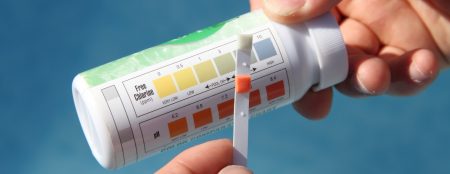
Re-testing and fine-tuning your spa water is vital for maintaining a safe, clean, and enjoyable soaking experience. After adding chemicals to adjust pH, alkalinity, calcium hardness, or sanitizer levels, re-test the water to ensure balance. This prevents over-correction, which can cause imbalances, skin irritation, eye discomfort, and reduced sanitizer effectiveness. Fine-tuning your spa water helps maintain balance and prevents scaling, cloudy water, and component corrosion. To learn how to correctly test your spa water follow our page Spa Water Testing.
Spa water chemistry can change due to factors like bather load, environmental conditions, or frequent use, making regular re-testing important. By checking key water parameters—pH (7.4-7.6), alkalinity (80-120 ppm), calcium hardness (150-250 ppm), and sanitizer levels (3-5 ppm for chlorine or bromine)—you can make precise adjustments to keep the water in optimal condition.
Regular re-testing and adjustments protect your spa equipment from wear. Imbalanced water chemistry causes scaling and corrosion. This leads to costly repairs. Consistent water monitoring ensures a safe, comfortable, and durable spa experience.
What causes cloudy water in a spa, and how do I fix it?
Cloudy spa water can be caused by poor water chemistry, inadequate sanitation, and debris buildup. Imbalanced pH or alkalinity can reduce sanitizer effectiveness. Low sanitizer levels allow bacteria and organic matter to grow, causing cloudiness. High calcium hardness leads to scaling, while low calcium hardness makes the water corrosive. Both contribute to cloudy water.
Another potential cause of cloudy spa water is the accumulation of body oils, lotions, or hair products, which can overwhelm the spa’s filtration system. Overuse or insufficient filtration cycles can also prevent the system from properly cleaning the water.
To fix cloudy water, start by testing and adjusting the pH, alkalinity, and calcium hardness levels to ensure they are within the recommended ranges. Next, shock the spa with a high-dose sanitizer to break down organic contaminants and kill any bacteria. If the cloudiness persists, clean or replace the spa filter and run the filtration system for several hours. Regular maintenance, such as proper sanitation, filtration, and regular water testing, can prevent cloudy water from occurring and keep your spa water clear and safe.
Can I use pool chemicals in my spa?
Using pool chemicals in your spa is not recommended. Spa and pool water chemistry are different. Both require sanitizers, pH adjusters, and alkalinity increasers. However, spa water is typically between 100-104°F, which affects chemical behavior. Pool chemicals are designed for larger volumes, while spas need more precise adjustments. Using pool chemicals in a spa may cause chemical imbalances. This can lead to skin irritation, cloudy water, and scaling on surfaces and equipment.
For instance, chlorine levels in a pool are typically higher than those required for spas, and using pool-grade chlorine in a spa could result in excessive sanitizer levels, which can irritate the skin and eyes. Similarly, pool algaecides and clarifiers may be too harsh for spas, damaging the spa’s equipment and plumbing.
To ensure the proper care and longevity of your spa, always use spa-specific chemicals that are designed for smaller volumes of hot water. Regular testing and adjustment of pH, alkalinity, calcium hardness, and sanitizer levels are essential to keeping your spa water safe, clean, and comfortable. Using the right products will protect your spa and enhance your overall soaking experience.
Conclusion
In conclusion, balancing the water chemistry in your spa is essential for maintaining a clean, safe, and enjoyable soaking experience. Regular testing and fine-tuning of pH, alkalinity, calcium hardness, and sanitizer levels are crucial to ensure that your spa water remains comfortable and free from harmful bacteria. By testing your water 2-3 times a week, you can prevent issues like cloudy water, scaling, or skin irritation. Using the right spa-specific chemicals is equally important, as pool chemicals are not formulated for the unique needs of spa water. Properly balancing the water not only protects your health but also prolongs the life of your spa equipment.
Whether dealing with cloudy water or adjusting your chemical levels, consistent care and attention will keep your spa in optimal condition. By following these simple steps, you can enjoy a refreshing, safe, and well-maintained spa experience every time.