
Did you know that improperly maintained spa can harbor bacteria and other microorganisms, posing serious health risks to users? Regular spa maintenance is crucial to ensure a safe and enjoyable experience.
Shocking a spa is an essential part of its maintenance, as it helps to oxidise organic matter and sanitizeize the water. However, doing it incorrectly can damage the spas components or irritate users’ skin and eyes. In this article, we will guide you through the safe and effective steps to shock your spa.
- Understanding Spa Shock Treatment
- What is spa shocking and why it's necessary
- How shock treatment works in your spa wate
- Different Types of Spa Shock Products
- When Your Spa Needs Shocking
- Essential Preparation Steps Before Shocking Your Spa
- Step-by-Step Guide to Safely Shock Your Spa
- Post-Shock Spa Care
- Protecting Spa Components During Shock Treatment
- Preventing Skin and Eye Irritation in Your Spa
- Common Mistakes When Shocking a Spa
- Maintaining Your Spa Between Shock Treatments
- Conclusion: Keeping Your Spa Safe and Clean
- FAQ
- What is spa shock and how does it work?
- How often should I shock my spa?
- Can I over-shock my spa?
- How long should I wait after shocking my spa before using it?
- What causes skin irritation in a hot tub?
- How can I prevent cloudy spa water?
- What's the difference between chlorine and non-chlorine shock?
- How do I balance my hot tub chemicals?
- Why does my hot tub smell like chlorine?
- How do I properly clean my spa filters?
Understanding Spa Shock Treatment
To keep your spa water sparkling clean and safe, understanding spa shock treatment is key. Spa shock treatment is a crucial maintenance process that helps maintain the quality of your spa water.
What is spa shocking and why it’s necessary
Spa shocking, or shock treatment, is a process designed to oxidize and eliminate organic contaminants in your spa water. It’s necessary because these contaminants can cause eye irritation, skin problems, and unpleasant odors.
The science behind oxidation
Oxidation is a chemical reaction that breaks down organic compounds, rendering them harmless. Spa shock products contain oxidizing agents that facilitate this process.
Eliminating contaminants and bacteria
By oxidizing contaminants, shock treatment helps eliminate bacteria and other microorganisms that can thrive in spa water, making it safer for users.
How shock treatment works in your spa wate
Shock treatment works by introducing a high dose of oxidizer into the spa water, which then breaks down and eliminates organic waste.
Breaking down organic compounds
The oxidizer in spa shock products breaks down organic compounds, such as sweat and body oils, into harmless components.
Restoring sanitizer effectiveness
By eliminating contaminants, shock treatment also helps restore the effectiveness of your spa’s sanitizer, ensuring that your water remains clean and safe.
Different Types of Spa Shock Products

To keep your spa water clean and clear, it’s essential to understand the different types of shock products on the market. Shock treatments are a crucial part of spa maintenance, helping to oxidize contaminants and keep the water safe for use.
Chlorine-based Shock Treatments
Chlorine-based shock treatments are a popular choice among spa owners. They are effective at sanitizing the water and removing built-up contaminants.
Dichlor and Calcium Hypochlorite Options
Dichlor and calcium hypochlorite are two common forms of chlorine-based shock treatments. Dichlor is a stabilized chlorine that doesn’t raise the pH of the water significantly, while calcium hypochlorite is a strong oxidizer that can be more irritating to skin if not used correctly.
Effectiveness and Limitations
Chlorine-based shocks are effective against a wide range of contaminants but can be harsh on skin and equipment if not used properly. It’s essential to follow the manufacturer’s instructions carefully.
Non-Chlorine Shock Options
For those looking for a gentler alternative, non-chlorine shock options are available. These products are designed to be less irritating to skin while still providing effective oxidation.
MPS (Potassium Monopersulfate) Products
MPS products are a common type of non-chlorine shock. They work by oxidizing contaminants without adding chlorine to the water.
Benefits for Sensitive Skin
Non-chlorine shocks are particularly beneficial for individuals with sensitive skin, as they reduce the risk of irritation and allergic reactions.
Bromine-based Shock Treatments
Bromine-based shock treatments are another option for spa owners, particularly those using bromine sanitizing systems.
Compatibility with Bromine Sanitizing Systems
Bromine-based shocks are designed to work in conjunction with bromine sanitizers, providing a consistent and effective sanitizing system.
Advantages in High-Temperature Water
Bromine-based shocks remain effective even in high-temperature water, making them a good choice for hot tubs and spas that are used frequently.
By understanding the different types of spa shock products available, you can make an informed decision about which one is best for your spa, ensuring clean, safe, and enjoyable water for all users.
When Your Spa Needs Shocking
To keep your spa water sparkling clean and free of contaminants, understanding when to shock it is essential. Regular maintenance is key to a safe and enjoyable spa experience.
Regular Maintenance Schedule
Establishing a regular maintenance schedule is crucial for the longevity of your spa. This includes regular testing of the water chemistry and applying shock treatments as needed.
Weekly vs. Monthly Shocking Routines
The frequency of shocking your spa depends on usage. For heavily used spas, weekly shocking may be necessary, while less frequently used spas might only require monthly treatments.
Signs Your Spa Water Needs Immediate Treatment
There are several signs that indicate your spa water needs immediate shocking. These include cloudy water, unpleasant odors, and excessive foam.
Cloudy Water, Odors, and Foam
Cloudy water is a clear indication of contamination. Unpleasant odors can signal the presence of bacteria or algae. Excessive foam can be a sign of soap residue or other contaminants.
Shocking After Heavy Usage
After a party or heavy usage, it’s essential to shock your spa to remove contaminants introduced by bathers.
Calculating Bather Load Impact
The more people using your spa, the more contaminants are introduced into the water. Calculating the bather load helps determine the amount of shock treatment needed.
Essential Preparation Steps Before Shocking Your Spa
Proper preparation is key to safely and effectively shocking your spa. Before you begin, it’s essential to understand the importance of balancing your spa’s water chemistry.
Testing and Balancing Water Chemistry
To ensure your spa water is properly balanced, you’ll need to test its chemistry. Ideal pH, alkalinity, and calcium hardness levels are crucial for effective shock treatment.
Ideal pH, Alkalinity, and Calcium Hardness Levels
Maintaining the right pH (between 7.2 and 7.8), alkalinity (between 80 and 120 ppm), and calcium hardness (between 175 and 250 ppm) is vital. Use water test strips or digital testers to check these levels.
Using Test Strips and Digital Testers Effectively
For accurate readings, follow the manufacturer’s instructions for your testing method. This ensures you’re getting a true picture of your spa’s water balance.
Gathering Necessary Supplies and Safety Equipment
Before shocking your spa, gather the necessary supplies, including measuring tools, gloves, and eye protection.
Measuring Tools, Gloves, and Eye Protection
Accurate measuring tools help you add the correct amount of shock treatment. Gloves and eye protection safeguard you against chemical splashes.
Preparing the Spa Environment
Remove any debris from the spa and clean the waterline to prevent contamination during the shock treatment.
Removing Debris and Cleaning the Waterline
Use a spa skimmer to remove floating debris and a cleaner specifically designed for spa waterlines to keep your spa clean.
Step-by-Step Guide to Safely Shock Your Spa
Maintaining a clean and healthy spa environment requires regular shocking, a process that eliminates built-up waste products. Shocking your spa is a straightforward process when done correctly, and it ensures that your spa water remains safe and pleasant to use.
Turning off the Spa Systems
Before you begin the shocking process, it’s crucial to turn off your spa’s systems. This includes the circulation pumps and heaters.
Managing Circulation Pumps and Heaters
Switching off these systems prevents any interference with the shock treatment and ensures your safety while handling the shock chemicals. Make sure to check your spa’s manual for specific instructions on how to do this safely.
Measuring the Correct Shock Dosage
To shock your spa effectively, you need to measure the correct dosage of shock treatment. This involves two key steps:
Calculating Based on Water Volume
First, determine the volume of your spa in gallons. Then, refer to the shock treatment product’s instructions to find out how much product is required per gallon. Most products provide a dosage chart or formula.
Adjusting for Water Condition
If your spa water is particularly dirty or has a strong odor, you may need to adjust the dosage accordingly. Some products recommend a higher dose for heavily contaminated water.
| Spa Water Condition | Recommended Dosage Adjustment |
| Normal | Standard dosage as per product instructions |
| Dirty or Strong Odor | 1.5 to 2 times the standard dosage |
Proper Application Techniques
Once you’ve determined the correct dosage, it’s time to apply the shock treatment. You have two main options:
Pre-dissolving vs. Direct Application
Pre-dissolving the shock treatment in a bucket of water can help prevent staining or discoloration of your spa surfaces. However, always check the product instructions for recommended application methods.
Distribution Patterns for Even Treatment
To ensure even distribution, pour the shock treatment slowly around the spa, walking around it to cover all areas. This helps in achieving uniform sanitization.
Circulation Considerations
After applying the shock treatment, you’ll need to run your spa’s jets to circulate the water and distribute the shock evenly.
When to Run Jets After Shocking
Turn on the jets about 15-30 minutes after applying the shock treatment. This delay allows the shock to start working before circulation. Run the jets for at least 30 minutes to ensure thorough distribution.
By following these steps, you can safely shock your spa, maintaining clean and safe water for your enjoyment. Regular shocking, combined with proper maintenance, will extend the life of your spa and its components.
Post-Shock Spa Care
The period after shocking your spa is vital for adjusting the water chemistry to comfortable and safe levels. Proper care during this time ensures that your spa water remains clean, clear, and safe for bathing.
How Long to Wait Before Using the Spa
One of the most common questions is how long to wait after shocking a hot tub. Generally, it’s recommended to wait at least 15-20 minutes after shocking, but this can vary depending on the type of shock treatment used and the manufacturer’s instructions.
Testing for Residual Shock Chemicals
Before using your spa, it’s essential to test for residual shock chemicals. This can be done using test strips or a water testing kit. Ensure that the levels are within the recommended range to avoid any skin or eye irritation.
Testing Water After Shocking
After the waiting period, test the water to ensure it’s safe for use. Check the sanitizer levels, pH, and alkalinity.
Verifying Sanitizer Levels Have Stabilized
Sanitizer levels should be between 3-5 ppm (parts per million) for optimal effectiveness. If the levels are too high or too low, adjust accordingly.
Adjusting Chemical Levels if Needed
Fine-tuning the chemical balance post-shock is crucial. Adjust the pH and alkalinity levels as necessary to maintain a comfortable and safe bathing environment.
Fine-Tuning pH and Alkalinity Post-Shock
A proper pH balance is between 7.2 and 7.8, while alkalinity should be between 80-120 ppm. Adjust these levels carefully to prevent corrosion or scaling.
| Chemical Parameter | Ideal Range |
| Sanitizer Level | 3-5 ppm |
| pH Level | 7.2-7.8 |
| Alkalinity | 80-120 ppm |
Protecting Spa Components During Shock Treatment
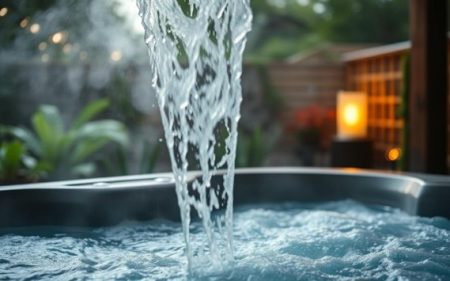
Protecting your spa’s components during shock treatment is essential for maintaining its longevity and performance. Shock treatment, while necessary for clean and safe water, can potentially damage your spa’s components if not handled correctly.
Safeguarding Filters and Heating Elements
Filters and heating elements are crucial components that require special care during shock treatment. Cleaning or replacing filters before shocking can prevent clogging and ensure the shock treatment circulates effectively.
When to Remove or Clean Filters
It’s recommended to clean or replace your spa filters before performing a shock treatment. This helps in preventing the filters from getting clogged with debris and ensures that the shock treatment works effectively.
Protecting Spa Surfaces and Seals
Spa surfaces and seals are also vulnerable to damage from shock treatment. Using the correct type and amount of shock treatment is crucial.
Preventing Chemical Damage to Acrylic and Vinyl
To prevent damage, ensure that the shock treatment is compatible with your spa’s material. Acrylic and vinyl spas require special care to avoid discoloration or degradation.
Preventing Damage to Jets and Plumbing
Jets and plumbing can be affected by concentrated chemicals during shock treatment. Ensuring proper circulation is key.
Proper Circulation to Avoid Concentrated Chemicals
Run your spa’s circulation system for at least 30 minutes after adding shock treatment to distribute the chemicals evenly and prevent damage to jets and plumbing.
By following these guidelines, you can protect your spa’s components during shock treatment, ensuring your spa remains in good condition and continues to provide a safe and enjoyable experience.
Preventing Skin and Eye Irritation in Your Spa
Skin and eye irritation can be a significant issue for spa users, making it crucial to understand its causes and prevention methods. Maintaining a comfortable and safe spa environment requires attention to the chemical balance of the water.
Understanding Chemical Sensitivity
Chemical sensitivity in spas is often related to the improper balance of sanitizers and other chemicals. Common irritants in spa water include chlorine and bromine compounds.
Common Irritants in Spa Water
Chlorine and bromine are commonly used sanitizers that can cause irritation if not properly balanced. Ensuring the correct levels of these chemicals is crucial.
Proper Chemical Balance to Prevent Irritation
Achieving a proper chemical balance is key to preventing irritation. This involves regularly testing the water and adjusting the chemical levels as needed.
The Relationship Between pH and Comfort
The pH level of the spa water significantly affects user comfort. A pH that is too high or too low can cause irritation, making regular monitoring essential.
What to Do If Irritation Occurs
If skin or eye irritation occurs, immediate action is necessary. This includes adjusting the chemical levels and ensuring the spa water is safe for use.
Immediate Steps and Water Adjustments
Adjusting the pH and sanitizer levels can help alleviate irritation. It’s also important to shock the spa to remove any built-up contaminants.
Common Mistakes When Shocking a Spa
Shocking a spa might seem straightforward, but there are several common pitfalls to watch out for. To maintain a safe and clean spa, it’s crucial to avoid these mistakes.
Overdosing Shock Chemicals
One of the most significant errors is overdosing on shock chemicals. This can lead to chemical overload, damaging your spa’s components and irritating skin.
Signs of Chemical Overload
Signs include strong chemical odors, eye irritation, and cloudy water. If you notice these symptoms, take immediate action to balance your spa’s chemistry.
Improper Timing and Frequency
Shocking your spa at the wrong time or too frequently can be counterproductive. It’s essential to create a sustainable shock schedule based on usage.
Creating a Sustainable Shock Schedule
Consider your spa’s usage patterns and adjust your shock treatment accordingly. Regular maintenance is key to a proper spa maintenance routine.
Neglecting Other Water Balance Factors
Shocking is just one part of maintaining your spa. Water balance involves total alkalinity and calcium hardness, which are equally important.
The Importance of Total Alkalinity and Calcium Hardness
These factors stabilize your spa’s pH and prevent damage to its surfaces. Regularly check and adjust these levels to maintain optimal water balance.
| Water Parameter | Ideal Range | Consequence of Imbalance |
| Total Alkalinity | 80-120 ppm | pH swings, equipment damage |
| Calcium Hardness | 175-250 ppm | Corrosion or scaling |
Maintaining Your Spa Between Shock Treatments

Between shock treatments, maintaining your spa involves several important tasks. Regular maintenance ensures that your spa remains clean, safe, and enjoyable for users. This includes checking and adjusting the sanitizer levels, cleaning the filters, and managing the bather load and contaminants.
Regular Sanitizer Maintenance
Maintaining the correct sanitizer level is crucial for keeping the spa water clean and safe. Sanitizers help kill bacteria and other pathogens that can cause illness.
Daily and Weekly Chemical Checks
It’s essential to check the sanitizer levels daily and adjust as necessary. Weekly checks should also be performed to ensure that other chemical levels, such as pH and alkalinity, are within the recommended ranges.
Filter Cleaning Schedule
Filters play a critical role in keeping the spa water clean by trapping dirt and debris. Regular cleaning and maintenance of these filters are necessary.
Rinse, Deep Clean, and Replacement Timing
Filters should be rinsed regularly to remove debris. A deeper clean should be performed periodically, following the manufacturer’s instructions. Knowing when to replace the filters is also important for maintaining water quality.
Managing Bather Load and Contaminants
The bather load, or the number of people using the spa, can significantly impact water quality. Managing this load and minimizing contaminants introduced by bathers is crucial.
Shower-Before-Spa Policies
Implementing a shower-before-spa policy can help reduce the amount of dirt and contaminants that enter the water.
Controlling Lotions, Oils, and Cosmetics
Encouraging users to avoid lotions, oils, and cosmetics before using the spa can also help maintain water quality.
| Maintenance Task | Frequency | Importance |
| Sanitizer Level Check | Daily | High |
| Filter Rinsing | Weekly | High |
| Deep Clean Filters | Monthly | Medium |
Conclusion: Keeping Your Spa Safe and Clean
Maintaining a safe and clean spa requires a proper understanding of how to shock it effectively. By following the essential steps outlined in this guide, you can ensure your spa remains a healthy and enjoyable environment for relaxation.
To keep your spa in optimal condition, it’s crucial to adhere to a regular maintenance routine. This includes testing and balancing water chemistry, cleaning filters, and shocking the spa as needed. By doing so, you’ll be able to enjoy a safe and relaxing experience every time you use your spa.
Remember, safely shocking your spa is just one part of overall maintenance. By combining this process with regular sanitizer checks and proper chemical balance, you’ll be able to enjoy a clean and inviting spa experience. Follow this ultimate guide to learn more about how to properly care for your spa and ensure it remains a haven for relaxation.
FAQ
What is spa shock and how does it work?
Spa shock is a treatment used to oxidize and remove contaminants, bacteria, and organic compounds from spa water. It works by breaking down these unwanted substances, restoring the effectiveness of the sanitizer, and helping to maintain clean and safe water.
How often should I shock my spa?
The frequency of shocking your spa depends on usage. As a general rule, it’s recommended to shock your spa weekly or after heavy usage. You should also shock your spa if you notice cloudy water, odors, or foam.
Can I over-shock my spa?
Yes, overdosing on shock chemicals can damage your spa’s components and cause skin irritation. Always follow the manufacturer’s instructions for the correct dosage, and test your water after shocking to ensure the chemical levels are within the recommended range.
How long should I wait after shocking my spa before using it?
It’s generally recommended to wait until the shock treatment has been fully absorbed and the sanitizer level has returned to the recommended range. This can take anywhere from a few hours to overnight, depending on the type and amount of shock used.
What causes skin irritation in a hot tub?
Skin irritation in a hot tub can be caused by improper chemical balance, particularly if the pH is too high or too low, or if there are high levels of chlorine or other sanitizers. Contaminants and bacteria in the water can also cause irritation.
How can I prevent cloudy spa water?
To prevent cloudy spa water, maintain a regular sanitizer and shock treatment schedule, ensure proper filtration, and monitor your water chemistry. Regularly cleaning your filters and maintaining the correct water balance will also help.
What’s the difference between chlorine and non-chlorine shock?
Chlorine-based shock treatments contain chlorine or chlorine-releasing compounds, while non-chlorine shock treatments use alternative oxidizers like potassium monopersulfate (MPS). Chlorine shock is effective but can be harsh on skin and surfaces, whereas non-chlorine shock is gentler and suitable for sensitive skin.
How do I balance my hot tub chemicals?
Balancing your hot tub chemicals involves testing your water regularly and adjusting the pH, alkalinity, and sanitizer levels as needed. It’s essential to follow a routine maintenance schedule and make adjustments based on test results.
Why does my hot tub smell like chlorine?
A strong chlorine smell can indicate an imbalance in your water chemistry, particularly if there’s too much chlorine or if the pH is off. It could also be due to the presence of contaminants that react with chlorine. Shocking your spa and adjusting your sanitizer levels can help alleviate the issue.
How do I properly clean my spa filters?
Cleaning your spa filters involves rinsing them regularly and performing a deeper clean every 1-3 months, depending on usage. You should also replace your filters as recommended by the manufacturer to ensure optimal filtration and water quality.