
Expert Advice on Diagnosing and Clearing Hazy Pool Water
A sparkling, clear swimming pool is the pride of any homeowner and the centrepiece of backyard leisure, especially in the sun-kissed climate of Australia. Yet, for many pool owners, maintaining that pristine, inviting blue can be a challenge—especially when the water turns cloudy or hazy for no apparent reason. Cloudy pool water is a common issue that can diminish the enjoyment of your pool, signal underlying problems, and even pose health risks if left unaddressed. This article delves deeply into the causes, solutions, and preventative measures to help you understand and tackle cloudy pool water with confidence.
What Does Cloudy Pool Water Mean?
Cloudy or hazy water is characterised by a lack of clarity that can range from a slight milkiness to an opaque, almost murky appearance where the pool floor is barely visible. This phenomenon occurs when small particles remain suspended in the water, scattering light and reducing transparency. While it might seem like a superficial concern, persistently cloudy pool water often points to imbalances or issues in your pool’s ecosystem that require attention.
Main Causes of Cloudy Pool Water
A multitude of factors can contribute to cloudy water. Understanding the root causes is essential for effective remediation. The following are the most prevalent reasons pool water loses its clarity:
Imbalanced Water Chemistry
Proper chemical balance is the cornerstone of clean, clear pool water. The primary parameters to monitor are:
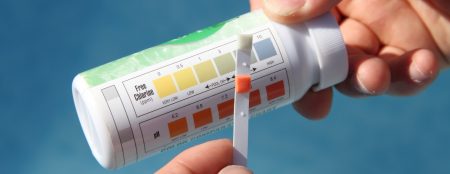
- pH: The ideal range for pool water is 7.2–7.6. If pH strays too high or too low, it can reduce chlorine’s effectiveness and encourage scaling or corrosion.
- Chlorine: Sanitiser levels should be maintained between 1–3 ppm (parts per million). Low chlorine allows bacteria and algae to flourish, causing cloudiness.
- Total Alkalinity: This should be kept between 80–120 ppm. Alkalinity acts as a buffer for pH, helping to stabilise it. Too much or too little can affect water clarity.
- Calcium Hardness: 200–400 ppm is recommended. Excess hardness can lead to cloudy water and scaling, while too little can erode pool surfaces.
- Cyanuric Acid (Stabiliser): 30–50 ppm is optimal for outdoor pools, protecting chlorine from sunlight. Over-stabilisation, however, can reduce chlorine efficacy.
If even one of these parameters is out of range, the water’s ability to stay clear is compromised. Regular testing and adjustment are vital.
Poor Filtration or Circulation
The filtration system is your pool’s primary defence against particulate contamination. Filters (sand, cartridge, or DE) remove dirt, organic material, and microscopic particles. If the filter is clogged, undersized, or not run for adequate periods (generally 8–12 hours daily), debris will accumulate, resulting in a cloudy appearance. Poor circulation—due to malfunctioning pumps or blocked returns—prevents water from passing through the filter, compounding the problem.
High Levels of Contaminants
Environmental factors can quickly overload your pool’s sanitising and filtration systems. Common sources include:
- Heavy rainfall washing soil, dust, and debris into the pool
- Nearby construction or landscaping sending fine particulates airborne
- Organic matter such as leaves, pollen, insects, and bird droppings
- Excess swimmers introducing sweat, sunscreen, makeup, and oils
When contaminants outpace your pool’s ability to filter and sanitise, the water will become visibly dull or cloudy.
Algae Growth
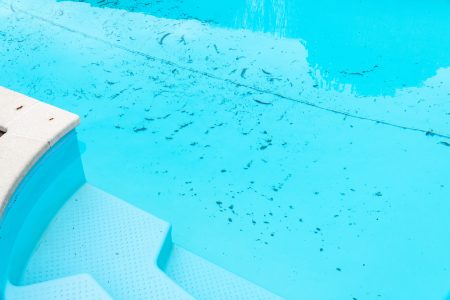
Algae are microscopic plant-like organisms that thrive in warm, under-chlorinated water. While green algae are notorious for turning pools an unmistakable shade, early blooms may present as a slight haze or dullness. This subtle form can precede a major outbreak if not addressed promptly. Algae not only cloud the water but also contribute to slippery surfaces and increased demand on sanitising chemicals.
High Calcium Hardness
Australian water supplies often contain high calcium levels. When the pool water becomes oversaturated (especially at high temperatures or pH), calcium can precipitate out as fine, insoluble particles, making the water cloudy. Over time, this leads to scaling on pool surfaces, ladders, and inside pipes—potentially causing damage if untreated.
Environmental Factors
Australia’s climate exposes pools to a host of environmental stressors. Dust storms, bushfire ash, heavy winds, and even drought conditions can introduce ultrafine particles into your pool. These particles are often too small for the filter to capture efficiently, resulting in persistent haze.
Diagnosing the Cause of Cloudy Water
To restore clarity, it’s important to identify the specific cause. Begin with these steps:
- Test Water Chemistry: Use a comprehensive test kit to check levels for pH, chlorine (free and total), alkalinity, calcium hardness, and cyanuric acid.
- Inspect the Filtration System: Ensure your pump is operating and the filter is clean and not overdue for replacement or backwashing.
- Look for Visible Contaminants: Skim the surface and check for debris, algae, or sediment accumulations.
- Assess Recent Events: Think about recent heavy pool use, storms, or landscaping work that might have introduced extra contaminants.
By methodically checking each factor, you can pinpoint the issue and apply targeted solutions.
How to Clear Cloudy Pool Water
Once you have an idea of what’s causing the problem, these steps will help return your pool to its sparkling best:
Test and Balance Your Water
- Use a reliable pool test kit to measure chemical levels.
- Adjust pH, chlorine, alkalinity, and calcium hardness to recommended ranges as detailed above.
- Shock the pool with chlorine if free chlorine levels are low, especially after heavy rain or usage.
Clean or Backwash the Filter
- Remove and thoroughly clean cartridge filters with a dedicated cleaner.
- For sand or DE filters, perform a backwash as recommended by the manufacturer until the waste water runs clear.
- Replace filters that are old or deteriorating—they may no longer capture fine particles effectively.
Remove Debris
- Skim the water surface daily to remove leaves, insects, and floating debris.
- Vacuum the pool floor and brush pool walls at least weekly to disrupt algae and remove embedded dirt.
Shock the Pool

- If the water is very cloudy or after a major contamination event (heavy rain, party, etc.), perform a chlorine shock. This is done by adding a large dose of chlorine to rapidly oxidise organic contaminants and kill algae.
- Follow package instructions for dosage, and keep the pump running to circulate the water thoroughly.
Run the Pump for Longer Periods
- Increase the filtration time to at least 12–24 hours per day when troubleshooting cloudy water—sometimes continuous operation over several days is necessary.
- Ensure all jets and returns are open and unobstructed to maximise circulation.
Use a Pool Clarifier or Flocculant
- Pool clarifiers are chemical agents that gather small suspended particles into larger clusters, making them easier for the filter to catch.
- Flocculants sink particles to the pool bottom, where they can be vacuumed up. Use with caution and follow instructions precisely.
Check and Adjust Your Backwash Routine
- Backwashing should be done only when the filter’s pressure gauge rises by 8–10 psi above clean baseline, not excessively, as too frequent backwashing can reduce filter efficiency.
Address Persistent Algae
- If algae are present, brush vigorously, shock the pool, and consider algaecide treatments. Keep chlorine levels elevated until the water clears.
Seek Professional Help When Needed
- If the cloudiness persists despite following these steps, consult a local pool professional. They can perform advanced diagnostics and check for hidden issues like filter media breakdown or hidden leaks.
Preventing Cloudy Pool Water
Regular upkeep is your best defence. Here are proactive steps to keep your pool crystal clear year-round:
- Maintain a consistent cleaning schedule—skim, vacuum, and brush at least weekly.
- Check and balance water chemistry every week, and after heavy rainfall or intense pool use.
- Ensure the filtration system is the right size for your pool and is serviced according to the manufacturer’s recommendations.
- Replace filter sand, cartridges, or DE grids as required (typically every 2–5 years, depending on usage).
- Encourage swimmers to shower before entering to minimise introduction of oils and contaminants.
- Keep landscaping trimmed and use pool covers when not in use to limit debris entry.
Conclusion
Cloudy or hazy pool water is a manageable but important sign that your pool needs attention. By understanding the common causes—imbalanced chemistry, poor filtration, contaminants, algae, or environmental factors—you can take action to restore and preserve water clarity. Regular testing, diligent cleaning, and proper maintenance are the keys to a beautiful, healthy pool that’s always ready for a swim. Remember: if you’ve tried all these steps and your water still isn’t clear, don’t hesitate to reach out to a pool professional for expert help. With a proactive approach, you’ll enjoy sparkling water and peace of mind all season long.
Frequently Asked Questions (FAQs)
How long does it take to clear cloudy pool water?
Depending on the severity of the cloudiness and the effectiveness of the corrective steps, water can clear within a few hours to several days. Persistent cloudiness typically means one or more underlying factors have not been fully addressed.
Is cloudy pool water safe to swim in?
It’s best to avoid swimming in cloudy water. Poor visibility increases the risk of accidents, and the underlying cause may be related to bacteria, algae, or chemical imbalances that could irritate skin and eyes or cause illness.
Will pool clarifiers fix cloudy water?
Clarifiers help bind tiny particles so that the filter can remove them, but they won’t resolve underlying issues like poor chemistry or filtration. They are a useful supplement to your pool maintenance routine, not a substitute for it.
Can cloudy water be a sign of a bigger problem?
Sometimes, yes. Chronic or sudden cloudiness can point to failing equipment, undetected leaks, or even contamination from external sources. If standard remedies don’t work, a specialist should inspect your pool system.