
Proper storage of chemicals during the off-season is crucial to prevent degradation and potential hazards. Safe storage practices not only prolong the life of your chemicals but also ensure a safe environment for you and your family.
As the season comes to a close, it’s essential to follow a proper guide for storing chemicals. This includes understanding the specific storage requirements for different types of chemicals and taking necessary precautions to prevent accidents.
Key Takeaways
- Understand the importance of proper chemical storage
- Learn how to store chemicals safely during the off-season
- Discover the specific storage requirements for different chemicals
- Take necessary precautions to prevent accidents
- Ensure a safe environment for you and your family
Understanding Pool Chemicals and Their Properties
Understanding the different types of pool chemicals and their properties is crucial for safe storage and use. Pool chemicals are designed to maintain a safe and healthy swimming environment, but their effectiveness and safety depend on proper handling and storage.
Common Types of Pool Chemicals
Pool chemicals can be broadly categorized into several types, including:
- Chlorine-based disinfectants
- pH adjusters (acids and bases)
- Algaecides
- Clarifiers
Each type has its specific function and properties. For instance, chlorine-based products are used for disinfection, while pH adjusters are used to maintain the optimal pH range for swimming.
Chemical Properties and Reactions
The chemical properties of pool chemicals, such as their reactivity and stability, play a significant role in their storage. For example, chlorine products can release toxic gases when mixed with certain other chemicals. Understanding these properties helps in preventing dangerous chemical reactions.
Why Proper Storage Matters
Proper storage of pool chemicals is essential to prevent accidents and maintain their effectiveness. Improper storage can lead to chemical degradation, dangerous reactions, and even fires or explosions. By storing pool chemicals correctly, you can ensure a safe environment for swimmers and prevent potential hazards.
Key benefits of proper storage include:
- Prevention of chemical accidents
- Maintenance of chemical effectiveness
- Reduced risk of fires and explosions
Potential Hazards of Improper Chemical Storage
The risks associated with poorly stored pool chemicals are multifaceted, impacting both human safety and the environment. When pool chemicals are not stored according to the recommended guidelines, they can become hazardous, leading to various issues.
Chemical Degradation Risks
Chemical degradation is a significant risk when pool chemicals are not stored properly. Exposure to heat, moisture, or light can cause chemicals to degrade, reducing their effectiveness or making them dangerous. For instance, chlorine products can release toxic gases when exposed to heat or mixed with other chemicals.
Safety Hazards to People and Pets
Improperly stored pool chemicals pose significant safety hazards to people and pets. Accidental ingestion or exposure to degraded chemicals can lead to serious health issues, including burns, respiratory problems, or other acute conditions.
Environmental Concerns
The environmental impact of improperly stored pool chemicals should not be underestimated. Chemicals can leak into the soil or waterways, contaminating local ecosystems. This can have long-term effects on wildlife and water quality.
To mitigate these risks, it’s essential to follow proper storage guidelines. Some key considerations include:
- Storing chemicals in a cool, dry place away from direct sunlight.
- Keeping chemicals in their original containers with labels intact.
- Avoiding the storage of incompatible chemicals together.
General Principles for Safe Pool Chemical Storage
Proper storage of pool chemicals is crucial for maintaining a safe and healthy environment around the pool area. This involves understanding and implementing several key principles that help in preventing accidents and ensuring the longevity of the chemicals.
Temperature and Humidity Considerations
Pool chemicals should be stored in a cool, dry place. High temperatures can cause chemicals to degrade or become volatile, while high humidity can lead to clumping or unwanted chemical reactions. It’s essential to maintain a consistent temperature below 80°F (27°C) and humidity levels below 60%.
Ventilation Requirements
Adequate ventilation is critical in chemical storage areas to prevent the accumulation of fumes or gases that could be hazardous. Ensure that the storage area is well-ventilated, either naturally or through mechanical means, to keep the air fresh and reduce the risk of inhaling harmful substances.
Organizing Your Chemical Storage Area
Organizing the chemical storage area is vital for safety and efficiency. Use sturdy, chemical-resistant containers and shelving. Label all containers clearly, and ensure that they are tightly sealed. Store chemicals in their original containers whenever possible, and keep them away from incompatible substances.
| Storage Factor | Recommendation | Benefit |
|---|---|---|
| Temperature | Below 80°F (27°C) | Prevents chemical degradation |
| Humidity | Below 60% | Reduces clumping and unwanted reactions |
| Ventilation | Adequate airflow | Prevents accumulation of hazardous fumes |
By following these general principles, you can create a safe and effective storage system for your pool chemicals, minimizing risks and ensuring a safe environment for everyone.
Storing Chlorine Products Safely
Chlorine, in its various forms, is essential for pool sanitation, yet its storage poses significant safety risks if not handled correctly. Proper storage of chlorine products is not just about maintaining their effectiveness; it’s also crucial for preventing accidents and ensuring a safe environment around your pool.
Liquid Chlorine Storage Guidelines
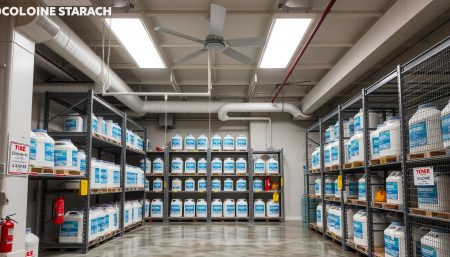
Liquid chlorine, being a strong oxidizer, requires careful storage to prevent degradation and potential hazards. Store it in a cool, dry, well-ventilated area away from direct sunlight and heat sources. Ensure the container is tightly sealed and kept upright to prevent leakage.
Chlorine Tablet and Granular Storage
Chlorine tablets and granules are commonly used for pool sanitation due to their convenience and effectiveness. Store these products in their original containers, tightly sealed, and in a dry, well-ventilated area. Avoid storing them near or with other chemicals that could react with chlorine.
Preventing Chlorine Gas Formation
One of the most significant risks associated with chlorine storage is the formation of chlorine gas, which can occur when chlorine products come into contact with certain other chemicals or are exposed to heat or moisture. To mitigate this risk, store chlorine products away from acids, ammonia, and other incompatible substances.
| Chlorine Product | Storage Considerations | Safety Precautions |
|---|---|---|
| Liquid Chlorine | Cool, dry, well-ventilated area | Avoid direct sunlight, heat sources |
| Chlorine Tablets/Granules | Dry, well-ventilated area, original containers | Avoid mixing with other chemicals |
By following these guidelines, you can ensure the safe storage of chlorine products, minimizing risks to people, pets, and the environment. Always refer to the product label for specific storage instructions and take necessary precautions to prevent accidents.
Acid and pH Adjustment Chemical Storage
Proper storage of acid and pH adjustment chemicals is crucial for maintaining a safe and healthy pool environment. These chemicals are essential for adjusting the pH levels of your pool water, but they can be hazardous if not handled correctly.
Muriatic Acid Storage Requirements
Muriatic acid, a common pH adjuster, requires careful storage. It should be kept in a well-ventilated area, away from direct sunlight and moisture. According to safety guidelines, “Muriatic acid should be stored in a tightly sealed container, in a cool, dry place, and out of reach of children and pets.”
“Store muriatic acid in its original container and ensure the lid is tightly closed after each use.”
It’s also important to check the container regularly for any signs of damage or corrosion.
Dry Acid Storage Considerations
Dry acid, another popular pH adjuster, has different storage needs. It should be stored in a dry, well-ventilated area, away from incompatible substances like chlorine products. Always keep dry acid in its original packaging to maintain its effectiveness and prevent contamination.
pH Increaser Storage
pH increasers, used to raise the pH of pool water, should be stored in a cool, dry place. It’s essential to keep them away from moisture to prevent clumping and degradation. Ensure that the storage area is well-ventilated to prevent the buildup of dust, which can be a respiratory hazard.
Algaecides, Clarifiers, and Other Pool Maintenance Chemicals
Maintaining a clean and safe pool involves more than just chlorine; it also requires the proper use of algaecides, clarifiers, and other specialty chemicals. These products play a crucial role in ensuring the water remains clear, free of algae, and safe for swimmers.
Specialty Chemical Storage Guidelines
When storing algaecides and clarifiers, it’s essential to follow the manufacturer’s instructions. Generally, these chemicals should be kept in a cool, dry place, away from direct sunlight and moisture. Proper storage containers are crucial; they should be tightly sealed and made of materials compatible with the chemical being stored.
Compatibility with Other Products
The compatibility of algaecides and clarifiers with other pool chemicals is a significant concern. Never store incompatible chemicals together, as this can lead to dangerous reactions. Always check the labels or consult with a pool professional to ensure safe storage practices.
Shelf Life Considerations
Like all chemicals, algaecides and clarifiers have a limited shelf life. Check the expiration dates regularly and dispose of any chemicals that are past their prime. Using expired chemicals can be ineffective or even dangerous, potentially leading to pool contamination or safety hazards.
By following these guidelines, pool owners can ensure the safe and effective storage of algaecides, clarifiers, and other specialty chemicals, contributing to a well-maintained and safe swimming environment.
Ideal Storage Locations for Pool Chemicals
When it comes to storing pool chemicals, selecting the right location is crucial for safety and effectiveness. The storage area should be designed to protect the chemicals from environmental factors that could cause them to degrade or become hazardous.
Indoor vs. Outdoor Storage Options
Indoor storage is generally preferred for pool chemicals because it provides protection from the elements, such as direct sunlight and extreme temperatures. However, if indoor storage is not feasible, outdoor storage areas should be designed with protective measures, such as shading and ventilation, to mitigate these risks.
Using a Dedicated Chemical Shed
A dedicated chemical shed is an ideal storage solution for pool chemicals. These sheds are specifically designed to provide a safe and secure environment, with features such as ventilation systems and protective coatings to prevent chemical reactions with the storage materials.
Climate-Controlled Storage Solutions
For maximum protection, climate-controlled storage solutions can be used. These storage areas maintain a consistent temperature and humidity level, which is ideal for storing sensitive pool chemicals. This type of storage can help extend the shelf life of the chemicals and prevent degradation.
By choosing the right storage location, pool owners can ensure their chemicals remain effective and safe to use throughout the season.
Seasonal Pool Chemical Storage Strategies
To keep your pool in top condition year-round, understanding seasonal pool chemical storage strategies is essential. As the seasons change, the way you store your pool chemicals must adapt to ensure safety, effectiveness, and longevity of your pool.
Preparing Chemicals for Winter Storage
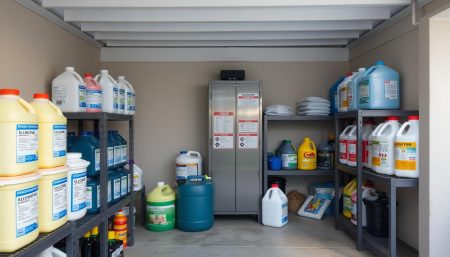
Before winter sets in, it’s crucial to prepare your pool chemicals for storage. This involves checking the expiration dates of your chemicals and disposing of any that are expired or have degraded. Store chemicals in a cool, dry place, away from direct sunlight and moisture. Ensure that all containers are tightly sealed and properly labeled.
Monitoring During Off-Season
During the off-season, it’s essential to monitor your stored chemicals periodically. Check for signs of leakage, degradation, or container damage. Regular monitoring can prevent accidents and ensure that your chemicals remain effective.
Spring Chemical Inventory Assessment
As spring approaches, assess your chemical inventory to determine what needs replenishment. Make a list of the chemicals you need to purchase and check their compatibility before storing them together. Proper planning ensures you’re ready for the new pool season.
| Season | Storage Strategy | Key Actions |
|---|---|---|
| Winter | Prepare chemicals for storage | Check expiration dates, store in cool dry place |
| Off-Season | Monitor stored chemicals | Check for leakage, degradation, container damage |
| Spring | Assess chemical inventory | Replenish stock, check compatibility |
Chemical Compatibility and Separation Requirements
Proper storage of pool chemicals requires a deep understanding of their compatibility to prevent hazardous reactions. When different chemicals are stored together, there’s a risk of unwanted chemical reactions, which can lead to fires, explosions, or the release of toxic gases.
Which Chemicals Cannot Be Stored Together
Certain pool chemicals are incompatible and should never be stored together. For example, chlorine products and acids should be kept separate because mixing them can produce chlorine gas, a toxic substance. Similarly, storing oxidizers near organic materials or other chemicals that can fuel a fire can lead to dangerous situations.
Creating Safe Separation Systems
To ensure safety, it’s crucial to create a separation system for your pool chemicals. This can involve using separate, well-ventilated storage areas or compartments within a storage shed. Segregating chemicals by their hazard class is a practical approach to minimizing risks.
Using Chemical Compatibility Charts
Chemical compatibility charts are invaluable tools for determining which chemicals can be stored together safely. These charts provide a quick reference guide to the compatibility of different substances, helping you make informed decisions about storage. By consulting a compatibility chart, you can plan your storage layout to minimize the risk of adverse chemical reactions.
By understanding and implementing these chemical compatibility and separation requirements, you can significantly reduce the risks associated with storing pool chemicals.
Disposing of Old or Expired Pool Chemicals Safely
Disposing of old or expired pool chemicals requires careful consideration to prevent accidents and environmental harm. Pool owners must be aware of the proper procedures to follow when dealing with these hazardous materials.
Identifying Degraded Chemicals
The first step in safe disposal is identifying which chemicals are degraded or past their expiration date. Check the labels for expiration dates or look for visible signs of degradation, such as clumping, discoloration, or an unusual odor. Always handle potentially hazardous chemicals with care, wearing protective gear like gloves and goggles.
Local Disposal Regulations
Before disposing of any chemicals, it’s crucial to familiarize yourself with local disposal regulations. Many communities have specific guidelines for handling hazardous waste, including pool chemicals. Contact your local waste management agency to understand the procedures and facilities available for safe disposal.
Environmentally Responsible Disposal Methods
Environmentally responsible disposal methods are essential to prevent harm to the environment and public health. Consider participating in community hazardous waste collection events or using a household hazardous waste collection facility. Never dispose of pool chemicals down the drain or in the trash, as this can contaminate waterways and soil.
By following these guidelines, pool owners can ensure the safe disposal of old or expired pool chemicals, protecting both their community and the environment.
Conclusion: Ensuring Year-Round Pool Chemical Safety
Safe pool chemical storage is crucial for maintaining a secure and healthy swimming environment throughout the year. By following the guidelines outlined in this ultimate guide, you can ensure year-round safety for your family and friends.
Your guide to safe pool chemical storage involves understanding the properties of different chemicals, storing them in a well-ventilated area, and keeping them away from incompatible substances. Regularly inspecting your chemical storage area and disposing of old or expired chemicals properly are also essential steps in maintaining pool chemical safety.
By implementing these best practices, you can prevent accidents, reduce the risk of chemical degradation, and protect the environment. Remember, safe pool chemical storage is a year-round responsibility that requires attention to detail and a commitment to safety.
By taking the necessary precautions and staying informed, you can enjoy a safe and healthy swimming experience all year round.
FAQ
What is the proper way to store pool chemicals?
Pool chemicals should be stored in a cool, dry, well-ventilated area, away from direct sunlight and moisture. They should be kept in their original containers, tightly sealed, and organized by type to prevent chemical reactions.
Can you store pool chemicals in a shed?
Yes, you can store pool chemicals in a shed, but it must be a well-ventilated, dry, and secure location. The shed should be away from living areas and ideally dedicated to chemical storage to prevent cross-contamination with other items.
How long do pool chemicals last?
The shelf life of pool chemicals varies depending on the type and storage conditions. Generally, most pool chemicals last between one to three years if stored properly. Always check the expiration dates and the condition of the chemicals before use.
How do you dispose of old pool chemicals?
Disposing of old pool chemicals requires following local regulations and guidelines. Typically, you should take them to a hazardous waste disposal facility. Never dispose of pool chemicals down the drain or in regular trash.
How can you prevent pool chemicals from degrading?
To prevent degradation, store pool chemicals in a cool, dry place, away from direct sunlight. Keep them in their original containers, tightly sealed, and ensure good ventilation in the storage area.
Why is it important to store chlorine and acid separately?
Chlorine and acid should be stored separately because they can react violently when combined, releasing hazardous gases. Storing them apart prevents accidental mixing and reduces the risk of chemical reactions.
What are the dangers of improper pool chemical storage?
Improper storage can lead to chemical degradation, accidents, and environmental contamination. It can also result in safety hazards to people and pets, including skin and eye irritation, respiratory issues, and other health problems.
How can you keep pool chemicals away from children and pets?
Store pool chemicals in a secure, locked cabinet or shed that is inaccessible to children and pets. Ensure the storage area is well-ventilated and clearly labeled to warn others of the potential hazards.
What are the best practices for storing algaecides and clarifiers?
Store algaecides and clarifiers according to their specific instructions, typically in a cool, dry, well-ventilated area. Keep them in their original containers and ensure they are compatible with other stored chemicals.
How should you prepare pool chemicals for winter storage?
Before storing pool chemicals for winter, check their condition and expiration dates. Store them in a dry, well-ventilated area, protected from freezing temperatures and moisture. Organize and label them clearly for easy access in the spring.