
Imagine stepping outside after a long day, the sun setting on the horizon, and sinking into warm, bubbling water. Whether you call it a hot tub or a spa, that moment of bliss is hard to beat. But hold on—are they really the same thing? While many use these terms interchangeably, there are subtle yet significant differences that can affect your choice when looking for relaxation or therapy at home.
If you’re contemplating adding one of these luxurious features to your backyard oasis but feel confused by all the jargon floating around, you’re not alone. Let’s dive into what makes a hot tub distinct from a spa so you can make an informed decision tailored to your lifestyle and needs!
- Defining the Terms: What Exactly Is a Hot Tub?
- Defining the Terms: Unpacking What Constitutes a Spa
- Key Distinctions: Hot Tub vs. Spa at a Glance
- Purpose and Primary Use: Relaxation vs. Therapy & More
- Construction and Installation: Portability vs. Permanence
- Jet Systems: Focusing on Power and Variety
- Features and Add-ons: Beyond the Basics
- Temperature Control: Precision and Range
- Maintenance Requirements: What It Takes to Keep Them Running
- Cost Considerations: Initial Investment and Ongoing Expenses
- The "Jacuzzi" Factor: Clearing Up the Brand Name Confusion
- Are All Spas Heated? Debunking Common Myths
- Choosing the Right Option for You: Key Considerations
- Hot Tub or Spa: Which One Fits Your Lifestyle and Needs?
Defining the Terms: What Exactly Is a Hot Tub?

A hot tub is a large tub or small pool filled with heated water, designed primarily for relaxation and enjoyment. They often come equipped with powerful jets that provide soothing massages while you unwind.
Hot tubs can be portable or built into your backyard space. The portable versions are perfect for those who want flexibility, allowing you to move them as needed.
Typically, hot tubs are made from materials like acrylic or fiberglass and can accommodate multiple people at once. Their primary goal? Pure leisure.
Many homeowners appreciate that a hot tub offers an inviting social atmosphere, making it ideal for gatherings. Whether you’re soaking alone after a long day or sharing laughter with friends, the essence of a hot tub centers around comfort and casual indulgence in warm water therapy.
Defining the Terms: Unpacking What Constitutes a Spa
A spa is often seen as a sanctuary for relaxation and rejuvenation. It typically refers to a facility or area dedicated to wellness treatments that promote physical and mental well-being.
Spas can vary widely in their offerings. Many focus on hydrotherapy, using water for therapeutic purposes. This might include features like saunas, steam rooms, and treatment pools designed specifically for health benefits.
The atmosphere at a spa is usually tranquil, with soothing music and serene decor enhancing the overall experience. Services range from massages to facials, body scrubs, and more specialized treatments aimed at specific ailments.
While some spas offer heated soaking options similar to hot tubs, they generally encompass a broader approach to wellness—integrating various therapeutic techniques beyond simple relaxation. Different types of spas exist too—day spas are common for short visits while resort spas cater to guests looking for an extended retreat focused on holistic care.
Key Distinctions: Hot Tub vs. Spa at a Glance
When comparing a hot tub vs spa, it’s essential to recognize their unique characteristics.
Hot tubs are typically portable and often made of acrylic or wood. They’re designed for casual relaxation with family and friends. Their primary goal is comfort and enjoyment.
On the other hand, spas tend to be more elaborate and can include features like advanced hydrotherapy jets, multiple seating options, and intricate designs. They focus on wellness benefits that go beyond leisure.
The installation process also differs significantly. A hot tub may simply be placed on a patio or deck while spas frequently require professional installation due to plumbing needs.
Both options offer soothing experiences but cater to different preferences in terms of design, purpose, and setup requirements. Choosing between them involves understanding what you want most from your water experience.
Purpose and Primary Use: Relaxation vs. Therapy & More
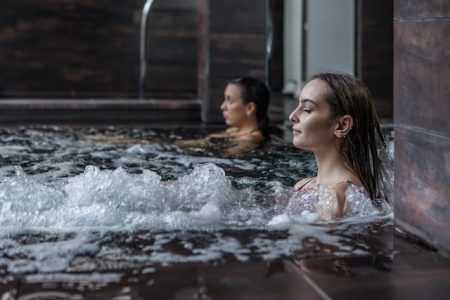
When considering hot tubs and spas, the purpose behind each can significantly influence your choice. Hot tubs are primarily designed for relaxation. They offer a soothing escape from daily stresses, allowing you to unwind after a long day.
On the other hand, spas often focus on therapeutic benefits. Many models incorporate advanced hydrotherapy features aimed at muscle relief and overall wellness. These specialized jets provide targeted massages that can alleviate pain and enhance recovery.
While both options promote relaxation, they cater to different needs. A hot tub might be your go-to for casual enjoyment with friends or family gatherings. In contrast, a spa might appeal more if you’re seeking serious health benefits or rehabilitation support.
Ultimately, understanding how you intend to use these water havens will help guide your decision between a hot tub or spa experience tailored just for you.
Construction and Installation: Portability vs. Permanence
When considering hot tubs and spas, construction and installation play crucial roles. Hot tubs often offer portability, making them an appealing choice for many homeowners. They can be easily moved or set up in various locations.
In contrast, traditional spas typically require a more permanent installation. Built into the ground or designed to stay fixed in one place, these structures may involve significant landscaping work during setup.
The materials used also differ significantly. Portable hot tubs are usually made from lightweight composites or acrylics, while permanent spas often incorporate durable materials like concrete or tile.
This permanence provides added stability and aesthetic appeal but comes with long-term commitment. Whether you prefer the flexibility of relocating your hot tub or relish the idea of an established spa retreat depends on your lifestyle preferences and space considerations.
Jet Systems: Focusing on Power and Variety
When it comes to jet systems, both hot tubs and spas offer a unique experience tailored for relaxation or therapy. Hot tubs typically feature powerful water jets designed for soothing massages that alleviate stress and tension. The variety of jetted options can range from simple pulsating jets to more advanced hydrotherapy features.
Spas, on the other hand, often come equipped with specialized jet configurations aimed at targeted muscle relief. You might find air jets that create bubbly sensations or therapy jets designed specifically for deeper tissue massage. This diversity caters to those seeking specific health benefits beyond mere relaxation.
The choice between these jet systems boils down to personal preference. Whether you desire a gentle caress of bubbles or an intense therapeutic session, understanding the differences in power and variety is key when exploring your options in the hot tub vs spa debate.
Features and Add-ons: Beyond the Basics
When exploring the world of hot tubs and spas, features and add-ons can elevate your experience significantly. From LED lighting to built-in sound systems, these enhancements create an inviting atmosphere for relaxation.
Many modern hot tubs offer customizable jets. Therapy jets provide targeted relief for sore muscles, while air jets deliver a gentler massage experience. You can select models with adjustable water pressure to tailor your soak perfectly.
Consider aromatherapy options as well. Some spas come equipped with specialized compartments for essential oils that disperse calming scents into the water—perfect for unwinding after a long day.
Smart technology is another exciting feature gaining popularity. App controls allow you to monitor temperatures or adjust settings remotely, giving you complete control from anywhere in your home.
With such diverse choices available, personalizing your hot tub or spa becomes an enjoyable journey tailored specifically to your needs.
Temperature Control: Precision and Range

When it comes to temperature control, hot tubs and spas offer different experiences. Hot tubs typically have simpler systems that allow users to set a specific temperature easily. They usually heat water quickly, making them ideal for spontaneous relaxation.
In contrast, spas often feature advanced temperature controls with finer precision. These systems can maintain consistent temperatures even when multiple jets are running or when the water level fluctuates. Users can enjoy customized settings tailored to their therapy needs.
The range of temperatures also varies. While most hot tubs operate between 100°F and 104°F, some spas provide lower options for therapeutic benefits like hydrotherapy sessions aimed at easing muscle tension.
Ultimately, your preference will determine which system suits you better—whether you’re in it for casual enjoyment or targeted relief through precise heating capabilities.
Maintenance Requirements: What It Takes to Keep Them Running
Maintaining a hot tub or spa involves several key tasks to ensure optimal performance and cleanliness. Regular water testing is essential. You’ll need to check pH levels, alkalinity, and sanitizer concentrations frequently.
For hot tubs, cleaning the filters every few weeks is crucial. Clogged filters can affect water circulation and heating efficiency. Spa owners should also consider draining and refilling their unit periodically to maintain fresh water quality.
Chemical balancing isn’t just for pools; it’s vital for spas too. Keeping the right balance prevents algae growth and ensures a safe soak every time.
Additionally, inspecting jets regularly helps identify any clogs or malfunctions early on. Whether it’s air jets in a spa or powerful therapy jets in a hot tub, ensuring they function properly enhances your experience.
Lastly, don’t forget about covering your unit when not in use. This extends its lifespan by protecting it from debris while conserving heat.
Cost Considerations: Initial Investment and Ongoing Expenses
When deciding between a hot tub and a spa, cost is a significant factor to weigh. The initial investment can vary widely based on style and features. Generally, portable hot tubs are more budget-friendly than in-ground spas.
Installation costs should also be considered. Installing an in-ground spa often requires professional assistance, which adds to the overall expense. On the other hand, many hot tubs can be set up without specialized help.
Ongoing expenses include maintenance and utility bills. Hot tubs typically have lower energy costs due to their smaller size and simpler plumbing systems. However, both options will require regular upkeep for cleanliness and performance.
Insurance might also come into play; some policies cover outdoor installations differently based on their classification as either a hot tub or spa. Understanding these financial aspects helps you make an informed decision tailored to your lifestyle.
The “Jacuzzi” Factor: Clearing Up the Brand Name Confusion
When people mention “Jacuzzi,” they often refer to hot tubs or spas in general. However, it’s essential to clarify that Jacuzzi is a brand name, not a category.
Founded in the 1960s by the Jacuzzi brothers, this company revolutionized hydrotherapy with its innovative jetted systems. The term has since become synonymous with luxury relaxation.
While many enjoy their “Jacuzzis,” technically speaking, they may be using any number of jetted tubs available on the market today. Not every hot tub or spa features these jets; some might just offer standard soaking experiences.
Understanding this distinction helps when shopping around. It ensures you know whether you’re looking for a specific brand experience or simply exploring different types of water-based relaxation options tailored to your needs.
Are All Spas Heated? Debunking Common Myths
When it comes to spas, a common misconception is that they are always heated. While many spas do offer heating features, not all of them require warmth for functionality.
Some traditional spa setups focus on soaking in natural elements like mineral-rich water, which might be at ambient temperature. These types can still provide therapeutic benefits without the added heat.
On the flip side, hot tubs are almost exclusively designed for heated water experiences. This key difference highlights how not every spa falls under the same category as a hot tub.
If you’re considering options for relaxation and therapy, it’s crucial to clarify what you want from your experience. Whether it’s soothing warmth or refreshing immersion in cool waters will affect your choice significantly!
Choosing the Right Option for You: Key Considerations
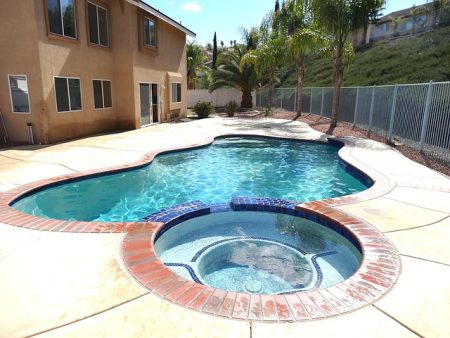
When deciding between a hot tub and a spa, consider your primary goals. Are you seeking relaxation or therapeutic benefits?
Space is another crucial factor. If you’re short on room, a portable hot tub might fit better than an in-ground spa. Think about installation requirements too; some options demand professional setup while others are DIY-friendly.
You should also factor in maintenance needs. Hot tubs typically require less upkeep compared to spas with complex features.
Budget plays a significant role as well. Evaluate the initial cost alongside ongoing expenses like energy consumption and repairs.
Finally, think about who will use it most often. Families may lean towards more robust models that cater to various activities, while couples might prefer something intimate for relaxation sessions at home. Each choice has its unique advantages tailored to different lifestyles and preferences.
Hot Tub or Spa: Which One Fits Your Lifestyle and Needs?
Choosing between a hot tub and a spa ultimately hinges on your personal preferences, lifestyle, and intended use. If relaxation is your primary goal, a hot tub might be the perfect fit. It’s typically more affordable, easier to install, and offers the soothing warmth you crave after a long day.
On the other hand, if you’re looking for therapeutic benefits or advanced features like varying jet types that cater to specific needs—think hydrotherapy—then investing in a spa could be worth it. Spas often come with more sophisticated technology aimed at enhancing wellness through massage therapy.
Consider portability as well; if flexibility is essential for you or if space is limited, portable hot tubs offer convenience without compromising comfort. Meanwhile, an in-ground spa may add value to your property and provide a luxurious aesthetic but requires significant planning and investment.
Evaluate costs carefully too: installation expenses can vary widely between hot tubs and spas. Factor in ongoing maintenance as well since both require upkeep yet differ in complexity.
Assess what resonates with you most: Do you seek casual enjoyment with family? Or are deeper therapeutic sessions more appealing? Understanding these nuances will guide your decision-making process toward selecting either a cozy hot tub or an indulgent spa that matches not just your home but your way of life.