
Imagine stepping into a tranquil oasis, where the water is crystal clear and free from harsh chemicals. The concept of a chemical-free spa isn’t just a dream; it’s becoming an attainable reality for many wellness enthusiasts. As more people prioritize their health and well-being, the demand for non-chemical spas has surged. But what does it mean to have a natural spa experience? Can you really enjoy all the benefits of relaxation without relying on traditional spa chemicals like chlorine or bromine?
In this blog post, we’ll explore how you can create your own serene escape with alternative sanitization methods that are not only gentler on your body but also kinder to our planet. Say goodbye to chemical sensitivities and embrace eco-friendly practices that allow you to unwind completely guilt-free! Dive in as we uncover strategies for maintaining safe, clean water while enjoying the soothing benefits of nature right in your backyard.
- Understanding Traditional Spa Chemicals: The Pros and Cons
- The Drawbacks of Chemical Dependency: Health and Environmental Concerns
- Exploring Natural Spa Sanitization Methods: Alternatives to Chlorine and Bromine
- Ozone Systems: Harnessing the Power of Oxygen
- Mineral Systems: Natural Purification
- Saltwater Systems: A Gentle Approach
- Maintaining a Chemical-Free Spa: Essential Practices
- Water Balancing Without Harsh Chemicals: pH and Alkalinity
- The Benefits of a Chemical-Free Spa: Healthier and More Enjoyable
- Making the Switch: A Step-by-Step Guide
Understanding Traditional Spa Chemicals: The Pros and Cons

Traditional spa chemicals, like chlorine and bromine, have long been standard in maintaining water hygiene. They effectively kill bacteria and other harmful pathogens, ensuring a safe environment for users. This efficiency often gives peace of mind to spa owners.
However, these chemicals come with their downsides. Many people experience skin irritations or respiratory issues due to exposure. The strong odours associated with these substances can also detract from the overall relaxation experience.
Additionally, the environmental impact cannot be overlooked. Chemical runoff can harm local ecosystems when drained improperly. With rising awareness about health risks and ecological consequences, many are seeking alternatives that provide cleanliness without compromising well-being or nature’s integrity.
As you explore solutions for a chemical-free spa experience, understanding both sides of conventional sanitization are crucial for making informed choices about your wellness journey.
The Drawbacks of Chemical Dependency: Health and Environmental Concerns
Chemical dependency in spas may offer immediate sanitation benefits, but the long-term consequences can be troubling. Many spa chemicals, such as chlorine and bromine, have been linked to skin irritations and respiratory issues. Regular exposure might lead to chemical sensitivity over time.
Moreover, these substances can have a significant environmental impact. Once discharged into the water system, they contribute to pollution that affects aquatic life and ecosystems. The runoff from commercial spas often contains high levels of these harsh chemicals.
Choosing a non-chemical spa approach not only fosters better health for individuals but also protects our planet’s natural resources. By eliminating harmful substances from the equation, we create a safer environment for both users and nature alike. This shift encourages sustainable practices that benefit everyone involved while still enjoying the soothing luxury of warm water relaxation.
Exploring Natural Spa Sanitization Methods: Alternatives to Chlorine and Bromine

When it comes to spa sanitization, traditional options like chlorine and bromine are commonly used but not without their drawbacks. Many spa enthusiasts are now seeking more natural alternatives that provide clarity and safety without harsh chemicals.
One popular method is using ozone systems. These harness the power of oxygen to purify water effectively. Ozone acts quickly against bacteria and viruses, allowing for a cleaner experience that’s easier on the skin.
Another alternative is mineral systems. By utilizing naturally occurring minerals, these systems can maintain balanced water while reducing harmful microorganisms. They offer soothing benefits too!
Saltwater systems present another gentle option for those looking to avoid chemical exposure. Salt generates its own chlorine through electrolysis, creating a soft bathing environment that feels luxurious.
These methods show promise in transforming your spa into an eco-friendly haven while ensuring safe spa water free from unwanted side effects associated with conventional chemicals.
Ozone Systems: Harnessing the Power of Oxygen
Ozone systems offer a fascinating alternative for maintaining a chemical-free spa. They harness the power of oxygen to create ozone, a potent oxidizer that effectively sanitizes water.
When ozone is introduced into your spa, it breaks down contaminants and bacteria without leaving harmful residues behind. This natural process not only purifies the water but also enhances its clarity and quality.
Using an ozone system significantly reduces the need for traditional chemicals like chlorine or bromine. You’ll experience softer water that’s gentler on your skin while enjoying peace of mind about what you’re soaking in.
Moreover, these systems are eco-friendly, contributing to sustainability efforts by minimizing chemical usage and preventing potential pollution from harsh substances entering local waterways.
With regular maintenance and proper installation, an ozone system can transform your hot tub experience into one that’s both enjoyable and safe—an inviting oasis without the drawbacks of chemicals.
Mineral Systems: Natural Purification
Mineral systems offer a refreshing alternative to traditional spa chemicals. These systems utilize natural minerals like magnesium and potassium to purify water, providing a soothing experience for users.
One of the key benefits is skin health. Mineral-rich waters can hydrate and nourish, leaving your skin feeling soft and rejuvenated. Unlike harsh chemicals, these minerals promote healing without causing irritation.
Moreover, mineral spas typically require lower maintenance compared to their chemical counterparts. The natural properties help balance pH levels and reduce algae growth. This means less time spent on upkeep and more time enjoying your oasis.
Eco-conscious individuals will also appreciate that mineral systems are friendlier to the environment. They minimize harmful runoff while promoting sustainable practices in spa care.
Choosing a mineral system creates an inviting atmosphere where relaxation meets health benefits—an ideal choice for anyone seeking a non-chemical spa experience.
Saltwater Systems: A Gentle Approach
Saltwater systems offer a refreshing alternative to traditional chemicals. Rather than relying on heavy doses of chlorine, these systems use salt to generate a natural disinfectant.
As the salt dissolves in water, it undergoes electrolysis. This process produces chlorine but at much lower levels than conventional methods. The result is softer water that feels gentler on your skin and eyes.
Many users praise saltwater spas for their low maintenance needs. They require fewer chemical adjustments while keeping the water clean and clear.
This system also minimizes unpleasant odours often associated with standard spa treatments. Instead, you experience a more pleasant environment that enhances relaxation.
Additionally, saltwater can be beneficial for those with skin sensitivities or allergies to harsh chemicals. It provides an eco-friendly approach without compromising hygiene standards in your spa experience.
Maintaining a Chemical-Free Spa: Essential Practices
Maintaining a chemical-free spa requires vigilance and dedication. Start by regularly checking the water’s pH levels, aiming for a balance between 7.2 and 7.8. This ensures comfort while preventing algae growth.
Filtration plays a crucial role in keeping your non-chemical spa clean. Invest in high-quality filters to capture debris and particles effectively.
Regularly inspect your spa for any signs of contamination or buildup around jets or surfaces. A simple scrub with natural cleaners can work wonders without introducing harmful substances.
Consider using natural enzymes that break down organic matter, helping to keep the water clear and fresh without harsh chemicals.
Routine maintenance checks are vital too—clean out skimmers weekly, change filters as needed, and replace ozone systems if required to maintain purification efficiency.
Stay proactive about water quality; this approach not only enhances your experience but also contributes positively to the environment.
Water Balancing Without Harsh Chemicals: pH and Alkalinity
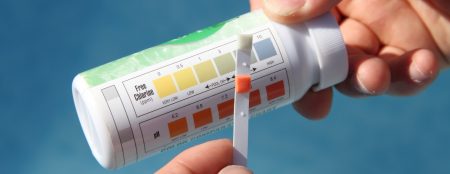
Achieving the perfect water balance in your spa doesn’t have to involve harsh chemicals. pH and alkalinity are key players in maintaining a safe and enjoyable environment.
Start with pH levels, which should ideally fall between 7.2 and 7.8 for optimal comfort. If you find your water too acidic or alkaline, natural additives can help adjust the balance without resorting to chemical treatments.
Alkalinity acts as a buffer for pH stability, keeping fluctuations minimal. Aim for an alkalinity range of 80-120 ppm (parts per million). Baking soda is an excellent natural choice to raise alkalinity when needed.
Regular testing will guide you on necessary adjustments. Test strips or liquid kits provide insight into both pH and alkalinity levels, allowing you to maintain that sought-after spa experience—free from chemical worries while still enjoying crystal-clear water.
The Benefits of a Chemical-Free Spa: Healthier and More Enjoyable
A chemical-free spa experience offers numerous advantages that enhance both health and enjoyment. Without harsh chemicals like chlorine or bromine, your skin feels softer and more nourished. This is especially beneficial for those with sensitive skin or allergies.
Breathing easy is another perk of a non-chemical spa. Clean, natural water means no strong odours or irritants in the air, making it easier to relax fully.
Additionally, eco-friendly practices take centre stage in a chemical-free environment. You’re contributing to a healthier planet while enjoying your soak.
The soothing nature of natural sanitization methods often leads to longer and more enjoyable sessions in the water. You can truly unwind without worrying about irritation from synthetic substances.
Choosing this approach not only promotes personal well-being but also creates an inviting atmosphere for family and friends who share your passion for safe relaxation.
Making the Switch: A Step-by-Step Guide
Making the switch to a chemical-free spa is an exciting journey that prioritizes your health and the environment. Start by assessing your current setup, identifying which chemicals you use, and understanding their potential effects on both your body and the surroundings. The first step is to drain your existing water carefully; ensure proper disposal according to local regulations.
Next, opt for one of the alternative sanitization methods discussed earlier. Whether you choose ozone systems or mineral spa systems, each offers unique benefits while reducing reliance on harmful chemicals. If you’re leaning towards saltwater systems, consider investing in a high-quality salt chlorinator for optimal results.
Once you’ve chosen a method, fill up with fresh water. Be sure to test pH levels regularly as this will help maintain balance without resorting to harsh additives. Regular maintenance is key here—incorporate natural cleaning solutions like vinegar or baking soda into your routine instead of conventional products full of synthetic ingredients.
Educating yourself about water treatment techniques can go a long way too! By exploring options such as UV filtration or utilizing essential oils for scent and relaxation purposes, you can enhance your spa experience naturally.
Lastly, keep monitoring how everything functions together over time: evaluate clarity levels and be vigilant about any signs of imbalance early on. Transitioning towards a non-chemical spa not only nurtures personal well-being but also fosters eco-friendliness—a refreshing choice that resonates with many today!