
Owning a pool is a significant investment. Proper maintenance is essential to ensure that your pool remains in top condition for years to come. Among the most effective tools to help manage a pool’s cleanliness, safety, and efficiency is a pool cover. Pool covers come in various types, each offering distinct advantages, but they also have some potential drawbacks. In this comprehensive guide, we’ll dive deep into the pros and cons of using a pool cover. How it can help with water conservation, energy efficiency, chemical balance, safety, and maintenance. Offering guidance on choosing the right cover for your pool.
What is a Pool Cover?

A pool cover is a protective layer that fits over your pool when it is not in use. Pool covers come in a variety of materials and shapes. Including solid, mesh, automatic, and manual covers, with each designed to suit different pool needs. They can help reduce water evaporation, protect the pool from debris, and increase safety by preventing accidents.
There are two primary types of pool covers: safety covers and solar covers. Safety covers are designed to support weight and protect children and pets from falling into the pool. Solar covers, on the other hand, are typically used to warm the pool water by trapping sunlight, and they are usually made of a thin, transparent material.
In this article, we will explore the advantages and disadvantages of using pool covers. Along with how they can make pool ownership more convenient, cost-effective, and safe.
The Pros of Using a Pool Cover
1. Reduces Water Evaporation
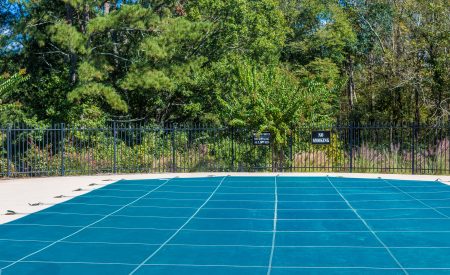
Water evaporation is one of the primary challenges of pool maintenance, particularly in areas with hot, dry climates. Pools without covers can lose up to an inch of water per day, which leads to increased water usage and more frequent refilling. According to the U.S. Department of Energy, a pool cover can reduce evaporation by up to 90% (Energy.gov).
The ability to minimize water evaporation offers multiple benefits. Firstly, it reduces the amount of water that needs to be replaced, helping you conserve water and avoid unnecessary costs. Secondly, because less water evaporates, fewer pool chemicals (such as chlorine and pH adjusters) are lost to the air. This helps maintain the balance of chemicals in the pool for longer periods.
2. Saves Energy and Reduces Heating Costs
Another significant advantage of pool covers is that they help maintain the temperature of the water, which is especially important for heated pools. Without a cover, heat escapes from the water, causing the pool to cool down faster. By maintaining the heat in the water, it will reduce the amount of energy to maintain the desired temperature.
A pool cover acts as an insulating layer, trapping the heat inside the water and preventing it from dissipating into the air. This means that your pool heater will use less energy to maintain the water temperature. This can be a massive saving by reducing on heating costs by up to 50% (Energy.gov). Moreover, during colder months, a pool cover can reduce the need for supplementary heating entirely, further enhancing energy efficiency.
3. Minimizes Cleaning and Maintenance Time
One of the most labour-intensive aspects of pool ownership is cleaning and maintaining the pool. Without a cover, debris like leaves, dirt, and insects can easily enter the pool, requiring constant skimming, vacuuming, and filtering.
A pool cover acts as a barrier, preventing debris from falling into the pool, reducing the time and effort required for cleaning. Pool owners can spend less time scrubbing and more time enjoying their pool. Additionally, fewer debris in the pool means less strain on your filtration system, which can extend the lifespan of your pool’s equipment and reduce maintenance costs.
4. Helps Maintain Chemical Balance
Maintaining the correct chemical balance in a pool is crucial for water clarity, swimmer safety, and preventing the growth of harmful bacteria. Pool covers help preserve the chemical balance of your pool in several ways.
Firstly, they limit the amount of debris that enters the pool, which can disrupt chemical levels. For instance, leaves and organic matter can decompose in the water, altering the pool’s pH levels. Secondly, pool covers prevent sunlight from directly reaching the water. Ultraviolet (UV) rays from the sun can break down chlorine and other sanitizing chemicals, so by shielding the pool from sunlight, a cover helps preserve the effectiveness of the chemicals.
By maintaining the chemical balance more efficiently, pool owners can reduce the frequency of chemical treatments, saving both time and money in the long run.
5. Increases Safety
Safety is a major concern for pool owners, especially those with young children or pets. A pool cover can help prevent accidents by creating a physical barrier between the water and anyone nearby. Safety covers are designed to be strong enough to support the weight of a person or pet. Ensuring that they cannot accidentally fall into the pool when it is not in use.
Many safety covers feature mesh or solid materials that make them both secure and durable. The covers are required to meet safety standards set by organizations such as the American Society for Testing and Materials (ASTM). For those living in areas with children or pets, installing a safety cover is a fantastic way to avoid potentially dangerous situations.
6. Extends Pool Equipment Lifespan
Pool covers can also contribute to the longevity of your pool’s equipment. By preventing debris from entering the pool, your filtration system and pump will not need to work as hard to keep the water clean. This results in less strain on your pool’s filtration system, which can prolong its lifespan and save money on repairs and replacements.
Moreover, pool covers help maintain the pool’s temperature, which reduces the wear and tear on heating systems, pumps, and other pool equipment. By keeping your pool covered when not in use, you can minimize the frequency of costly repairs and maximize the performance of your pool’s equipment.
The Cons of Using a Pool Cover
1. Initial Investment and Installation Costs
Pool covers provide long-term savings and benefits, but they do require an initial investment. Safety covers, for example, can be costly, ranging from a few hundred to several thousand dollars, depending on the type and size of the pool. Automatic covers, which open and close at the push of a button, are usually the priciest option.
Beyond the purchase price, installation costs can also add up. Some covers need professional installation, which increases the overall expense. For pool owners on a tight budget, the initial cost may be a key consideration.
2. Maintenance and Cleaning of the Cover
Pool covers help reduce the amount of debris in your pool, but they can still gather dirt and debris, especially if left uncovered for long periods. This means regular cleaning and upkeep are necessary to keep the cover in good shape.
For solid covers, dirt, leaves, and rainwater can collect on top, potentially leading to mold or mildew growth if not cleaned properly. Mesh covers, on the other hand, can trap debris underneath, which may require cleaning to keep the pool water clear and clean.
While this maintenance may not be a major concern for most pool owners, it’s something to consider when deciding if a pool cover is right for you.
3. Potential for Pool Damage if Not Properly Used
Using a pool cover incorrectly can harm both the pool and the cover. For instance, if the cover isn’t securely fastened, strong winds might blow it off or cause damage to the pool. Likewise, if the cover isn’t cleaned regularly, debris trapped underneath can harm the pool’s surface.
Additionally, leaving the pool covered for long stretches without proper care can upset the water chemistry, especially if debris starts to decompose in the water. To avoid these problems, it’s important to follow the manufacturer’s instructions and regularly inspect both the cover and the pool.
Conclusion: Is a Pool Cover Worth It?
A pool cover is a smart choice that brings many benefits. It reduces water loss, saves energy, cuts down on cleaning, keeps chemicals balanced, and improves safety. If you want to make pool care easier and cheaper, a pool cover is a great option.
However, it’s important to think about the cost and upkeep before buying one. While pool covers can be expensive at first, they usually save money in the long run. They save time, conserve water, and protect your pool and equipment.
Ultimately, whether a pool cover is right for you depends on your needs, location, and pool type. With proper care, a pool cover can help you enjoy your pool more and make it last longer.
For more information on pool care and the benefits of pool covers, visit our pool accessors page or Energy.gov – Pool Covers.