

When it comes to enjoying your spa, understanding the ideal spa temperature is key to maximizing comfort and relaxation. The right temperature not only enhances your experience but also provides numerous spa health benefits, such as muscle recovery and pain relief. This article will explore spa temperature recommendations to help you find the perfect balance for your needs.
Maintaining the correct hot tub temperature is crucial for both health and safety. Too high or too low can diminish the therapeutic effects and even pose risks. We’ll provide you with tips on how to set the temperature of a hot tub, ensuring a safe and enjoyable soak every time. Additionally, we’ll discuss ambient temperatures and how they affect your spa experience, as well as best practices for keeping your spa consistently warm.
Whether you’re seeking relaxation after a long day or looking to relieve sore muscles, knowing how to achieve and maintain the ideal spa temperature can transform your wellness routine. Read on to discover everything you need to know about creating the perfect spa environment for ultimate relaxation and therapeutic benefits.
What is the ideal temperature for a spa?
Finding the ideal temperature for a spa is crucial for maximizing your relaxation experience while ensuring your health and safety. According to the Health and Wellness Blog, the best temperature for hot tubs falls between 37.8°C to 40°C (100°F and 104°F). This range not only enhances comfort but also promotes significant spa health benefits, such as improved circulation, muscle recovery, and stress relief. Staying within this spa temperature range allows users to enjoy therapeutic spa temperatures that can alleviate pain and soothe sore muscles.
However, failing to adhere to these temperature guidelines can lead to potential health risks. Temperatures above 40°C (104°F) can lead to overheating and dehydration. This is especially risky for vulnerable groups. Pregnant women and those with specific health conditions should be cautious. Dizziness is also a common symptom of excessive heat exposure.Conversely, a lower hot tub temperature, below 40°C (100°F), may not deliver the desired therapeutic effects, leading to a less satisfying experience.
For optimal benefits, it’s essential to monitor and maintain the ideal hot tub temperature consistently. Regularly checking the temperature not only enhances your spa experience but also ensures safety. Remember that a well-regulated temperature is vital for enjoying the many benefits of your spa. By keeping these guidelines in mind, you can create a relaxing oasis that promotes wellness and rejuvenation, ensuring you reap all the benefits of your spa investment. For more detailed insights, visit Healthy Spa Living.
Health Benefits of Spa Use
Using a spa offers extensive health benefits. These advantages include both physical and mental improvements. Spa sessions can enhance your overall well-being. Warm water spas provide therapeutic benefits that include stress relief, improved sleep, and even weight loss. Here are some key benefits:
1. Stress Relief: Soaking in a hot tub promotes relaxation by reducing muscle tension and stimulating the release of endorphins. The ideal hot tub temperature is typically between 100°F and 104°F. This range maximizes stress-relieving effects. It makes hot tubs excellent for reducing daily anxiety.
2. Improved Sleep: The calming properties of warm water can significantly enhance sleep quality. Soaking in a hot tub raises body temperature, and the cooling effect afterward signals the body that it’s time to rest, making it easier to fall asleep and stay asleep.
3. Weight Loss: Regular hot tub use can contribute to weight loss by increasing heart rate, mimicking the effects of moderate exercise. This can help burn calories while you relax, supporting your weight management goals.
4. Removal of Toxins: The heat from a hot tub promotes sweating, which aids in the removal of toxins from the body. This detoxification process can enhance skin health and overall vitality.
5. Improved Insulin Sensitivity: Soaking in warm water can help improve insulin sensitivity, which is beneficial for individuals managing blood sugar levels. This metabolic boost can contribute to better overall health.
6. Pain Relief: The analgesic effects of warm water provide significant pain relief, particularly for those with chronic pain conditions. The therapeutic benefits of warm water spas can help alleviate soreness and stiffness, enhancing comfort.
7. Arthritis Relief: Maintaining a spa temperature for pain relief is essential for those with arthritis. The best hot tub temperature for arthritis typically ranges from 100°F to 102°F, which can reduce inflammation and improve joint mobility.
8. Enhanced Circulation: The heat from a hot tub causes blood vessels to dilate, improving blood flow and circulation. This enhanced circulation delivers essential nutrients and oxygen to tissues, aiding in muscle recovery and overall health.
9. Mood Enhancement: Regular use of a hot tub can lead to improved mental well-being, enhancing mood and reducing anxiety through a combination of relaxation and physical comfort.
Incorporating regular spa use into your lifestyle can yield these valuable health benefits, promoting both physical and mental wellness.
Recommended Spa temperature for relaxation and recovery?
The recommended spa temperature for relaxation typically ranges from 37.8°C to 40°C (100°F and 104°F, creating an ideal environment for unwinding and rejuvenation. This therapeutic temperature range offers numerous benefits, significantly enhancing the relaxation experience. Warm water spas provide therapeutic benefits that include improved sleep, reduced muscle tension, and increased blood circulation. Research shows that soaking in a hot tub at the ideal hot tub temperature not only aids in relaxation but also has profound effects on stress relief. The gentle heat helps to soothe the body and mind, allowing for deeper relaxation and a greater sense of well-being.
However, it’s essential to be mindful of how spa temperature affects stress relief and overall health. Extended exposure to high temperatures can lead to overheating, dehydration, and increased heart rates, which may pose health risks, especially for individuals with pre-existing conditions. For instance, those with cardiovascular issues should exercise caution and consult a healthcare professional before regular use. Additionally, using a hot tub at excessively high temperatures can exacerbate certain health concerns, such as arthritis. While the best hot tub temperature for arthritis is typically around 37.8°C to 38°C (100°F and 102°F), maintaining a consistent, safe temperature is key for achieving pain relief without adverse effects.
Daily use of a hot tub offers numerous health benefits, including enhanced relaxation and stress reduction, but moderation is crucial. Understanding the balance of temperature and duration can help maximize these benefits while minimizing risks. By adhering to recommended spa temperatures, you can create a safe and therapeutic experience that supports both your mental and physical health.
Ambient Spa Temperatures
Ambient spa temperatures play a crucial role in maintaining optimal water temperatures and enhancing your overall spa experience. The temperature of the surrounding environment can significantly affect how quickly your spa water heats up and cools down. For instance, during colder months, it may take longer for your hot tub to reach the ideal temperature, typically between 37.8°C to 40°C (100°F and 104°F), while warmer weather can help maintain heat more efficiently.
It’s essential to consider factors like wind, shade, and humidity, as they can influence water temperatures and heating efficiency. Additionally, using a spa cover when the hot tub is not in use helps to retain heat and reduce energy costs. Understanding ambient conditions not only ensures a comfortable soak but also optimizes the therapeutic benefits of warm water spas. By keeping these factors in mind, you can enhance your relaxation and enjoyment while promoting energy efficiency.
How to set the temperature of a Spa?
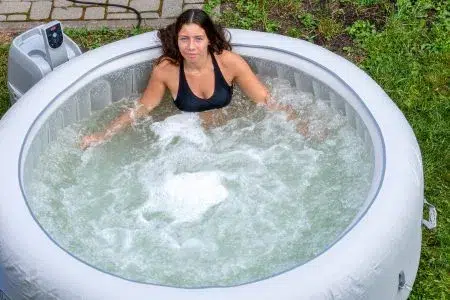
Setting the temperature of your spa is essential for achieving the perfect soak, and it can vary depending on the model you own. Most modern hot tubs come equipped with user-friendly digital control panels. For instance, in a Hot Spring spa, you simply press the “Temp” button on the control panel to access the temperature settings. You can then adjust the temperature using the up or down arrows, with the recommended range typically between 37.8°C to 40°C (100°F and 104°F) for optimal relaxation.
If you have a Jacuzzi model, you may find a slightly different interface. Many Jacuzzi spas feature a “Set” button that allows you to customize your temperature easily. Additionally, some models come with programmable settings, enabling you to pre-set your desired temperature for specific times.
For older models, the process might involve a manual dial. For the Coleman spas, simply turn the dial to the desired temperature, keeping in mind the ideal range for a soothing experience.
Furthermore, many contemporary spas now offer smart technology. Brands like Sundance Spas provide smartphone apps that allow you to adjust the temperature remotely, giving you control even when you’re not at home. Always refer to your specific model’s user manual for detailed instructions, as temperature settings can differ. By understanding how to set the temperature correctly, you can ensure a consistently enjoyable and therapeutic spa experience.
Duration of Spa Use for Kids, Adults and Seniors
When enjoying a spa, it’s essential to consider safe duration and temperature guidelines for different age groups, including kids, adults, and seniors. Here’s a breakdown of recommendations:
Children: For kids, the safe spa temperature should be kept between 35°C -37.8°C ( 95°F and 100°F). Children have a lower tolerance for heat, so they should limit their soak to 10-15 minutes. Always supervise them closely, ensuring they are comfortable and hydrated.
Adults: Adults can typically enjoy a spa temperature between 37.8°C to 40°C (100°F and 104°F). The safe duration for adults is generally around 20-30 minutes. It’s crucial to listen to your body; if you start feeling lightheaded or dizzy, it’s best to exit the hot tub and cool down.
Seniors: Older adults should be particularly cautious. The recommended spa temperature is between 36.6°C -38.8°C (98°F and 102°F). Seniors should limit their soak to about 15-20 minutes, as they may have increased sensitivity to heat and dehydration risks. It’s advisable for seniors to consult with a healthcare provider before regular use, especially if they have pre-existing health conditions.
Maintaining proper safety measures ensures everyone can enjoy the therapeutic benefits of warm water spas while minimizing risks. Always keep hydrated and monitor how each individual feels during their soak for a safe and enjoyable experience.
Can Exceeding Spa Temperature Cause Damage?
Yes, excessively hot water can damage your spa. Most spas are designed to operate optimally between 100°F and 104°F. Temperatures above this range can strain components, such as the heater and pump, potentially leading to malfunctions. Prolonged exposure to high temperatures—typically over a few hours—can cause materials like seals and gaskets to degrade, resulting in leaks or other issues.
To prevent damage, regular maintenance is key. First, monitor the water temperature regularly using a reliable thermometer. If you need to heat the water for a short period, ensure it doesn’t exceed the recommended limits. Additionally, check and maintain the spa’s pH and alkalinity levels, as imbalanced water can also contribute to corrosion and wear.
Cleaning filters and ensuring proper water circulation will help keep the spa functioning efficiently. Finally, consider using a spa cover to retain heat while preventing debris from entering the water. By adhering to these maintenance tips and monitoring the water temperature closely, you can enjoy your spa without the risk of damage.
Conclusion
In conclusion, understanding the ideal temperature for a spa is essential for maximizing comfort and relaxation while reaping the numerous spa health benefits. With spa temperature recommendations typically ranging from 37.8°C to 40°C (100°F and 104°F) you can create an environment that promotes therapeutic use, such as muscle recovery and pain relief. It’s crucial to consider age-specific guidelines: children should enjoy lower temperatures and shorter soaks, while seniors may require careful monitoring to ensure safety and comfort.
Knowing how to set the temperature of a hot tub is equally important. Most modern spas feature user-friendly controls that allow for easy adjustments to achieve the perfect soak. Regularly checking and maintaining the ideal spa temperature not only enhances your overall experience but also safeguards your health.
By following these guidelines, you can enjoy a rejuvenating spa experience that supports relaxation and well-being. Whether you’re seeking stress relief, improved sleep, or muscle recovery, adhering to recommended temperatures ensures that you and your loved ones can indulge safely and effectively in the soothing benefits of warm water. Embrace the relaxing ritual of spa soaking, and enjoy the numerous health advantages it has to offer.